

Maximizing Efficiency: Planning Your Warehouse Layout with Small Electric Pallet Trucks
Jan 10,2026
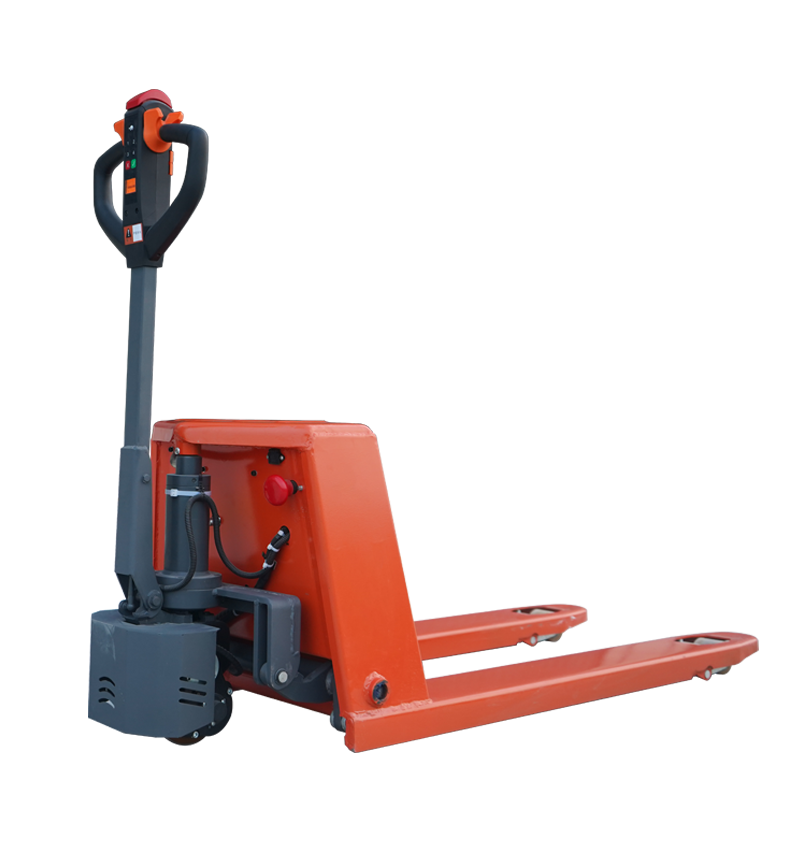
Maximizing Efficiency: Planning Your Warehouse Layout with Small Electric Pallet Trucks
Table of Contents
- 1. Introduction to Warehouse Layout Planning
- 2. Importance of Optimizing Warehouse Layout
- 3. Understanding Small Electric Pallet Trucks
- 4. Benefits of Using Small Electric Pallet Trucks
- 5. Key Considerations for Warehouse Layout
- 6. Effective Design Tips for Warehouse Layout
- 7. Safety Considerations in Warehouse Planning
- 8. Frequently Asked Questions (FAQs)
- 9. Conclusion
1. Introduction to Warehouse Layout Planning
In the fast-paced world of logistics and supply chain management, an efficiently planned warehouse layout is crucial for maximizing productivity. The **use of small electric pallet trucks** has revolutionized the way goods are moved within warehouses, making it imperative to design a layout that accommodates their unique features. This article delves into the essential aspects of planning a warehouse layout, focusing on how to effectively incorporate small electric pallet trucks to enhance operational efficiency.
2. Importance of Optimizing Warehouse Layout
A well-optimized warehouse layout reduces operational costs, increases safety, and enhances workflow efficiency. Poorly designed layouts can lead to congestion, increased handling times, and ultimately, lower productivity. By understanding the importance of layout optimization, warehouse managers can create environments that support the safe and efficient movement of goods.
2.1 Impact on Productivity
A thoughtfully designed warehouse layout facilitates smoother workflows and faster product retrieval. The strategic placement of storage areas, workstations, and loading docks minimizes travel time for workers and equipment, directly impacting overall productivity.
2.2 Cost Efficiency
Reducing operational costs is a primary goal for any warehouse. An optimized layout maximizes the use of available space, reduces equipment wear and tear, and minimizes energy consumption, ultimately leading to significant cost savings.
3. Understanding Small Electric Pallet Trucks
Small electric pallet trucks are versatile tools used for transporting goods within warehouses. They are designed for maneuverability and efficiency, allowing operators to move heavy loads with ease. Understanding their specifications and capabilities is crucial when designing a warehouse layout.
3.1 Key Features of Small Electric Pallet Trucks
These trucks typically have a compact design, strong lifting capabilities, and are battery-operated, making them suitable for indoor use. Features such as adjustable forks and tight turning radii enhance their usability in confined spaces.
3.2 Types of Small Electric Pallet Trucks
Warehouse managers should be aware of various types of small electric pallet trucks, including walk-behind models and rider models. Each type has its own set of advantages and limitations that should be considered during the layout planning phase.
4. Benefits of Using Small Electric Pallet Trucks
Incorporating small electric pallet trucks into warehouse operations offers numerous advantages.
4.1 Enhanced Maneuverability
These trucks are designed to navigate tight spaces, making them ideal for warehouses with limited aisle widths. Their agility allows for efficient product movement, even in crowded environments.
4.2 Increased Worker Safety
With features such as low-profile designs and ergonomic controls, small electric pallet trucks reduce the risk of injury for operators, promoting a safer working environment.
4.3 Improved Efficiency
By enabling quicker transportation of goods, these trucks can significantly enhance operational efficiency. This is especially important in high-demand warehouse settings where time is of the essence.
5. Key Considerations for Warehouse Layout
When planning your warehouse layout with small electric pallet trucks in mind, several factors must be taken into account.
5.1 Space Allocation
Allocate sufficient space for aisles, storage areas, and workstations to accommodate the maneuverability of electric pallet trucks. A minimum aisle width of 3 to 4 feet is recommended to facilitate safe passage.
5.2 Workflow Optimization
Design your layout to support an efficient workflow. Group similar items together and implement a logical flow from receiving to storage to shipping, minimizing unnecessary travel distances for operators.
5.3 Storage Solutions
Choose appropriate storage solutions, such as pallet racking or shelving, that align with the size and weight capacities of your electric pallet trucks. Ensure that the heights of storage systems do not impede the safe operation of the equipment.
6. Effective Design Tips for Warehouse Layout
Implementing effective design tips can greatly enhance the functionality of your warehouse.
6.1 Utilize Vertical Space
Maximize your storage capacity by utilizing vertical space. Tall racking systems can accommodate more goods without expanding the warehouse footprint.
6.2 Implement a Modular Design
A modular design allows for flexibility in operations. If your business scales up or down, you can easily adapt the layout without significant modifications.
6.3 Incorporate Technology
Integrating technology, such as warehouse management systems (WMS), can streamline operations and improve inventory tracking, further enhancing the efficiency of your layout.
7. Safety Considerations in Warehouse Planning
Safety must be a top priority when designing a warehouse layout. It is essential to create an environment that minimizes risks and adheres to safety regulations.
7.1 Training Employees
Proper training for operators of small electric pallet trucks is crucial. Ensure that all employees are familiar with safe operating procedures and the functionalities of the equipment.
7.2 Designated Walkways
Establish designated pedestrian walkways to separate foot traffic from equipment movement. This reduces the likelihood of accidents and promotes a safer workplace.
7.3 Regular Maintenance
Routine maintenance checks on equipment and facilities can prevent accidents and ensure a safe working environment. Establish a schedule for regular inspections and repairs.
8. Frequently Asked Questions (FAQs)
8.1 What are the advantages of using small electric pallet trucks in warehouses?
Small electric pallet trucks improve efficiency, enhance worker safety, and allow for better maneuverability in confined spaces.
8.2 How do I determine the right aisle width for my warehouse?
Aisle widths should be a minimum of 3 to 4 feet to allow safe passage for small electric pallet trucks.
8.3 Can I use small electric pallet trucks outdoors?
Most small electric pallet trucks are designed for indoor use. If outdoor use is necessary, ensure you select models specifically designed for such environments.
8.4 How do I train employees to use small electric pallet trucks safely?
Provide comprehensive training programs that cover equipment operation, safety protocols, and maintenance procedures.
8.5 What storage solutions work best with small electric pallet trucks?
Pallet racking and shelving systems that accommodate the size and weight of your products are ideal for use with small electric pallet trucks.
9. Conclusion
Planning an efficient warehouse layout with small electric pallet trucks in mind is essential for maximizing productivity and ensuring safety. By understanding the unique features of these trucks, considering key layout factors, and implementing best practices in design, warehouse managers can create environments that streamline operations and enhance overall efficiency. As the logistics industry continues to evolve, investing time and resources in warehouse layout planning will yield significant long-term benefits.
Contact Us

Professional forklift manufacturer
Products Hotline:+86-19203299111
WhatsApp:+8613582499666
Email:sales@good-forklift.com
Wechat:+86-19203299111
Mobile website