

Unlocking Efficiency: How Electric Forklift Stackers Optimize Your Warehouse Layout
Jan 08,2026
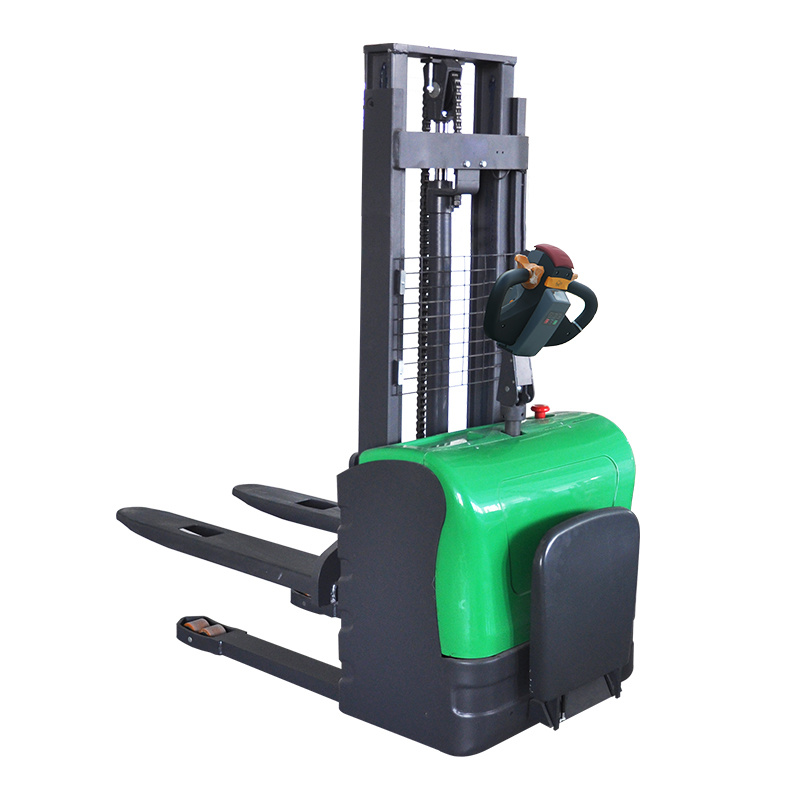
Unlocking Efficiency: How Electric Forklift Stackers Optimize Your Warehouse Layout
Table of Contents
- 1. Introduction to Electric Forklift Stackers
- 2. The Importance of Warehouse Layout in Logistics
- 3. Benefits of Using Electric Forklift Stackers
- 4. Designing an Efficient Warehouse Layout
- 5. Best Practices for Implementing Electric Forklift Stackers
- 6. Key Considerations When Choosing Electric Forklift Stackers
- 7. Case Studies: Successful Warehouse Layouts
- 8. Frequently Asked Questions
- 9. Conclusion
1. Introduction to Electric Forklift Stackers
Electric forklift stackers have revolutionized the warehousing and logistics industry. These versatile machines combine the functionalities of a traditional forklift with the compact size needed for tight spaces. They are designed to lift, stack, and transport goods efficiently, making them an ideal choice for various warehouse operations. As businesses strive for greater efficiency in their supply chains, understanding how to effectively integrate electric forklift stackers into warehouse designs is crucial.
2. The Importance of Warehouse Layout in Logistics
The layout of a warehouse significantly impacts productivity, safety, and overall operational efficiency. A well-optimized warehouse layout allows for streamlined processes, reduces handling times, and minimizes the risk of accidents. Factors such as product placement, aisle spacing, and equipment selection all contribute to the effectiveness of warehouse operations. When incorporating electric forklift stackers, it is essential to design a layout that maximizes their strengths.
3. Benefits of Using Electric Forklift Stackers
Electric forklift stackers offer several advantages that contribute to an optimized warehouse layout:
3.1 Enhanced Maneuverability
Electric stackers are typically more compact than traditional forklifts, allowing them to navigate narrow aisles and tight spaces effectively. This capability enables warehouses to make the most of their vertical storage potential.
3.2 Increased Efficiency
With faster lifting and lowering times, electric stackers improve loading and unloading efficiency. This speed translates into reduced cycle times and increased throughput, which is essential in high-demand environments.
3.3 Cost-Effectiveness
Electric stackers tend to have lower operating costs than their gas-powered counterparts. They require less maintenance, and the cost of electricity is often less than fuel, resulting in significant savings over time.
3.4 Environmentally Friendly
Electric forklift stackers produce zero emissions, making them a more environmentally friendly choice. This aspect is increasingly important as businesses seek to meet sustainability goals and reduce their carbon footprints.
4. Designing an Efficient Warehouse Layout
Designing an efficient warehouse layout involves careful planning and consideration of various factors, including product flow, storage systems, and equipment placement.
4.1 Effective Space Utilization
Maximizing space utilization is one of the primary goals of warehouse design. Electric forklift stackers can be used to create multi-level storage systems, allowing warehouses to store more products in a smaller area. Strategies include:
- **Vertical Storage**: Utilize high shelving units to take advantage of vertical space.
- **Narrow Aisles**: Implement narrow aisle designs to allow for increased storage density while accommodating the maneuverability of electric stackers.
- **Dynamic Storage Systems**: Integrate pallet racking systems that can be adjusted based on inventory levels, ensuring optimal space usage.
4.2 Workflow Optimization
Optimizing workflow is essential for improving operational efficiency. Consider the following strategies:
- **Designated Work Zones**: Establish specific areas for receiving, storing, and shipping goods to reduce travel time for electric stackers.
- **Clear Pathways**: Ensure that pathways are kept clear to prevent congestion and allow for smooth operations.
- **Cross-Docking Strategies**: Implement cross-docking techniques to minimize handling and expedite product movement.
5. Best Practices for Implementing Electric Forklift Stackers
To maximize the benefits of electric forklift stackers, businesses should consider best practices, including:
- **Training and Certification**: Ensure operators are adequately trained and certified to use electric stackers safely and efficiently.
- **Regular Maintenance**: Implement a routine maintenance schedule to keep stackers in optimal condition, minimizing downtime.
- **Technology Integration**: Utilize warehouse management systems (WMS) to track inventory and optimize the use of electric stackers.
6. Key Considerations When Choosing Electric Forklift Stackers
When selecting electric forklift stackers for your warehouse, several factors should be taken into account:
6.1 Load Capacity
Choose stackers that can handle the weight of your products without compromising safety.
6.2 Reach Height
Consider the maximum reach height required for your storage systems to ensure stackers can effectively operate in your warehouse.
6.3 Battery Life
Evaluate battery life and charging times to ensure that stackers can operate efficiently throughout your work shifts without interruption.
7. Case Studies: Successful Warehouse Layouts
Examining successful implementations of electric forklift stackers can provide valuable insights. Here are two case studies demonstrating effective warehouse layout optimization:
7.1 Case Study 1: A Retail Distribution Center
A major retail distribution center optimized its layout by integrating electric stackers into their operations. By implementing narrow aisles and vertical storage systems, they increased storage capacity by 30%. The result was a significant reduction in order fulfillment time.
7.2 Case Study 2: An E-commerce Fulfillment Center
An e-commerce fulfillment center adopted electric stackers to improve their workflow. They established designated work zones and implemented cross-docking strategies, leading to a 25% improvement in shipping efficiency.
8. Frequently Asked Questions
8.1 What are electric forklift stackers used for?
Electric forklift stackers are used to lift, stack, and transport goods within warehouses, enhancing efficiency in various operations.
8.2 How do I choose the right electric stacker for my warehouse?
Consider factors such as load capacity, reach height, battery life, and the specific needs of your warehouse operations.
8.3 Are electric stackers suitable for outdoor use?
While electric stackers are primarily designed for indoor use, some models can be utilized outdoors on smooth surfaces.
8.4 How often should electric stackers be maintained?
Regular maintenance should be conducted according to the manufacturer's recommendations, typically every 100 hours of operation or monthly.
8.5 Can electric stackers help reduce operational costs?
Yes, electric stackers generally have lower operating costs compared to traditional forklifts, contributing to long-term savings in warehouse operations.
9. Conclusion
In conclusion, optimizing your warehouse layout with electric forklift stackers can significantly enhance operational efficiency, productivity, and safety. By leveraging the unique advantages that electric stackers offer—such as maneuverability, cost-effectiveness, and environmental benefits—businesses can create streamlined warehouse environments that meet the demands of modern logistics. Careful design considerations, best practices, and real-world case studies can guide businesses in implementing electric stackers effectively, ultimately leading to improved performance and increased profitability in their operations.
Contact Us

Professional forklift manufacturer
Products Hotline:+86-19203299111
WhatsApp:+8613582499666
Email:sales@good-forklift.com
Wechat:+86-19203299111
Mobile website