

Electric Portable Forklifts: Tailored Solutions for Your Business's Unique Requirements
Jan 06,2026
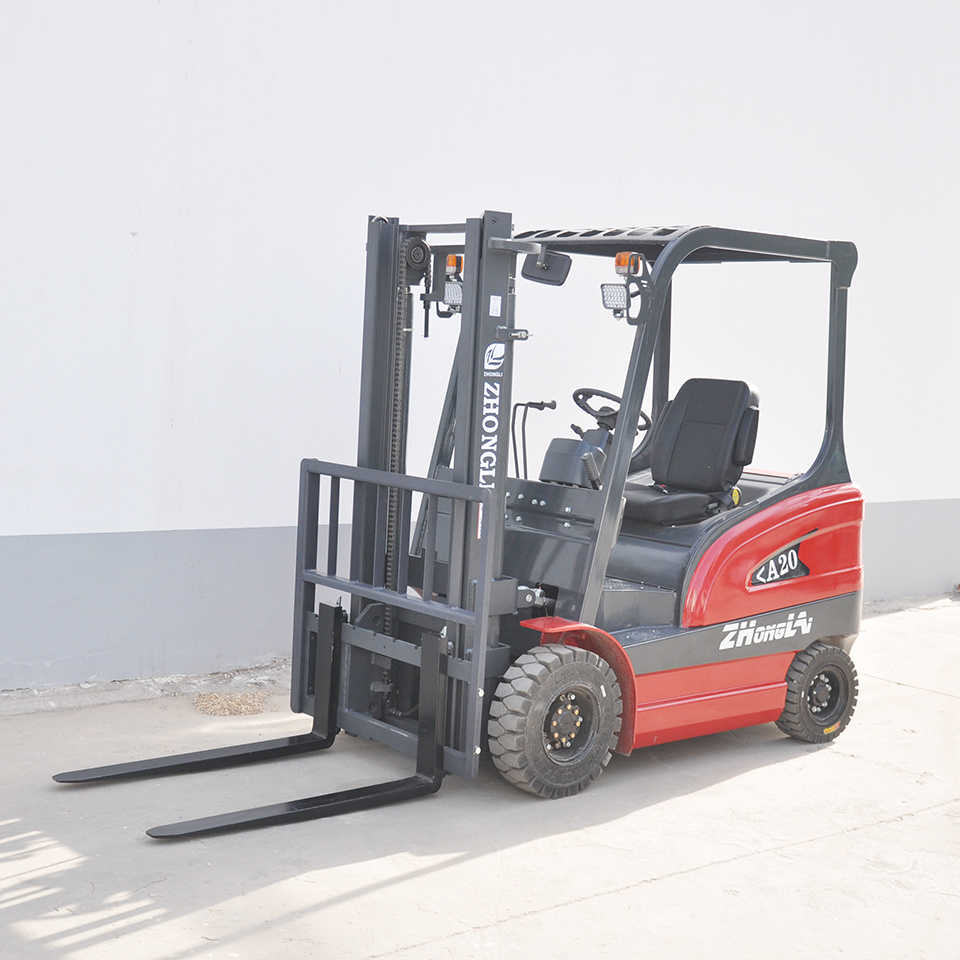
Electric Portable Forklifts: Meeting Your Business's Unique Needs
Table of Contents
- 1. Introduction to Electric Portable Forklifts
- 2. Advantages of Electric Portable Forklifts
- 3. Key Features of Electric Portable Forklifts
- 4. Applications of Electric Portable Forklifts
- 4.1 Ideal for Warehouse Operations
- 4.2 Suitable for Construction Sites
- 4.3 Effective in Retail Environments
- 5. Choosing the Right Electric Portable Forklift for Your Business
- 6. Maintenance and Care for Electric Portable Forklifts
- 7. Frequently Asked Questions
- 8. Conclusion
1. Introduction to Electric Portable Forklifts
Electric portable forklifts represent a significant advancement in the material handling industry. They are designed to provide **versatility and efficiency** in transporting goods within various environments, from warehouses to construction sites. These forklifts operate on electric power, which offers a quieter, cleaner alternative to traditional gas-powered forklifts. With high maneuverability and compact designs, electric portable forklifts are increasingly becoming the preferred choice for businesses looking to optimize their operations.
2. Advantages of Electric Portable Forklifts
2.1 Environmental Benefits
One of the most compelling reasons to opt for electric portable forklifts is their **environmental sustainability**. Unlike their gasoline or diesel counterparts, electric forklifts produce zero emissions during use, which contributes to a cleaner and healthier work environment. This characteristic is particularly advantageous for businesses operating indoors or in urban settings where air quality is a concern.
2.2 Cost Efficiency
Though the initial investment in electric portable forklifts may be higher than traditional forklifts, their **operational costs** are significantly lower. Electric models require less maintenance, as they have fewer moving parts and do not necessitate regular oil changes. Additionally, the cost of electricity is generally less than that of fossil fuels, leading to reduced overall operating expenses.
2.3 Improved Safety Features
Safety is paramount in any operational setting. Electric portable forklifts are equipped with advanced safety features such as **automatic braking systems, stability controls,** and **visibility enhancements**, ensuring that operators can work confidently. The reduction in noise levels also contributes to a safer working environment, allowing operators to communicate more effectively.
3. Key Features of Electric Portable Forklifts
3.1 Advanced Battery Technology
The heart of any electric forklift is its battery. Many modern electric portable forklifts utilize **lithium-ion batteries**, which provide longer operating times, faster charging, and extended lifespans compared to traditional lead-acid batteries. This advancement allows for **greater productivity**, as forklifts can be charged during breaks, minimizing downtime.
3.2 Compact and Maneuverable Design
Electric portable forklifts are designed for tight spaces and high maneuverability. Their **compact designs** enable them to operate efficiently in congested areas, making them ideal for warehouses with narrow aisles or crowded retail environments. This agility translates into improved operational efficiency, allowing businesses to maximize their storage and floor space.
3.3 User-Friendly Controls
An important aspect of electric portable forklifts is their intuitive control systems. Many models feature **ergonomically designed controls** that provide operators with a comfortable and straightforward operating experience. This user-friendly design helps reduce fatigue and enhances productivity, as operators can easily navigate their tasks without unnecessary strain.
4. Applications of Electric Portable Forklifts
4.1 Ideal for Warehouse Operations
In warehouses, efficient material handling is crucial. Electric portable forklifts excel in this environment due to their ability to navigate tight spaces and handle various loads. They are particularly effective for **loading and unloading trucks**, restocking shelves, and moving materials between different areas.
4.2 Suitable for Construction Sites
While traditionally dominated by gas-powered models, electric portable forklifts are becoming increasingly popular on construction sites. Their **quiet operation** allows for work to continue without disturbing nearby residential areas, and their ability to handle heavy loads makes them a valuable asset on job sites.
4.3 Effective in Retail Environments
In retail settings, electric portable forklifts are indispensable for replenishing stock and moving merchandise. Their **compact design** makes them ideal for navigating aisles, while their environmentally friendly operation aligns with the values of many modern consumers.
5. Choosing the Right Electric Portable Forklift for Your Business
Selecting the right electric portable forklift involves evaluating several factors:
- **Load Capacity:** Determine the maximum weight your forklift needs to lift regularly.
- **Lift Height:** Assess the height at which materials must be stacked or retrieved.
- **Floor Conditions:** Consider the surfaces the forklift will operate on, as this affects wheel type and design.
- **Battery Type:** Decide between lead-acid and lithium-ion batteries based on your operational needs.
- **Maneuverability Needs:** Evaluate the space where the forklift will be used to ensure proper fit and function.
By analyzing these criteria, businesses can choose the most suitable electric portable forklift that aligns with their specific requirements.
6. Maintenance and Care for Electric Portable Forklifts
Proper maintenance is essential for ensuring the longevity and efficiency of electric portable forklifts. Key maintenance practices include:
- **Regular Battery Checks:** Monitor battery health and charge levels to avoid unexpected outages.
- **Routine Inspections:** Conduct periodic inspections to check for wear and tear, particularly on tires and hydraulic systems.
- **Cleanliness:** Keep the forklift clean to prevent debris buildup, which can hinder performance.
- **Professional Servicing:** Schedule professional maintenance annually to address any potential issues before they escalate.
Adopting these maintenance practices can enhance the performance and lifespan of electric portable forklifts.
7. Frequently Asked Questions
1. What is the average lifespan of an electric portable forklift?
The average lifespan of an electric portable forklift ranges from 5 to 10 years, depending on usage and maintenance practices.
2. Can electric forklifts be used outdoors?
Yes, electric forklifts can be used outdoors; however, it's essential to choose models designed for outdoor conditions, as they may have different features than indoor-only models.
3. How do I determine the right size forklift for my business?
Evaluate your specific needs, including load capacity, lift height, and space constraints, to determine the appropriate size of forklift required.
4. Are electric portable forklifts more expensive than gas-powered models?
Electric portable forklifts typically have a higher initial cost, but they offer lower operational and maintenance costs over time, making them cost-effective in the long run.
5. How often should I charge my electric forklift?
Charging frequency depends on usage; however, it’s advisable to charge the forklift after each shift to ensure optimal performance and battery lifespan.
8. Conclusion
Electric portable forklifts provide businesses with an efficient, environmentally friendly, and cost-effective solution for their material handling needs. With their advanced technology, safety features, and versatility, these forklifts are well-suited to meet the unique requirements of various industries. By carefully selecting the right model and adhering to maintenance best practices, businesses can enhance productivity and create a safer work environment. Investing in electric portable forklifts is not merely a choice; it’s a strategic decision that can drive operational success and sustainability for years to come.
Contact Us

Professional forklift manufacturer
Products Hotline:+86-19203299111
WhatsApp:+8613582499666
Email:sales@good-forklift.com
Wechat:+86-19203299111
Mobile website