

Electric Forklift Stackers: A Sustainable Choice for Your Warehouse
Jan 02,2026
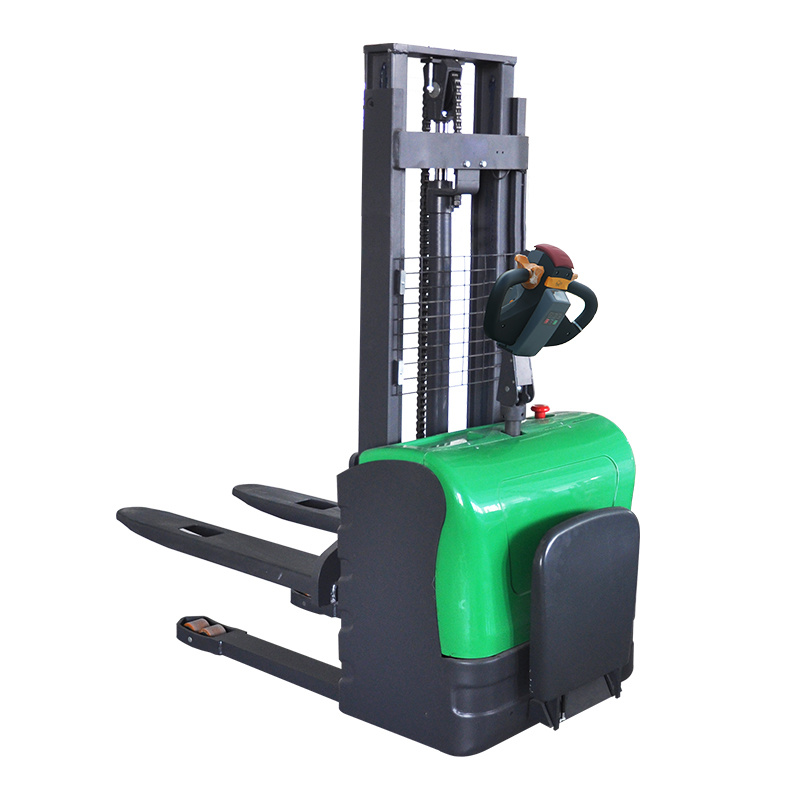
Electric Forklift Stackers: A Sustainable Choice for Your Warehouse
Introduction to Electric Forklift Stackers
Electric forklift stackers have become essential assets in modern warehouse operations. With the shift towards sustainability and efficiency, these machines offer remarkable advantages over traditional fuel-powered options. In this article, we explore why electric forklift stackers are a sustainable choice for your warehouse, delving into their operational benefits, environmental impact, and the considerations for implementation.
The Advantages of Electric Forklift Stackers
Enhanced Efficiency in Warehouse Operations
Electric forklift stackers are designed to handle various warehouse tasks effectively. Their compact size allows them to maneuver easily in tight spaces, making them ideal for warehouses with limited room. Additionally, their quick acceleration and lifting capabilities ensure that goods are moved swiftly, enhancing overall efficiency.
Cost Savings Over Time
While the initial investment in electric forklift stackers may be higher compared to traditional models, the long-term savings are significant. Electric models require less maintenance, as they have fewer moving parts and do not require oil changes or fuel purchases. They also consume less energy, especially when paired with renewable energy sources, resulting in lower operational costs.
Reduced Environmental Impact
One of the primary reasons businesses are transitioning to electric forklift stackers is their reduced environmental footprint. Electric models produce zero emissions at the point of use, contributing to cleaner air quality within the warehouse environment. Furthermore, many electric stackers are compatible with sustainable energy sources, further decreasing their carbon footprint.
Choosing the Right Electric Forklift Stacker for Your Warehouse
Assessing Your Warehouse Needs
Before selecting an electric forklift stacker, it's crucial to evaluate your specific warehouse needs. Consider factors such as load capacity, lifting height, and the type of goods being handled. Understanding your operational requirements will help you choose the most suitable model.
Battery Technology and Life Span
The performance of an electric forklift stacker heavily relies on its battery technology. Lithium-ion batteries, for instance, offer longer life spans and faster charging times compared to traditional lead-acid batteries. It’s essential to consider your operational schedule when choosing battery types to ensure that your stackers remain operational throughout the day.
Safety Features and Ergonomics
Safety should always be a top priority in warehouse operations. When selecting an electric forklift stacker, look for models equipped with advanced safety features such as automatic braking systems, load sensors, and ergonomic designs. These features not only protect your employees but also enhance productivity by reducing the risk of accidents.
Future Trends in Electric Forklift Technology
Integration with Smart Technology
As technology advances, electric forklift stackers are becoming increasingly integrated with smart features. Systems that provide real-time data on battery life, load weight, and operational efficiency are gaining popularity. This data-driven approach allows warehouse managers to make informed decisions, optimizing operation and maintenance schedules.
Adoption of Automated Solutions
The rise of automation in warehousing is making electric forklift stackers even more relevant. Automated guided vehicles (AGVs) and robotic systems are being developed to work alongside electric stackers, enhancing material handling processes. This integration can lead to significant efficiency gains and reduced labor costs.
Environmental Regulations and Compliance
The Role of Sustainability in Warehouse Operations
As sustainability becomes a focal point in business operations, many warehouses are being pressured to comply with environmental regulations. Electric forklift stackers align with these compliance goals by minimizing emissions and energy consumption. Companies can enhance their corporate social responsibility (CSR) efforts by integrating these machines into their logistics.
Incentives for Sustainable Practices
Governments and organizations are increasingly offering incentives for businesses that adopt sustainable practices, including grants and tax breaks for using electric vehicles. Investing in electric forklift stackers can not only improve your bottom line but also qualify your business for these beneficial programs.
Implementing Electric Forklift Stackers in Your Warehouse
Training Staff for Optimal Performance
Transitioning to electric forklift stackers necessitates proper training for your workforce. Ensuring that employees are trained in the operational differences and safety protocols associated with electric models is crucial for maximizing efficiency and safety.
Overcoming Common Challenges
While the benefits of electric forklift stackers are numerous, some challenges may arise during implementation. These can include initial costs, resistance to change among employees, and ensuring adequate charging infrastructure. Addressing these challenges proactively can facilitate a smoother transition.
Maintenance of Electric Forklift Stackers
Routine Maintenance Tips
Maintaining electric forklift stackers is generally less demanding than their fuel-powered counterparts. However, regular checks on battery health, tire condition, and overall machine functionality are essential to ensure longevity and operational efficiency. Routine maintenance should be scheduled according to manufacturer guidelines.
Maximizing Battery Life
To enhance battery life and performance, implement best practices such as avoiding deep discharges and ensuring regular charging. Understanding how to optimize battery usage will extend the life of your electric forklift stackers and reduce long-term operational costs.
Cost Analysis of Electric Forklift Stackers
Initial Investment vs. Long-Term Savings
When considering electric forklift stackers, it’s critical to perform a cost-benefit analysis. Calculate the initial investment, including purchase price and infrastructure upgrades, against long-term savings from reduced maintenance, energy costs, and potential incentives.
Return on Investment (ROI) Calculation
To accurately assess ROI, consider not just the financial aspects but also the operational improvements. Factors such as increased efficiency, reduced downtime, and enhanced safety can significantly impact overall returns, making electric forklift stackers a wise investment for the future of your warehouse.
FAQs
1. Are electric forklift stackers more expensive than traditional forklifts?
While electric forklift stackers may have a higher upfront cost, they offer long-term savings due to lower maintenance and energy costs.
2. How long does the battery last on an electric forklift stacker?
Battery life varies based on usage, but lithium-ion batteries can last several years with proper maintenance.
3. Do electric forklift stackers require special charging infrastructure?
Yes, electric forklift stackers require charging stations, and you may need to evaluate your warehouse layout for optimal placement.
4. What safety features should I look for in an electric forklift stacker?
Look for features like automatic braking, ergonomic designs, and load sensors to enhance safety during operation.
5. How can electric forklift stackers help with sustainability efforts?
Electric forklift stackers produce zero emissions during operation and can be powered by renewable energy sources, aligning with sustainability goals.
Conclusion
Electric forklift stackers represent a pivotal shift towards more sustainable warehouse operations. Their numerous advantages, including enhanced efficiency, cost savings, and reduced environmental impact, make them a preferred choice for modern businesses. By evaluating your operational needs and integrating these innovative machines into your logistics, you can not only improve your warehouse efficiency but also contribute to a greener future. As technology continues to advance, the role of electric forklift stackers will only become more significant, shaping the future of material handling and logistics.
Contact Us

Professional forklift manufacturer
Products Hotline:+86-19203299111
WhatsApp:+8613582499666
Email:sales@good-forklift.com
Wechat:+86-19203299111
Mobile website