

Electric Portable Forklifts vs. Gas-Powered Forklifts: A Comprehensive Guide
Dec 11,2025
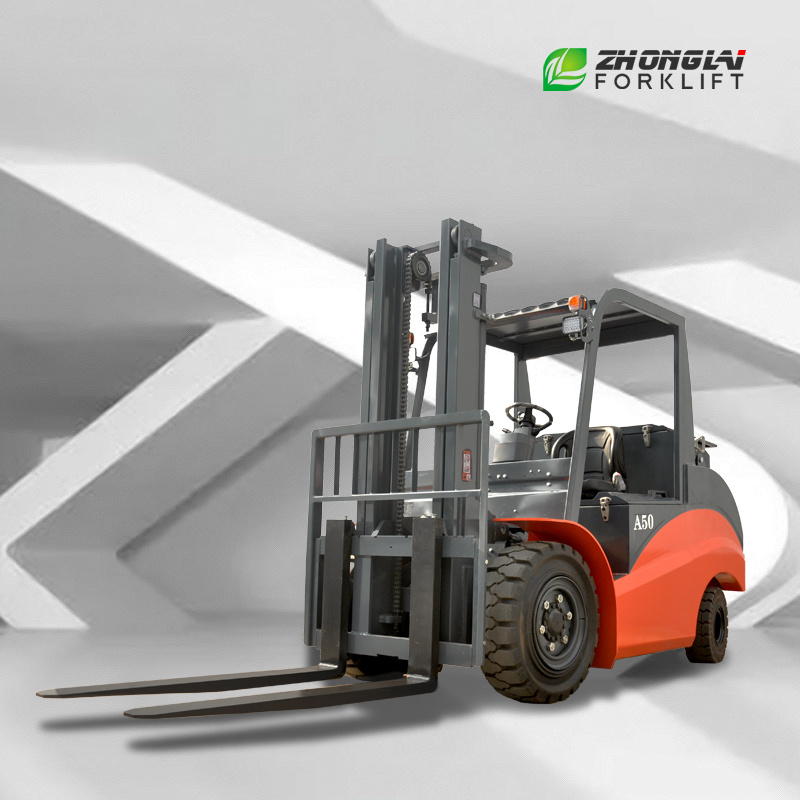
Electric Portable Forklifts vs. Gas-Powered Forklifts: A Comprehensive Guide
Table of Contents
- 1. Introduction to Forklift Types
- 2. Understanding Electric Portable Forklifts
- 3. Overview of Gas-Powered Forklifts
- 4. Key Advantages of Electric Portable Forklifts
- 5. Key Advantages of Gas-Powered Forklifts
- 6. Cost Comparison: Electric vs. Gas
- 7. Operational Efficiency and Performance
- 8. Environmental Impact and Sustainability
- 9. Maintenance Requirements for Both Types
- 10. Choosing the Right Forklift for Your Needs
- 11. Conclusion
- 12. Frequently Asked Questions (FAQs)
1. Introduction to Forklift Types
In the bustling world of logistics and warehousing, forklifts play a pivotal role in simplifying the movement of goods. As businesses evolve, so do the technologies behind forklifts. The choice between electric portable forklifts and gas-powered forklifts can significantly impact operational efficiency, cost, and environmental footprint. This guide explores the characteristics, benefits, and drawbacks of each type, assisting you in making a well-informed decision.
2. Understanding Electric Portable Forklifts
Electric portable forklifts, powered by rechargeable batteries, are designed for indoor use and are increasingly popular among businesses focusing on sustainability. These forklifts are known for their quiet operation and minimal emissions, making them ideal for environments where air quality is a concern.
2.1 Features of Electric Portable Forklifts
Electric forklifts come equipped with features tailored for efficiency and safety, including:
- **Regenerative braking systems** that enhance battery life.
- **Compact designs** that allow for maneuverability in tight spaces.
- **Advanced control systems** for precise handling and operation.
2.2 Applications of Electric Portable Forklifts
These forklifts are commonly utilized in warehouses, retail environments, and manufacturing plants where heavy lifting is required without the need for fuel combustion. They excel in areas with delicate surfaces, such as tiled or polished concrete floors.
3. Overview of Gas-Powered Forklifts
Gas-powered forklifts operate on internal combustion engines, utilizing propane or gasoline. They are known for their powerful performance, extended operating range, and flexibility across various environments.
3.1 Features of Gas-Powered Forklifts
Gas forklifts are characterized by:
- **Higher lifting capacity**, making them suitable for heavy-duty applications.
- **Robust construction** that withstands harsh outdoor conditions.
- **Quick refueling** capabilities, allowing for uninterrupted operations.
3.2 Applications of Gas-Powered Forklifts
These forklifts are ideal for outdoor use, particularly in construction sites, lumber yards, and other rugged environments where durability and power are essential.
4. Key Advantages of Electric Portable Forklifts
Electric portable forklifts come with several advantages, making them a compelling choice for specific applications.
4.1 Cost Efficiency
While the initial investment in electric forklifts may be higher, they offer lower operating costs. Electricity is generally cheaper than fuel, and the reduced maintenance requirements further enhance cost savings.
4.2 Environmental Benefits
Electric forklifts produce zero exhaust emissions, contributing to cleaner air quality. This makes them suitable for indoor operations where air quality is paramount.
4.3 Noise Reduction
The quiet operation of electric forklifts enhances the working environment, making them advantageous in settings where noise reduction is essential.
5. Key Advantages of Gas-Powered Forklifts
Gas-powered forklifts also present distinct advantages, particularly in specific operational contexts.
5.1 Power and Performance
Gas forklifts are renowned for their excellent performance and ability to handle heavy loads, making them a preferred choice for demanding applications.
5.2 Longer Operational Range
With their quick refueling capabilities, gas-powered forklifts can operate for extended hours without the downtime associated with charging electric batteries.
5.3 Versatility
These forklifts excel in outdoor environments and can function in various weather conditions, making them highly versatile.
6. Cost Comparison: Electric vs. Gas
When comparing the costs associated with electric and gas-powered forklifts, it is essential to evaluate several factors, including initial purchase price, operating costs, and maintenance expenses.
6.1 Initial Purchase Price
Electric forklifts typically have a higher upfront cost due to battery technology. However, this investment can be offset by lower operational expenses over time.
6.2 Operating Costs
Electric forklifts generally incur lower operating costs, with electricity often being less expensive than gas. Additionally, electric models have fewer moving parts, leading to lower maintenance costs.
6.3 Long-Term Financial Implications
While gas forklifts may seem cheaper initially, their higher ongoing fuel and maintenance costs can add up over time. Businesses should consider the total cost of ownership when making a decision.
7. Operational Efficiency and Performance
Understanding the operational efficiency of both electric and gas-powered forklifts is crucial for optimizing workflow.
7.1 Speed and Maneuverability
Electric forklifts are often lighter and more agile, making them suitable for indoor use. In contrast, gas-powered models provide more power for heavy lifting tasks.
7.2 Battery Life vs. Fuel Range
Electric forklifts have a limited operational time based on battery life, which typically lasts 6 to 8 hours per charge. Gas-powered forklifts can be refueled quickly, allowing for continuous operation.
8. Environmental Impact and Sustainability
As businesses increasingly focus on sustainability, the environmental impact of equipment becomes a key consideration.
8.1 Emissions and Air Quality
Electric forklifts have zero tailpipe emissions, significantly improving air quality in enclosed spaces. Gas forklifts, meanwhile, emit greenhouse gases, raising environmental concerns.
8.2 Sustainability Initiatives
With a growing emphasis on corporate social responsibility, companies that adopt electric forklifts can enhance their reputation as environmentally conscious organizations.
9. Maintenance Requirements for Both Types
Maintenance is a critical aspect of forklift ownership that affects total cost and operational efficiency.
9.1 Electric Forklift Maintenance
Electric forklifts require periodic battery maintenance, including regular charging and water level checks. They generally have fewer mechanical parts, leading to less overall maintenance.
9.2 Gas Forklift Maintenance
Gas-powered forklifts need routine engine maintenance, including oil changes, filter replacements, and exhaust system checks. This can lead to higher maintenance costs compared to electric models.
10. Choosing the Right Forklift for Your Needs
Selecting the appropriate forklift hinges on understanding your operational requirements and preferences.
10.1 Assessing Your Environment
Evaluate whether your operations are primarily indoors or outdoors, as this will influence your choice of forklift type.
10.2 Load Capacity and Frequency of Use
Consider the weight of the loads you need to lift and how frequently you will use the forklift. This will help determine the power requirements and efficiency needed.
10.3 Future Considerations
Think about your long-term goals, including potential expansions or shifts in operational focus, which can influence your forklift choice.
11. Conclusion
When it comes to selecting between electric portable forklifts and gas-powered forklifts, there is no one-size-fits-all solution. Each type has its unique advantages and disadvantages, depending on your specific needs and operational context. Electric forklifts shine in indoor settings, offering lower operational costs and environmental benefits. Conversely, gas-powered forklifts excel in power and versatility for outdoor applications. Ultimately, understanding your operational requirements and aligning them with the strengths of each forklift type is crucial for making an informed decision.
12. Frequently Asked Questions (FAQs)
1. What is the primary difference between electric and gas-powered forklifts?
The main difference lies in their power sources: electric forklifts use rechargeable batteries, while gas-powered forklifts rely on internal combustion engines fueled by propane or gasoline.
2. Which forklift type is more cost-effective in the long term?
Electric forklifts tend to be more cost-effective in the long run due to lower operating and maintenance costs, despite having a higher initial purchase price.
3. Can electric forklifts be used outdoors?
While electric forklifts can be used outdoors, they are best suited for indoor environments. Some models are designed for light outdoor use, but they may not perform well in harsh weather conditions.
4. How long do electric forklift batteries last?
The lifespan of electric forklift batteries varies but typically ranges from 3 to 5 years, depending on usage and proper maintenance.
5. Are gas-powered forklifts more powerful than electric models?
Yes, gas-powered forklifts generally offer higher lifting capacities and better performance for heavy-duty applications compared to electric forklifts.
Contact Us

Professional forklift manufacturer
Products Hotline:+86-19203299111
WhatsApp:+8613582499666
Email:sales@good-forklift.com
Wechat:+86-19203299111
Mobile website