

The Growing Popularity of Electric Forklift Stackers in Industries: A Comprehensive Overview
Dec 07,2025
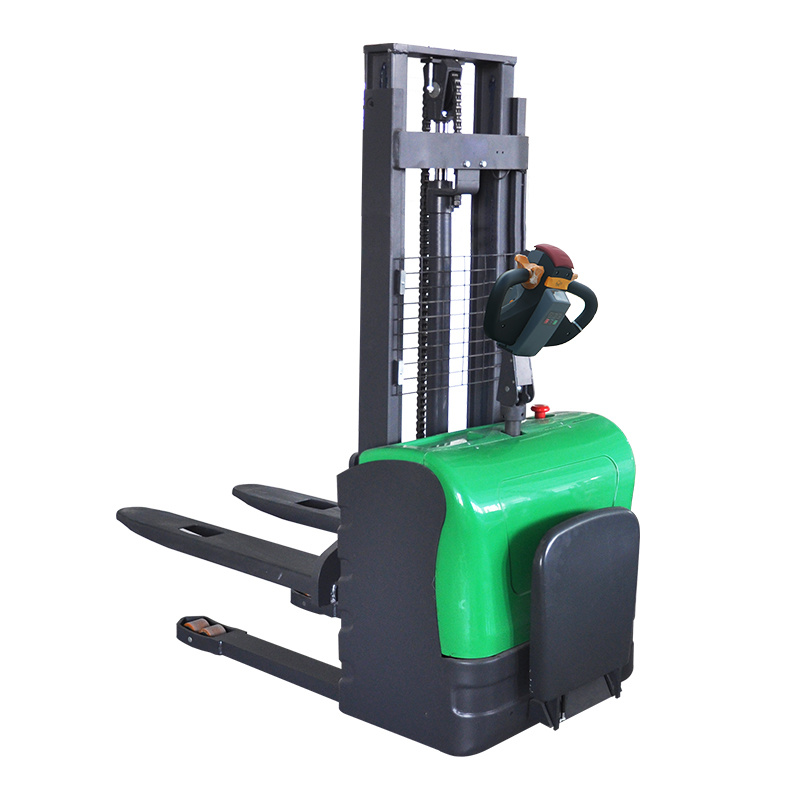
The Growing Popularity of Electric Forklift Stackers in Industries
Introduction: The Shift Towards Electric Forklift Stackers
In recent years, the industrial landscape has witnessed a significant shift towards sustainable and efficient practices. One of the standout innovations contributing to this transformation is the **electric forklift stacker**. This article delves into the rising popularity of electric forklift stackers, their benefits, and the technology driving their widespread adoption across various sectors.
Understanding Electric Forklift Stackers
What Are Electric Forklift Stackers?
Electric forklift stackers are specialized material handling equipment designed for lifting and transporting goods in warehouses and distribution centers. Unlike traditional internal combustion engine forklifts, electric stackers run on rechargeable batteries, making them a cleaner, more efficient option for modern industries.
Key Features of Electric Forklift Stackers
Electric forklift stackers come equipped with several features that enhance their operational efficiency:
- **Battery Power**: Most electric stackers are powered by lithium-ion or lead-acid batteries, allowing for extended use without the emissions associated with gasoline or diesel engines.
- **Compact Design**: Their smaller size makes them ideal for navigating tight spaces, ensuring efficient operation in crowded warehouses.
- **Low Noise Operation**: Electric models operate quietly, making them suitable for indoor environments where noise reduction is a priority.
The Advantages of Electric Forklift Stackers
1. Environmental Sustainability
As industries strive to reduce their carbon footprints, electric forklift stackers present an eco-friendly solution. By eliminating harmful emissions, electric units contribute to cleaner air quality in work environments. This aligns with global sustainability goals, making businesses more attractive to environmentally-conscious consumers.
2. Cost Efficiency
Although the initial investment in electric stackers may be higher than that of traditional forklifts, they often lead to significant savings over time. **Lower maintenance costs**, reduced fuel expenses, and the absence of exhaust-related repairs contribute to a favorable total cost of ownership.
3. Enhanced Safety Features
Electric forklift stackers are designed with advanced safety features such as:
- **Automatic braking systems**
- **Stability controls**
- **Ergonomic design elements**
These features significantly reduce the risk of accidents in busy warehouse environments, ensuring the safety of operators and nearby workers.
Technological Innovations Driving Adoption
Battery Technology Advancements
Recent advancements in battery technology have played a pivotal role in the growth of electric forklift stackers. **Lithium-ion batteries** offer longer operational times, faster charging, and a longer lifespan compared to traditional batteries. This innovation allows businesses to maximize uptime while minimizing energy costs.
Integration of Automation and AI
The integration of automation and artificial intelligence in electric stackers is enhancing their functionality. **Automated guided vehicles (AGVs)** and **smart sensors** allow for improved accuracy in inventory management, reducing human error and increasing operational efficiency.
Various Industries Benefiting from Electric Forklift Stackers
1. Warehousing and Distribution
In the warehousing sector, electric forklift stackers excel in managing high-volume inventory. Their maneuverability and operational efficiency streamline the loading and unloading processes, allowing for faster order fulfillment.
2. Retail and E-commerce
The **retail** and **e-commerce** sectors have embraced electric stackers due to their ability to handle various product sizes and weights. As online shopping continues to surge, these machines play a critical role in managing stock levels efficiently.
3. Manufacturing
In manufacturing environments, electric forklift stackers facilitate the smooth movement of raw materials and finished products. Their reliability and performance contribute to maintaining production schedules while ensuring safety and efficiency on the factory floor.
4. Food and Beverage Industry
The food and beverage sector requires strict adherence to hygiene and safety standards. Electric stackers, being clean and quiet, are the ideal choice for transporting goods in these environments, minimizing the risk of contamination.
The Future of Electric Forklift Stackers
Predicted Market Trends
The global electric forklift market is expected to grow as more companies recognize the benefits of these machines. Increased investment in automation and the pursuit of greener practices are anticipated to fuel this growth, driving innovation and efficiency further in the coming years.
Challenges to Overcome
Despite many advantages, the transition to electric forklift stackers is not without challenges. Issues such as **battery charging infrastructure**, initial costs, and training for staff on new equipment need addressing. However, as technology continues to evolve, solutions to these challenges are emerging, making electric stackers more accessible.
Frequently Asked Questions (FAQs)
1. How long do electric forklift stackers last?
Electric forklift stackers generally last between 5 to 10 years, depending on usage, maintenance, and battery management.
2. Are electric forklift stackers more expensive than gas-powered ones?
While the upfront cost of electric stackers is typically higher, they are more cost-effective in the long run due to lower operating and maintenance costs.
3. Can electric forklift stackers be used outdoors?
While electric stackers are primarily designed for indoor use, certain models are equipped for outdoor environments. However, it's essential to check the manufacturer's specifications.
4. How often do electric forklift stackers need to be charged?
Charging frequency depends on usage. On average, electric stackers can operate for 6 to 8 hours on a single charge, after which they typically require 8 hours for a full recharge.
5. What maintenance do electric forklift stackers require?
Electric stackers require regular battery maintenance, inspections of electrical systems, and periodic checks on components like tires and brakes to ensure optimal performance.
Conclusion: Embracing the Electric Future in Material Handling
The growing popularity of electric forklift stackers is a testament to the industry's shift towards sustainability, efficiency, and safety. As technology continues to advance, these machines will play an increasingly vital role in various sectors, offering businesses a pathway to improved operational practices and reduced environmental impact. By embracing electric forklift stackers, industries can not only enhance productivity but also contribute to a greener future, making this innovation a cornerstone of modern material handling solutions.
Contact Us

Professional forklift manufacturer
Products Hotline:+86-19203299111
WhatsApp:+8613582499666
Email:sales@good-forklift.com
Wechat:+86-19203299111
Mobile website