

Electric Forklift Stackers: Transforming Logistics Operations for a Sustainable Future
Dec 01,2025
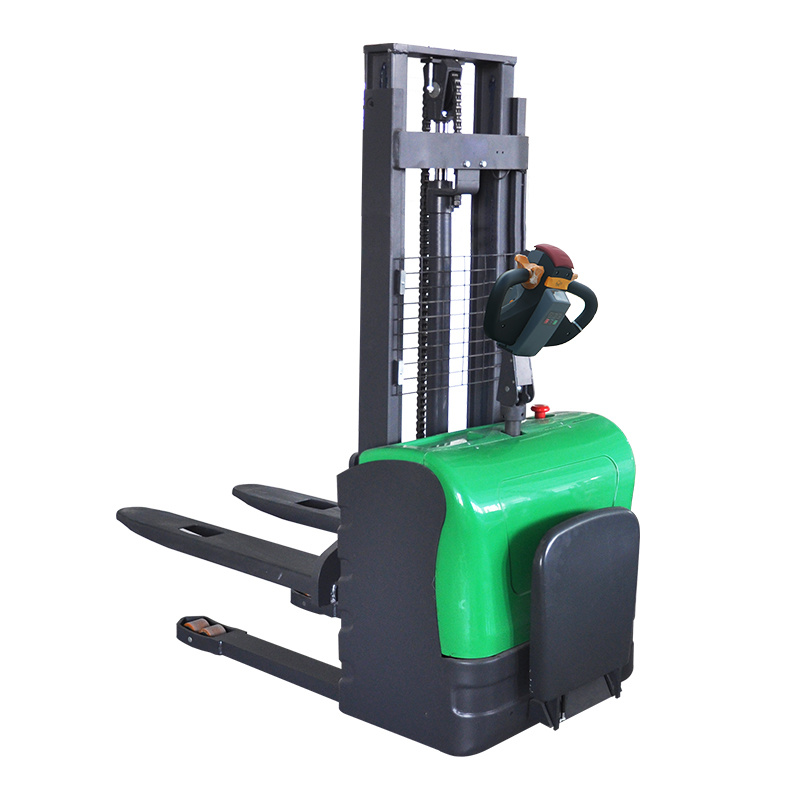
Electric Forklift Stackers: Transforming Logistics Operations
Table of Contents
- 1. Introduction to Electric Forklift Stackers
- 2. Benefits of Electric Forklift Stackers
- 3. Types of Electric Forklift Stackers
- 4. Key Features of Modern Electric Forklift Stackers
- 5. The Role of Electric Forklift Stackers in Sustainability
- 6. Enhancing Operational Efficiency with Electric Forklift Stackers
- 7. Maintenance and Care for Electric Forklift Stackers
- 8. Frequently Asked Questions about Electric Forklift Stackers
- 9. Conclusion
1. Introduction to Electric Forklift Stackers
The logistics and transportation industry is undergoing a significant transformation, driven by advancements in technology and the urgent need for sustainability. **Electric forklift stackers** are at the forefront of this revolution, offering efficient, versatile, and environmentally friendly solutions for modern warehouses and distribution centers. These machines not only streamline operations but also contribute to reducing operational costs, making them an essential tool for businesses in the sector.
2. Benefits of Electric Forklift Stackers
Electric forklift stackers present numerous advantages that can significantly impact logistics operations. Here are some of the key benefits:
Cost-Effectiveness
Electric stackers often have lower operating costs compared to their internal combustion counterparts. They require less maintenance, and the cost of electricity is generally lower than fuel, leading to substantial savings over time.
Reduced Emissions
With growing environmental concerns, the need for sustainable solutions in logistics has never been greater. Electric forklift stackers produce zero emissions during operation, helping businesses reduce their carbon footprint and contribute to a cleaner environment.
Enhanced Safety Features
Modern electric stackers are equipped with advanced safety features such as automatic braking systems, anti-tip technology, and improved visibility, ensuring safer operations in busy warehouse environments.
Increased Maneuverability
Electric stackers are typically more compact than traditional forklifts, allowing for better maneuverability in tight spaces. This is particularly beneficial in warehouses with narrow aisles and crowded working areas.
3. Types of Electric Forklift Stackers
Electric forklift stackers come in various types, each designed to cater to specific operational needs. Understanding these different types can help businesses make informed decisions based on their unique logistics requirements.
Walkie Stackers
Walkie stackers are designed for use on flat surfaces and are operated by an individual walking alongside the stacker. They are ideal for lifting and transporting loads over short distances.
Rider Stackers
Rider stackers allow the operator to ride on the machine while it is in motion. This design is beneficial for longer distances and enhances productivity by reducing the time spent walking.
High Reach Stackers
High reach stackers are specifically designed for handling high racks and vertical storage systems. They provide the ability to lift loads to greater heights, making them essential for maximizing vertical space in warehouses.
Multi-Directional Stackers
Multi-directional stackers can maneuver in various directions, making them perfect for navigating tight spaces and complex layouts. They are especially useful in warehouses where space optimization is critical.
4. Key Features of Modern Electric Forklift Stackers
When investing in electric forklift stackers, it's crucial to consider the features that can enhance operational performance. Here are some key attributes to look for:
Advanced Control Systems
Modern electric stackers are equipped with sophisticated control systems that offer precision handling and improved ergonomics. These systems allow operators to manage loads efficiently while minimizing the risk of accidents.
Batteries and Charging Options
The performance of an electric stacker largely depends on its battery life. Look for stackers with high-capacity batteries and fast-charging options that reduce downtime and maximize productivity.
Ergonomic Design
An ergonomic design not only enhances operator comfort but also boosts productivity. Features such as adjustable steering columns, comfortable grips, and optimized controls contribute to a better user experience.
Telematics and Connectivity
Many modern electric stackers come with telematics capabilities that allow for real-time monitoring of performance metrics, usage statistics, and maintenance schedules. This data-driven approach can help optimize fleet management and reduce operational costs.
5. The Role of Electric Forklift Stackers in Sustainability
As the world increasingly shifts towards greener practices, electric forklift stackers are playing a pivotal role in promoting sustainability in logistics. Here’s how they contribute to a more sustainable operation:
Lower Energy Consumption
Electric stackers are designed to be energy-efficient, consuming less power compared to traditional forklifts. This reduction in energy consumption not only lowers operational costs but also lessens the environmental impact.
Recyclable Materials
Many electric stackers are constructed using recyclable materials, contributing to a circular economy. This focus on sustainability in manufacturing aligns with broader environmental goals.
Lower Noise Pollution
Electric stackers operate much more quietly than their gas-powered counterparts. This reduction in noise pollution creates a more pleasant working environment and is particularly advantageous in urban settings.
6. Enhancing Operational Efficiency with Electric Forklift Stackers
Operational efficiency is a critical aspect of logistics success. Here’s how electric fork stackers can help achieve higher efficiency levels in warehouse operations:
Streamlined Operations
Electric stackers facilitate faster loading and unloading processes, allowing for quicker turnaround times. This efficiency leads to improved inventory management and increased throughput.
Optimized Space Utilization
With the ability to stack loads higher and more securely, electric stackers enable better space utilization within warehouses, maximizing storage capabilities while minimizing clutter.
Reduced Downtime
The reliability of electric stackers contributes to reduced downtime. With fewer breakdowns and easier maintenance, operations can run smoothly without interruptions.
7. Maintenance and Care for Electric Forklift Stackers
Proper maintenance is essential to ensure the longevity and efficiency of electric forklift stackers. Here are some key maintenance practices:
Scheduled Inspections
Regular inspections should be conducted to ensure that all components of the stacker are functioning correctly. This includes checking the battery, brakes, and hydraulic systems.
Battery Maintenance
Battery care is crucial for electric stackers. Operators should regularly check the battery levels and ensure proper charging practices to prolong battery life.
Cleaning and Lubrication
Keeping the stacker clean and well-lubricated can prevent wear and tear. Dust and debris can affect performance, so routine cleaning is necessary.
Training for Operators
Providing adequate training for operators ensures they understand how to use and care for electric stackers correctly, which can prevent damage and extend the equipment's lifespan.
8. Frequently Asked Questions about Electric Forklift Stackers
What is the difference between electric and gas-powered forklifts?
Electric forklifts operate using rechargeable batteries, producing zero emissions and being quieter compared to gas-powered models, which burn fuel and emit exhaust.
How long do electric forklift batteries last?
Typically, electric forklift batteries can last anywhere from 5 to 10 years, depending on usage and maintenance practices.
Are electric forklift stackers suitable for outdoor use?
While electric stackers are primarily designed for indoor use, some models are equipped for outdoor applications. It's essential to check the specifications of each model before use.
What type of maintenance do electric forklift stackers require?
Electric stackers require routine inspections, battery maintenance, cleaning, and operator training to ensure optimal performance and longevity.
Can electric forklift stackers handle heavy loads?
Yes, electric stackers come in various capacities and can efficiently handle heavy loads, depending on the model and specifications.
9. Conclusion
Electric forklift stackers are revolutionizing logistics operations by providing a sustainable, efficient, and cost-effective solution for modern warehouses. Their numerous advantages, including reduced emissions, enhanced safety, and improved operational efficiency, make them an indispensable asset in the transportation and warehousing industry. As businesses prioritize sustainability and seek to optimize their operations, electric stackers will continue to be at the forefront of this transformation, paving the way for a more efficient and environmentally friendly future. Investing in electric forklift stackers is not just a step towards modernizing logistics operations; it is a commitment to sustainability and operational excellence.
Contact Us

Professional forklift manufacturer
Products Hotline:+86-19203299111
WhatsApp:+8613582499666
Email:sales@good-forklift.com
Wechat:+86-19203299111
Mobile website