

The Ultimate Guide to Best Practices for Operating Electric Forklift Stackers
Nov 25,2025
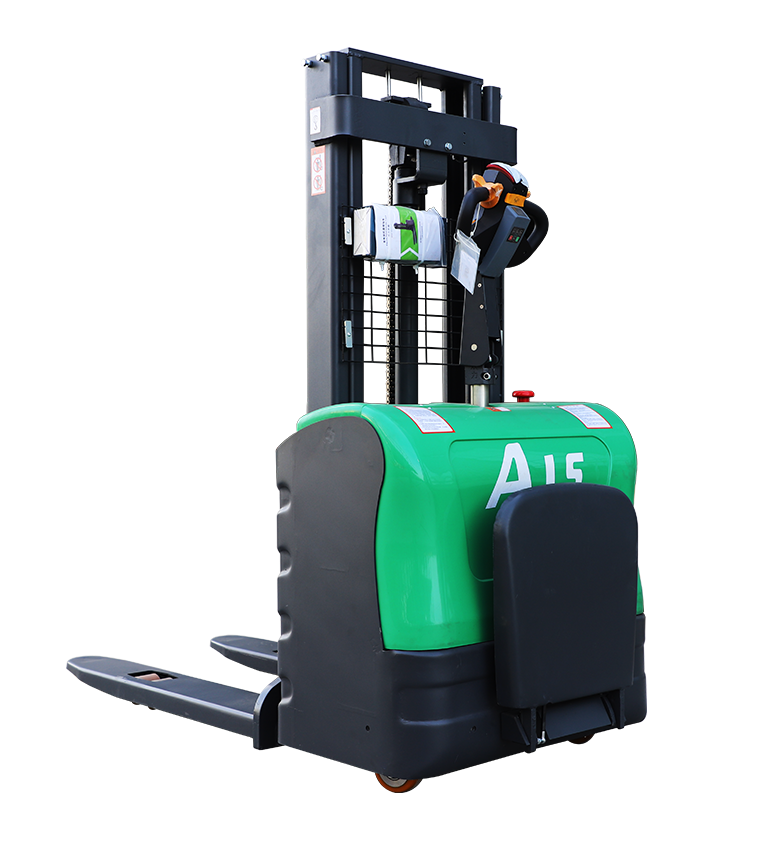
The Ultimate Guide to Best Practices for Operating Electric Forklift Stackers
Electric forklift stackers are vital assets in modern warehouses and logistics operations. They improve efficiency and safety when handling materials, allowing for swift loading, unloading, and stacking of goods. However, to maximize their advantages, it is crucial to follow best practices that ensure safe and efficient operations. In this guide, we delve into the best practices for operating electric forklift stackers, providing you with valuable insights and actionable tips to enhance your operational workflow.
Table of Contents
- 1. Introduction to Electric Forklift Stackers
- 2. Essential Safety Protocols for Operators
- 3. Pre-Operational Checklist for Electric Forklift Stackers
- 4. Operational Best Practices
- 5. Maintenance and Care of Electric Forklift Stackers
- 6. Training and Competency for Operators
- 7. Troubleshooting Common Issues
- 8. Conclusion
- 9. Frequently Asked Questions
1. Introduction to Electric Forklift Stackers
Electric forklift stackers play a pivotal role in material handling across various industries, including warehousing, manufacturing, and retail. These machines are designed to lift, move, and stack goods efficiently, significantly reducing labor costs and enhancing productivity. Unlike traditional forklifts, electric stackers operate quietly and produce zero emissions, making them ideal for indoor operations. Understanding how to operate these machines effectively is key to reaping their benefits while minimizing risks.
2. Essential Safety Protocols for Operators
Understanding Safety Risks
Operating electric forklift stackers comes with inherent risks. Familiarizing yourself with these risks is the first step in ensuring safety. Common hazards include:
- Collision with pedestrians or other equipment.
- Overturning due to improper load handling.
- Electrical hazards from battery maintenance.
Personal Protective Equipment (PPE)
Wearing appropriate PPE can significantly reduce the risk of injury. Essential equipment includes:
- Safety helmets.
- High-visibility vests.
- Steel-toed boots.
- Gloves and protective eyewear.
3. Pre-Operational Checklist for Electric Forklift Stackers
Daily Inspections
Before operating an electric forklift stacker, performing a thorough inspection is critical. This daily checklist should include:
- Checking the battery charge level.
- Inspecting tires for wear and proper inflation.
- Examining forks for damage or deformation.
- Ensuring that safety features, such as lights and alarms, are functional.
- Confirming that controls are operational and responsive.
Reporting Issues
If any issues are identified during inspection, operators should report them immediately and refrain from using the machine until repairs are completed. This proactive approach mitigates risks and ensures operational efficiency.
4. Operational Best Practices
Proper Load Handling Techniques
To operate electric forklift stackers safely and efficiently, mastering load handling techniques is essential. This includes:
- Ensuring loads are balanced and secure.
- Centering the load on the forks to maintain stability.
- Lifting loads only to the height necessary for transport.
- Using appropriate lifting techniques, such as tilting the mast back when lifting.
Driving Techniques
Safe driving practices are crucial for preventing accidents. Key techniques include:
- Maintaining a safe speed, particularly around corners and in narrow aisles.
- Using the horn to signal your approach in crowded areas.
- Keeping a clear line of sight and using mirrors effectively.
Communicating Effectively
Clear communication among operators and other personnel is vital. Implementing hand signals or using two-way radios can help ensure that everyone is aware of movements and actions, thereby reducing the risk of accidents.
5. Maintenance and Care of Electric Forklift Stackers
Regular Maintenance Schedule
Electric forklift stackers require regular maintenance to operate optimally. This includes:
- Scheduled battery maintenance, including checking fluid levels and cleaning terminals.
- Routine checks on hydraulic systems to ensure proper functionality.
- Regular inspections of electrical systems for signs of wear or damage.
Professional Servicing
It is advisable to engage professional servicing for more complex maintenance tasks. Trained technicians can identify issues that may not be visible during routine inspections, helping to prevent breakdowns and extend the lifespan of the equipment.
6. Training and Competency for Operators
Importance of Training
Comprehensive training programs for electric forklift stacker operators are essential to maintain safety and efficiency. Proper training equips operators with the skills and knowledge to handle equipment safely and effectively.
Certification Requirements
Many jurisdictions require operators to obtain certification before operating electric forklift stackers. Training programs should cover:
- Theoretical knowledge of forklift operations.
- Hands-on training with various types of stackers.
- Understanding safety regulations and best practices.
7. Troubleshooting Common Issues
Identifying Common Problems
Even with proper maintenance, electric forklift stackers may encounter issues. Common problems include:
- Battery not charging.
- Forks not lifting correctly.
- Electrical malfunctions.
Troubleshooting Techniques
Operators should be familiar with basic troubleshooting techniques, such as:
- Checking battery connections and charge levels.
- Inspecting fuses and circuit breakers.
- Consulting the user manual for specific error codes or indicators.
8. Conclusion
Operating electric forklift stackers effectively requires adherence to best practices in safety, operation, and maintenance. By following the guidelines outlined in this comprehensive guide, organizations can enhance productivity, prevent accidents, and ensure that their equipment remains in optimal condition. Continuous training and a proactive approach to maintenance will further safeguard against issues that can disrupt operations. Ultimately, investing in best practices for electric forklift stackers reaps long-term benefits, ensuring a safe and efficient working environment.
9. Frequently Asked Questions
What are electric forklift stackers used for?
Electric forklift stackers are designed to lift, move, and stack goods efficiently in warehouses and logistics centers, particularly for indoor operations.
How often should electric forklift stackers be serviced?
Regular maintenance checks should be conducted daily, while comprehensive servicing by a professional technician is recommended every three to six months, depending on usage.
What safety equipment should operators wear?
Operators should wear safety helmets, high-visibility vests, steel-toed boots, and gloves while operating electric forklift stackers to minimize the risk of injury.
Can electric forklift stackers operate in wet conditions?
While electric forklift stackers are designed for indoor use and can handle some moisture, it is essential to avoid operating them in excessively wet conditions to prevent electrical hazards.
What is the maximum weight an electric forklift stacker can lift?
The lifting capacity varies by model, but most electric forklift stackers can lift loads ranging from 2,000 to 5,000 pounds, depending on their specifications.
What should I do if my electric forklift stacker is not charging?
Check the battery connections and ensure the charger is functioning properly. If the issue persists, consult a professional technician for further diagnosis.
Contact Us

Professional forklift manufacturer
Products Hotline:+86-19203299111
WhatsApp:+8613582499666
Email:sales@good-forklift.com
Wechat:+86-19203299111
Mobile website