

Electric Portable Forklifts: A Key Component in Modern Automation Strategies
Nov 23,2025
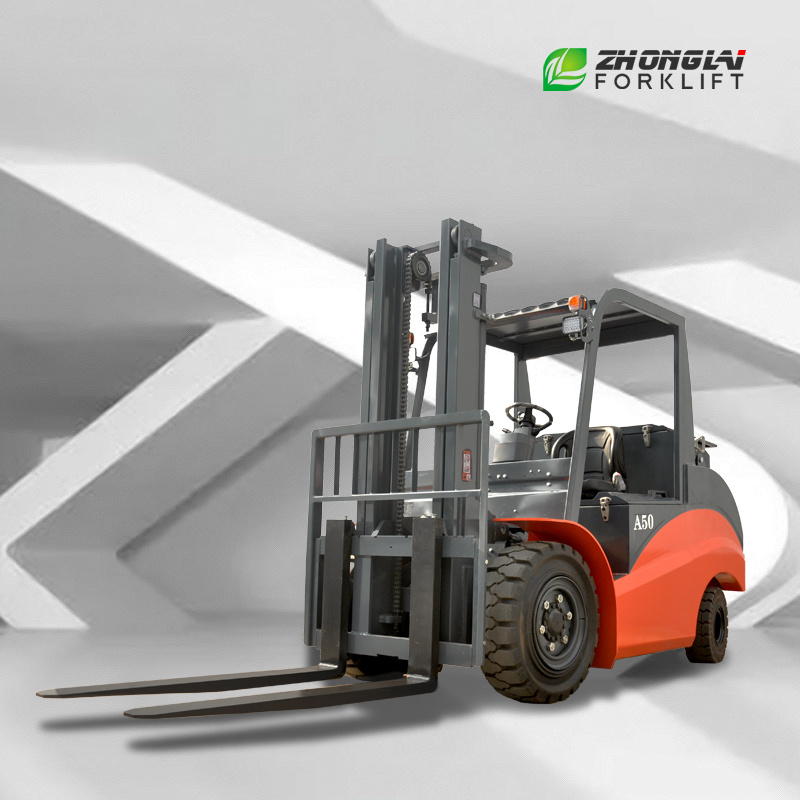
Electric Portable Forklifts: A Key Component in Modern Automation Strategies
In the ever-evolving realm of logistics and warehousing, the integration of technology plays a pivotal role in driving efficiency and productivity. **Electric portable forklifts** have emerged as crucial tools within automation strategies, offering businesses the flexibility and agility needed in today's fast-paced environment. This article delves into the various aspects of electric portable forklifts, their role in automation, and how they are reshaping the future of transportation and storage solutions.
Table of Contents
- Understanding Electric Portable Forklifts
- Benefits of Electric Portable Forklifts in Warehousing
- Electric vs. Gas-Operated Forklifts: A Comparative Analysis
- Integration with Automation Systems
- Future Trends in Electric Portable Forklifts
- Case Studies: Successful Implementations
- Choosing the Right Electric Portable Forklift for Your Business
- Frequently Asked Questions
Understanding Electric Portable Forklifts
Electric portable forklifts are compact, battery-operated lifting devices designed for maneuverability in tight spaces. They are particularly suitable for indoor operations where traditional forklifts may struggle due to size and power constraints. **The portable design** allows for greater flexibility, enabling these forklifts to navigate crowded warehouses, retail environments, and even outdoor spaces.
With advancements in technology, modern electric forklifts offer features such as **advanced battery management systems** and **intelligent controls**, which enhance operational efficiency while reducing energy consumption.
Key Features of Electric Portable Forklifts
1. **Compact Design**: Their smaller size allows for easier navigation in tight spaces, making them ideal for urban warehouses.
2. **Battery Efficiency**: Advanced lithium-ion batteries provide longer run times and quicker charging cycles.
3. **User-Friendly Controls**: Ergonomically designed controls enhance operator comfort and efficiency.
4. **Enhanced Safety Features**: Electric forklifts come equipped with safety systems, including automatic braking and load management technologies.
Benefits of Electric Portable Forklifts in Warehousing
The adoption of electric portable forklifts offers numerous advantages to businesses, particularly in warehousing and logistics operations.
Increased Efficiency and Productivity
Electric portable forklifts significantly enhance operational efficiency. Their **quick maneuverability** and ability to operate in confined spaces allow for faster loading and unloading processes. This increased throughput translates to higher productivity levels, enabling businesses to meet customer demands more effectively.
Cost Savings and Sustainability
Transitioning to electric forklifts can lead to substantial cost savings. While the initial investment may be higher compared to gas-operated models, electric forklifts typically incur lower operating costs due to reduced fuel expenses and maintenance requirements. Additionally, because they generate fewer emissions, electric forklifts contribute to **sustainable business practices**, aligning with the growing emphasis on environmental responsibility.
Enhanced Safety Measures
Safety is paramount in any warehouse setting. Electric portable forklifts come equipped with advanced safety features that minimize the risk of accidents. The low center of gravity and stability of these forklifts offer enhanced safety for operators and surrounding personnel. Moreover, many models feature automatic shut-off mechanisms and collision avoidance systems.
Electric vs. Gas-Operated Forklifts: A Comparative Analysis
When considering forklifts for various applications, businesses often face the choice between electric and gas-operated models.
Performance and Power
Gas-operated forklifts may deliver more power in certain heavy-duty applications, but electric forklifts provide a consistent performance with minimal downtime related to refueling. The immediate availability of electric forklifts, combined with their quiet operation, makes them an attractive choice for indoor use.
Environmental Considerations
Electric forklifts produce zero emissions, making them the preferred option for businesses prioritizing sustainability. Gas-operated forklifts contribute to air pollution, and their operation can be restricted in enclosed spaces due to exhaust fumes.
Integration with Automation Systems
The future of electric portable forklifts is intertwined with automation technologies. Integrating these forklifts into automated systems enhances their efficiency and operational capabilities.
Robotic Systems and Electric Forklifts
Many businesses are employing robotic systems alongside electric portable forklifts to create a synergistic workflow. For instance, automated guided vehicles (AGVs) can transport goods while electric forklifts handle lifting and stacking operations. This integration streamlines processes, reduces manual labor, and enhances the overall efficiency of warehouse operations.
Data-Driven Operations
The incorporation of IoT technology allows electric forklifts to communicate with warehouse management systems. They can provide real-time data on performance, battery health, and operational metrics, enabling managers to make informed decisions regarding fleet management and maintenance schedules.
Future Trends in Electric Portable Forklifts
The landscape of electric portable forklifts is rapidly evolving, influenced by technological advancements and changing industry needs.
Battery Technology Advancements
Future developments in battery technology, including solid-state batteries, promise to enhance the efficiency and longevity of electric forklifts. These innovations will enable longer operation times, faster charging cycles, and reduced maintenance requirements.
Increased Automation and AI Integration
As artificial intelligence continues to advance, the integration of AI into electric forklifts will provide enhanced operational capabilities. AI-driven forklifts could optimize routing, improve load management, and adapt to varying operational conditions autonomously.
Case Studies: Successful Implementations
Examining real-world applications of electric portable forklifts provides valuable insights into their effectiveness and potential.
Case Study 1: Retail Warehouse Efficiency
A leading retail chain implemented electric portable forklifts in their distribution centers. The results were remarkable, with a 30% increase in loading efficiency and a significant reduction in employee fatigue due to ergonomic improvements.
Case Study 2: Reducing Carbon Footprint
A manufacturing facility adopted electric forklifts to align with its sustainability goals. The switch led to a 50% reduction in greenhouse gas emissions and an improvement in overall warehouse safety.
Choosing the Right Electric Portable Forklift for Your Business
Selecting the appropriate electric portable forklift is crucial for maximizing efficiency.
Factors to Consider
1. **Load Capacity**: Determine the maximum weight you need to lift regularly.
2. **Maneuverability**: Assess the layout of your workspace to select a forklift that can navigate efficiently.
3. **Battery Life**: Consider the operating hours and charging infrastructure available in your facility.
4. **Safety Features**: Ensure the forklift meets your safety requirements and standards.
Frequently Asked Questions
1. What is the average lifespan of an electric portable forklift?
The average lifespan of an electric portable forklift can range from 5 to 15 years, depending on usage and maintenance practices.
2. Are electric forklifts suitable for outdoor use?
Yes, electric forklifts can be used outdoors, but it's essential to choose models specifically designed for outdoor conditions.
3. How much does an electric portable forklift cost?
The cost of electric portable forklifts varies widely based on features and capabilities, typically ranging from $15,000 to $50,000.
4. Can electric forklifts handle heavy loads?
Yes, electric forklifts are available in various load capacities, some capable of lifting heavy loads exceeding 10,000 pounds.
5. What maintenance do electric forklifts require?
Electric forklifts require routine maintenance, including battery checks, brake inspections, and tire replacements, to ensure optimal performance.
Conclusion
Electric portable forklifts represent a transformative shift in the logistics and warehousing sectors. Their ability to enhance efficiency, reduce operational costs, and support sustainability initiatives makes them integral to modern automation strategies. As technology continues to evolve, the future of electric portable forklifts looks promising, with advancements in battery technology, automation, and AI integration paving the way for even greater operational capabilities. Investing in these innovative tools not only positions businesses for success today but also prepares them for the challenges of tomorrow's dynamic market landscape.
Contact Us

Professional forklift manufacturer
Products Hotline:+86-19203299111
WhatsApp:+8613582499666
Email:sales@good-forklift.com
Wechat:+86-19203299111
Mobile website