

Understanding the Cutting-Edge Technology Behind Electric Forklift Stackers
Nov 19,2025
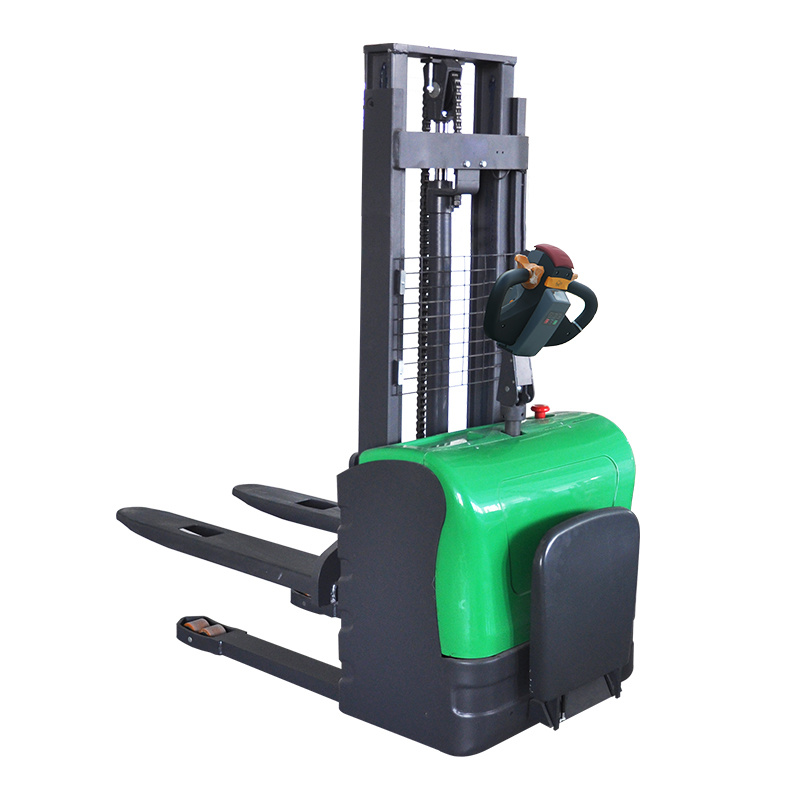
Understanding the Cutting-Edge Technology Behind Electric Forklift Stackers
Table of Contents
- 1. Introduction to Electric Forklift Stackers
- 2. What are Electric Forklift Stackers?
- 3. Historical Evolution of Forklift Technology
- 4. Underlying Technology of Electric Forklift Stackers
- 5. Benefits of Electric Forklift Stackers
- 6. Applications in Various Industries
- 7. Maintenance and Safety Considerations
- 8. Future Trends in Electric Forklift Technology
- 9. FAQs about Electric Forklift Stackers
- 10. Conclusion
1. Introduction to Electric Forklift Stackers
In today's fast-paced logistics and warehousing sectors, **electric forklift stackers** have emerged as vital tools for material handling. Leveraging cutting-edge technology, these machines not only enhance operational efficiency but also contribute to sustainable practices in businesses. Understanding the technology behind electric forklift stackers provides insights into their design, functionality, and advantages over traditional forklifts.
2. What are Electric Forklift Stackers?
Electric forklift stackers are specialized material handling equipment designed for lifting and transporting goods within warehouses, manufacturing plants, and retail environments. Unlike conventional forklifts powered by internal combustion engines, electric stackers utilize electric power sources, making them more environmentally friendly and cost-effective.
3. Historical Evolution of Forklift Technology
The evolution of forklift technology dates back to the early 20th century, when the first powered lift trucks were introduced. However, it was not until the 1950s that electric forklifts began to gain popularity. Today, advancements in battery technology, control systems, and design have led to the sophisticated electric forklift stackers we utilize in modern applications.
4. Underlying Technology of Electric Forklift Stackers
The effectiveness and efficiency of electric forklift stackers hinge on several key technological innovations:
4.1 Electric Power Systems
Electric forklift stackers predominantly utilize **lithium-ion** or **lead-acid batteries**. Lithium-ion batteries are increasingly favored due to their longer lifespan, faster charging times, and reduced maintenance requirements. These power systems enable stackers to operate for extended periods, increasing productivity while minimizing downtime.
4.2 Advanced Control Systems
Modern electric stackers feature **advanced control systems** that enhance maneuverability and safety. Technologies such as **smart sensors** and **programmable logic controllers (PLCs)** enable precise movements, adaptive speed control, and load monitoring. These systems contribute to improved operator safety and efficiency.
4.3 Ergonomics and Design Innovations
The design of electric forklift stackers has evolved to prioritize operator comfort and safety. Features such as adjustable seating, user-friendly control panels, and enhanced visibility contribute to a more ergonomic experience. These aspects not only improve operator productivity but also reduce fatigue and the risk of workplace injuries.
5. Benefits of Electric Forklift Stackers
Electric forklift stackers offer a multitude of advantages that make them an attractive choice for businesses:
- **Environmental Sustainability**: As electric machines, they produce zero emissions, contributing to cleaner air in and around warehouses.
- **Reduced Operating Costs**: Electric stackers typically incur lower fuel and maintenance costs compared to their internal combustion counterparts.
- **Quiet Operation**: Electric forklifts operate more quietly, creating a better working environment, especially in noise-sensitive settings.
- **Increased Efficiency**: Enhanced battery technology and control systems allow for longer operational periods and faster charge times, maximizing productivity.
6. Applications in Various Industries
Electric forklift stackers are versatile and find applications across numerous sectors:
- **Retail**: Used for stocking shelves and managing inventory in large warehouses.
- **Manufacturing**: Essential for moving raw materials and finished products within plants.
- **Food and Beverage**: Ideal for transporting perishable goods due to their clean operation and suitability for refrigerated environments.
- **E-commerce**: Critical for fulfilling online orders and managing high-volume inventories.
7. Maintenance and Safety Considerations
While electric forklift stackers are designed for efficiency, proper maintenance is key to ensuring longevity and safety. Regular inspections, battery care, and adherence to safety guidelines can help avoid accidents and equipment failures.
- **Battery Maintenance**: Regular charging and monitoring battery health can prevent operational disruptions.
- **Operator Training**: Ensuring that operators are thoroughly trained in safe handling practices enhances workplace safety and efficiency.
- **Routine Inspections**: Scheduled checks can identify wear and tear before they lead to serious issues.
8. Future Trends in Electric Forklift Technology
The future of electric forklift stackers looks promising, with several trends shaping the evolution of this technology:
- **Automation and Robotics**: The integration of automated systems and robotics is expected to revolutionize material handling, making operations more efficient and reducing labor costs.
- **Smart Technology and IoT**: The Internet of Things (IoT) is set to enhance the connectivity of electric stackers, enabling real-time data monitoring and predictive maintenance.
- **Sustainability Initiatives**: As businesses continue to prioritize sustainability, electric forklift stackers will play a crucial role in achieving greener operational goals.
9. FAQs about Electric Forklift Stackers
What is the average lifespan of an electric forklift stacker?
The average lifespan of an electric forklift stacker can range from 5 to 10 years, depending on usage and maintenance practices.
How long does it take to charge an electric forklift stacker?
Charging time can vary, but most modern lithium-ion batteries can be charged in approximately 1 to 3 hours, while traditional lead-acid batteries may take 8 to 12 hours.
Are electric forklift stackers suitable for outdoor use?
While electric forklift stackers are primarily designed for indoor use, some models are equipped for outdoor applications. It is essential to check the manufacturer's specifications for outdoor compatibility.
What maintenance is required for electric forklift stackers?
Maintenance typically includes battery care, routine inspections, checking fluid levels, tire wear, and ensuring that safety features are operational.
Are electric stackers more expensive than gas-powered forklifts?
While the initial investment for electric stackers may be higher, their lower operating costs, reduced maintenance, and environmental benefits can make them more cost-effective in the long run.
10. Conclusion
Electric forklift stackers represent a significant advancement in material handling technology, combining efficiency, sustainability, and safety. As industries continue to evolve, understanding the technology behind these machines becomes essential for businesses seeking to remain competitive. By leveraging the benefits of electric forklift stackers, companies can enhance their operations, contribute to environmental sustainability, and improve overall productivity. Embracing this innovative technology is not just a trend; it is a step towards a more efficient and sustainable future in the logistics and warehousing sector.
Contact Us

Professional forklift manufacturer
Products Hotline:+86-19203299111
WhatsApp:+8613582499666
Email:sales@good-forklift.com
Wechat:+86-19203299111
Mobile website