

Why Electric Portable Forklifts Are Ideal for Urban Warehousing
Nov 17,2025
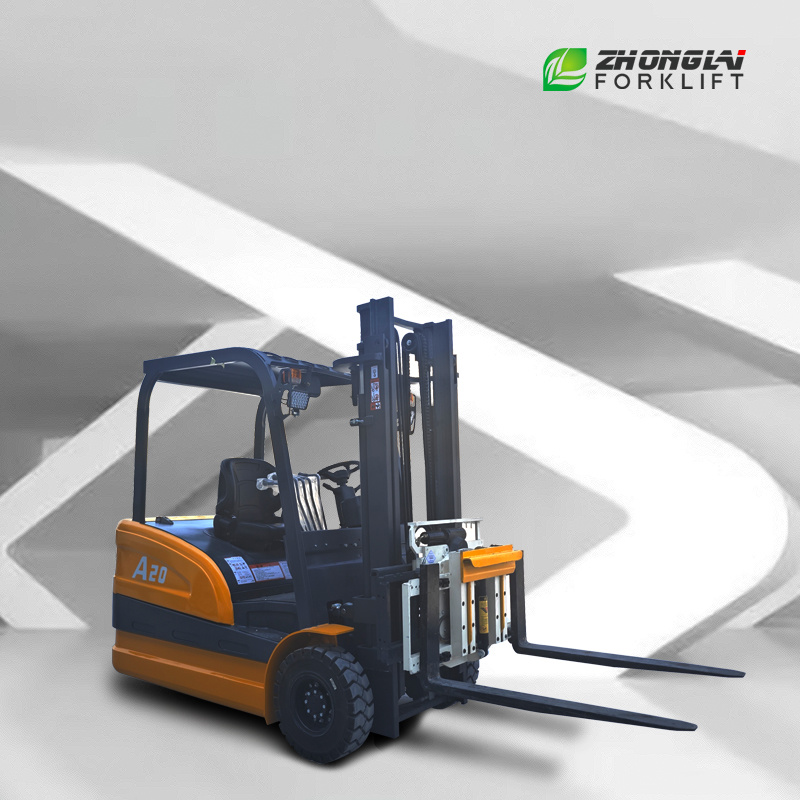
Why Electric Portable Forklifts Are Ideal for Urban Warehousing
Table of Contents
- Introduction to Electric Portable Forklifts
- Understanding Urban Warehousing Needs
- Advantages of Electric Forklifts for Urban Warehousing
- Space Efficiency: A Key Factor
- Environmental Impact of Electric Forklifts
- Safety Features of Electric Portable Forklifts
- Cost-Effectiveness of Electric Forklifts
- Future Trends in Urban Warehousing and Forklift Technology
- Frequently Asked Questions
- Conclusion
Introduction to Electric Portable Forklifts
In recent years, the logistics and warehousing sectors have undergone significant transformations, particularly in urban environments. As cities become more congested and land becomes scarcer, the demand for efficient, compact, and eco-friendly handling equipment has surged. Electric portable forklifts have emerged as a **game-changer** in urban warehousing, offering unparalleled flexibility and efficiency. In this article, we will explore why electric portable forklifts are ideally suited for urban warehousing, addressing their impact on productivity, environmental sustainability, and overall operational efficiency.
Understanding Urban Warehousing Needs
Urban warehousing presents unique challenges that differ from traditional logistics operations. As e-commerce continues to rise, so does the need for rapid inventory turnover and efficient space management. In densely populated areas, warehouses often occupy limited vertical and horizontal space, necessitating the use of equipment that can maneuver easily within tight confines.
**Key considerations** for urban warehousing include:
- **Space Constraints:** Urban warehouses must operate efficiently in limited square footage.
- **Quick Turnaround Times:** The demand for faster delivery times requires efficient handling equipment.
- **Operational Flexibility:** With varying storage needs, equipment must adapt to different inventory types and sizes.
- **Sustainability:** Regulatory pressures and consumer preferences are driving the need for green alternatives in logistics.
Electric portable forklifts rise to these challenges, combining compact design with robust performance characteristics.
Advantages of Electric Forklifts for Urban Warehousing
Electric portable forklifts stand out for several compelling reasons that align with the needs of urban warehousing.
1. Compact Design for Maneuverability
Unlike traditional forklifts, electric portable models are designed with a **smaller footprint**, allowing them to navigate tight aisles and congested warehouse layouts effortlessly. Their compact size enables operations in spaces where larger machines would struggle, maximizing the utilization of available storage area.
2. Quiet Operation
One of the defining features of electric forklifts is their **quiet operation**. This is particularly beneficial in urban environments where noise regulations may apply or where nearby residential areas demand a quieter working atmosphere. The reduction in noise pollution contributes to a more pleasant work environment and minimizes disturbances to surrounding communities.
3. Reduced Emissions and Environmental Impact
As cities grapple with air quality issues, electric forklifts offer a **sustainable alternative**. They produce zero emissions during operation, making them ideal for indoor warehousing and urban centers. The shift towards electric equipment aligns with global sustainability goals and helps businesses meet regulatory requirements aimed at reducing their carbon footprint.
Space Efficiency: A Key Factor
Urban warehouses must optimize every square foot of space. Electric portable forklifts are engineered for **space efficiency**, allowing operators to stack pallets higher, utilize narrow aisles, and access hard-to-reach areas. The following factors contribute to their space-saving capabilities:
1. Vertical Stacking Ability
With advancements in battery technology and design, electric forklifts can lift heavier loads to greater heights, allowing for efficient vertical storage. This innovative stacking capability maximizes the use of vertical space, freeing up more floor area for operations.
2. Narrow Aisle Capability
Many electric portable forklifts are designed for **narrow aisle operation**, enabling warehouses to reduce aisle widths without compromising maneuverability. This configuration allows for more racking systems to be installed within the same footprint, enhancing storage density.
Environmental Impact of Electric Forklifts
As concerns about climate change and urban pollution grow, businesses are prioritizing eco-friendly practices. Electric portable forklifts play a crucial role in this shift.
1. Compliance with Local Regulations
Cities often impose regulations aimed at reducing emissions from industrial operations. By adopting electric forklifts, urban warehouses can ensure compliance with these regulations while also improving their corporate image.
2. Energy Efficiency
Electric forklifts are known for their energy efficiency, consuming less power than their diesel counterparts. Many models are equipped with regenerative braking systems that recapture energy during operation, further enhancing overall efficiency.
Safety Features of Electric Portable Forklifts
Safety is paramount in any warehouse operation. Electric portable forklifts come equipped with advanced safety features that enhance operator and pedestrian safety.
1. Enhanced Visibility
Electric forklifts often feature improved visibility designs, including **clear sightlines** and integrated lighting systems. This design minimizes blind spots, helping operators navigate safely in bustling warehouse environments.
2. Stability Control Systems
Many modern electric forklifts include stability control systems that prevent tipping during operation. This technology aids in maintaining balance when navigating uneven surfaces or handling heavy loads.
Cost-Effectiveness of Electric Forklifts
While the initial investment in electric forklifts may be higher compared to traditional options, their long-term cost-effectiveness is undeniable.
1. Lower Operational Costs
Electric forklifts typically incur lower operating costs due to reduced fuel expenses and maintenance demands. With fewer moving parts compared to internal combustion engines, electric models require less frequent servicing, translating to cost savings over time.
2. Incentives and Rebates
Many governments offer incentives or rebates for businesses that invest in electric equipment, further enhancing the cost-effectiveness of electric forklifts. These financial benefits can significantly offset the initial purchase price, making them an attractive option for urban warehouses.
Future Trends in Urban Warehousing and Forklift Technology
As urban warehousing continues to evolve, several trends are shaping the future of electric portable forklifts.
1. Automation and Robotics
The integration of automation and robotics into warehouse operations is on the rise. Electric forklifts are increasingly becoming part of automated systems, allowing for seamless material handling and reduced labor costs.
2. Smart Technology Integration
Advancements in smart technology, including IoT (Internet of Things) capabilities, are enabling electric forklifts to become more intelligent. Wireless connectivity allows for real-time data tracking and analytics, improving operational efficiency and decision-making.
Frequently Asked Questions
1. What are the primary advantages of electric portable forklifts over traditional forklifts?
Electric portable forklifts offer lower emissions, quieter operation, maneuverability in tight spaces, and reduced operational costs.
2. How do electric forklifts perform in terms of lifting capacity?
Electric forklifts can match or exceed the lifting capacities of traditional forklifts, depending on the model and design.
3. Are electric forklifts suitable for outdoor use?
While many electric forklifts are designed for indoor use, certain models are suitable for outdoor applications, especially those with robust construction and weatherproof features.
4. What maintenance is required for electric forklifts?
Electric forklifts require minimal maintenance compared to their gas-powered counterparts. Regular battery checks, tire maintenance, and safety inspections are typically sufficient.
5. How do I choose the right electric forklift for my warehouse?
Consider factors such as the size of your warehouse, the types of loads you handle, and your budget. Consulting with a forklift specialist can also provide personalized recommendations.
Conclusion
Electric portable forklifts represent a significant advancement in urban warehousing, addressing the unique challenges of space constraints, environmental sustainability, and operational efficiency. Their compact design, lower emissions, and enhanced safety features make them an ideal choice for businesses navigating the complexities of urban logistics. As technology continues to evolve, electric forklifts will play an increasingly vital role in shaping the future of warehousing, enabling businesses to meet growing demands while promoting sustainability. Adopting these innovative machines not only enhances operational efficiency but also contributes to a greener, more sustainable urban environment.
Contact Us

Professional forklift manufacturer
Products Hotline:+86-19203299111
WhatsApp:+8613582499666
Email:sales@good-forklift.com
Wechat:+86-19203299111
Mobile website