

How Electric Forklift Stackers Can Significantly Reduce Operational Costs
Nov 13,2025
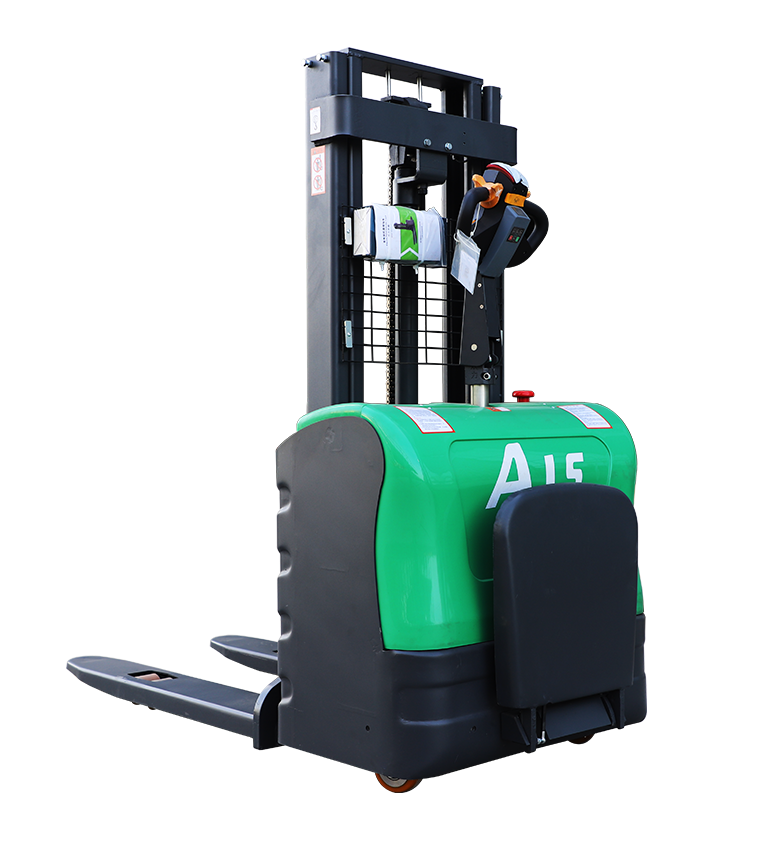
How Electric Forklift Stackers Can Significantly Reduce Operational Costs
Table of Contents
1. Introduction: The Need for Cost Efficiency in Warehousing
2. Understanding Electric Forklift Stackers
2.1 What Are Electric Forklift Stackers?
2.2 Key Features and Advantages
3. Cost Reduction Mechanisms of Electric Forklift Stackers
3.1 Lower Energy Consumption
3.2 Reduced Maintenance Costs
3.3 Enhanced Labor Efficiency
4. Environmental Impact and Sustainability
4.1 Lower Carbon Footprint
4.2 Compliance with Environmental Regulations
5. Integrating Electric Forklift Stackers into Your Operations
5.1 Assessing Your Warehouse Needs
5.2 Training and Safety Considerations
6. Real-World Case Studies
6.1 Success Stories from Various Industries
6.2 Quantifiable Cost Savings
7. Frequently Asked Questions (FAQs)
8. Conclusion: The Future of Warehouse Operations with Electric Forklift Stackers
1. Introduction: The Need for Cost Efficiency in Warehousing
In the fast-paced world of logistics and warehousing, managing operational costs is paramount. Companies are constantly searching for innovative solutions to enhance efficiency while minimizing expenses. Electric forklift stackers have emerged as a practical choice, offering a blend of technology, reliability, and cost-effectiveness. In this article, we will explore how integrating electric forklift stackers into your operations can lead to significant reductions in operational costs, ultimately driving profitability.
2. Understanding Electric Forklift Stackers
2.1 What Are Electric Forklift Stackers?
Electric forklift stackers are advanced material handling devices designed to lift and move goods within warehouses and distribution centers. Unlike traditional internal combustion engine forklifts, these stackers operate on electricity, making them an environmentally friendly option. They are particularly suited for tight spaces and high-rise racking systems, allowing for efficient stacking and retrieval of products.
2.2 Key Features and Advantages
Electric forklift stackers come equipped with several key features that enhance their operational efficiency. They often include:
- **Compact Design**: Ideal for narrow aisles and confined spaces.
- **Automatic Controls**: Simplify operation and reduce the likelihood of human error.
- **Low Noise Operation**: Perfect for environments where noise pollution is a concern.
- **Enhanced Visibility**: Improved operator sightlines for safer maneuverability.
These features contribute to their effectiveness in streamlining warehouse operations, making them a worthy investment for any logistics company.
3. Cost Reduction Mechanisms of Electric Forklift Stackers
3.1 Lower Energy Consumption
One of the most significant advantages of electric forklift stackers is their lower energy consumption compared to their gas or diesel counterparts. Electric models utilize energy-efficient technologies, translating to reduced electricity costs. By optimizing charging practices and utilizing off-peak electricity rates, businesses can further minimize their energy expenses.
3.2 Reduced Maintenance Costs
Electric forklift stackers require less maintenance than traditional forklifts due to fewer moving parts and the absence of combustion engines. This reduction in mechanical complexity leads to significant savings on repairs and servicing. Routine maintenance typically involves battery checks and periodic inspections, which are less costly than extensive engine repairs.
3.3 Enhanced Labor Efficiency
Electric stackers can improve labor efficiency through their ease of use and speed. Operators can quickly lift and transport goods, reducing the time spent on each task. Moreover, the ergonomic design of electric stackers helps reduce operator fatigue, allowing workers to maintain higher productivity levels throughout their shifts.
4. Environmental Impact and Sustainability
4.1 Lower Carbon Footprint
Switching to electric forklift stackers also benefits the environment. These machines produce zero emissions during operation, reducing the overall carbon footprint of warehouse operations. Companies committed to sustainability can appeal to eco-conscious consumers and align with global initiatives aimed at reducing greenhouse gas emissions.
4.2 Compliance with Environmental Regulations
As environmental regulations become increasingly stringent, businesses face pressure to comply with local and international standards. Electric forklift stackers meet these requirements, allowing companies to operate without the fear of penalties or fines associated with non-compliance.
5. Integrating Electric Forklift Stackers into Your Operations
5.1 Assessing Your Warehouse Needs
Before transitioning to electric forklift stackers, it is essential to assess your specific warehouse needs. Consider factors such as the size of your facility, the types of goods you handle, and your existing equipment. This assessment will help you determine the number and specifications of electric stackers required for optimal performance.
5.2 Training and Safety Considerations
To ensure a smooth transition, investing in operator training is crucial. Proper training programs can help employees become proficient in using electric stackers, ensuring safety and efficiency. Additionally, implementing safety protocols and regular equipment inspections will help maintain a secure working environment.
6. Real-World Case Studies
6.1 Success Stories from Various Industries
Many companies across different sectors have successfully integrated electric forklift stackers into their operations. For example, a major retail chain reported a 20% increase in efficiency and a 15% reduction in operational costs after switching to electric stackers. This success story highlights the potential benefits of making the switch.
6.2 Quantifiable Cost Savings
On average, businesses that have adopted electric forklift stackers experience a return on investment (ROI) within two years. These companies often see reduced energy costs, lower maintenance expenses, and increased productivity, all contributing to overall cost savings.
7. Frequently Asked Questions (FAQs)
7.1 What is the average lifespan of an electric forklift stacker?
Electric forklift stackers typically last between 7 to 10 years with proper maintenance, making them a durable investment.
7.2 How much can I save by switching to electric forklift stackers?
Savings can vary by operation, but many businesses report reductions of 20-30% in operational costs after transitioning.
7.3 Are electric forklift stackers suitable for outdoor use?
While primarily designed for indoor use, certain electric stackers are equipped for outdoor operations, but choosing the right model is essential.
7.4 Do electric forklift stackers require special charging equipment?
Yes, electric stackers require dedicated charging stations, which can be installed in your warehouse for convenience.
7.5 How do I choose the right electric forklift stacker for my warehouse?
Consider factors such as load capacity, lifting height, and your warehouse layout to select the most suitable model for your operations.
8. Conclusion: The Future of Warehouse Operations with Electric Forklift Stackers
In summary, electric forklift stackers represent a significant advancement in warehousing technology, providing a practical solution to reduce operational costs while improving efficiency and sustainability. As businesses continue to seek innovative ways to optimize their operations, the advantages of electric stackers become undeniable. By investing in this technology, companies can position themselves for long-term success in an increasingly competitive market. Embrace the future of material handling and reap the benefits of electric forklift stackers today!
Contact Us

Professional forklift manufacturer
Products Hotline:+86-19203299111
WhatsApp:+8613582499666
Email:sales@good-forklift.com
Wechat:+86-19203299111
Mobile website