

Best Practices for Operating Electric Portable Forklifts Safely: A Comprehensive Guide
Nov 11,2025
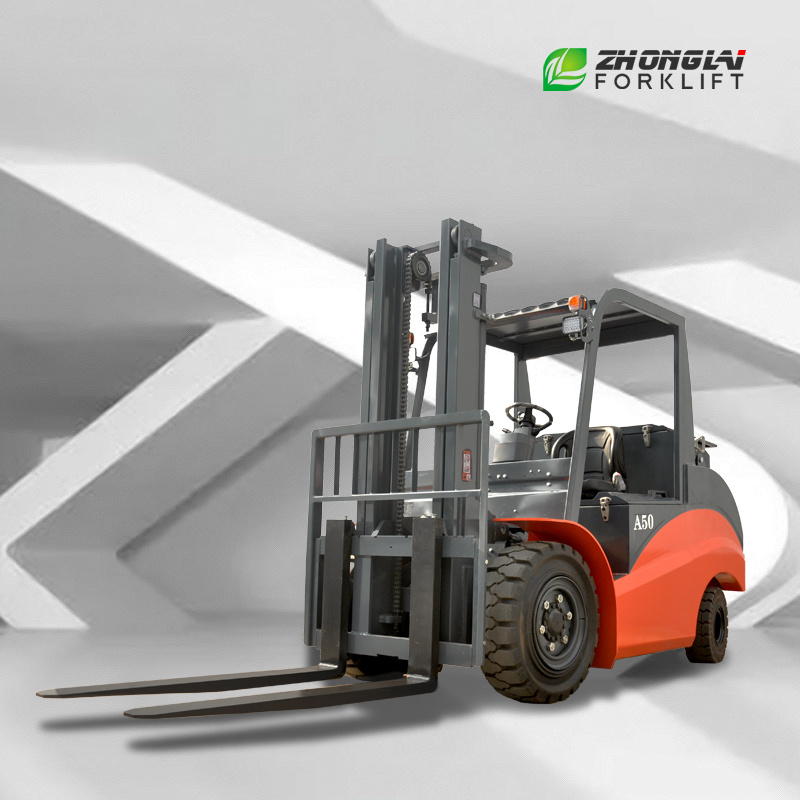
Best Practices for Operating Electric Portable Forklifts Safely
Table of Contents
1. Understanding Electric Portable Forklifts
2. Importance of Safety in Forklift Operations
3. Pre-Operational Safety Checks
3.1 Inspecting the Forklift
3.2 Checking Battery Levels
3.3 Ensuring Proper Load Capacity
4. Safe Operating Procedures
4.1 Training for Operators
4.2 Best Practices for Maneuvering
5. Load Handling Techniques
5.1 Proper Loading Methods
5.2 Maintaining Stability During Transport
6. Emergency Protocols
6.1 Responding to Accidents
6.2 Safety Equipment and Gear
7. Maintenance and Care for Electric Portable Forklifts
7.1 Routine Maintenance Checks
7.2 Troubleshooting Common Issues
8. Frequently Asked Questions (FAQs)
9. Conclusion
1. Understanding Electric Portable Forklifts
Electric portable forklifts are versatile machines designed for moving and lifting materials in various environments, from warehouses to construction sites. These forklifts are powered by electric batteries, which provide a cleaner and quieter alternative to traditional diesel or gas-powered forklifts. Their compact design makes them ideal for navigating tight spaces while still offering significant lifting capabilities.
2. Importance of Safety in Forklift Operations
Operating electric portable forklifts involves inherent risks. To minimize accidents and injuries, it is crucial to adopt a safety-first mindset. Implementing best practices not only protects operators and bystanders but also enhances efficiency and prolongs the lifespan of the equipment.
3. Pre-Operational Safety Checks
Before operating electric portable forklifts, conducting thorough pre-operational safety checks is essential. This practice ensures that the machine is in safe and optimal working condition.
3.1 Inspecting the Forklift
Start by performing a visual inspection of the forklift. Check for any visible signs of damage, such as cracks in the frame, leaks, or worn tires. Ensure that the forks are securely attached and are not bent or broken.
3.2 Checking Battery Levels
Electric forklifts rely on battery power. Regularly check battery levels before operation to avoid interruptions during work. Ensure the battery connections are clean and free of corrosion, as this affects performance.
3.3 Ensuring Proper Load Capacity
Understanding your forklift's load capacity is crucial. Each electric portable forklift has a specified weight limit, and exceeding this can lead to tipping or mechanical failure. Always consult the operator's manual for the correct specifications.
4. Safe Operating Procedures
Establishing safe operating procedures is vital for maintaining a safe workplace. Operators must be well-trained and familiar with the specific model of forklift they will be using.
4.1 Training for Operators
Comprehensive training programs for forklift operators should cover all aspects of safe operation, including the handling of loads, emergency procedures, and hazard recognition. Regular refresher courses can help keep skills sharp.
4.2 Best Practices for Maneuvering
When maneuvering an electric portable forklift, always look in the direction of travel. Use mirrors and checks for blind spots to avoid collisions. When turning, reduce speed and ensure the load remains stable.
5. Load Handling Techniques
Proper load handling techniques are essential for safety and efficiency.
5.1 Proper Loading Methods
Always load materials evenly across the forks and ensure that the center of gravity of the load is aligned with the forklift. Use appropriate securing methods, such as straps or nets, to stabilize the load during transport.
5.2 Maintaining Stability During Transport
Keep the forks at a low position while moving to enhance stability. If passing over uneven surfaces, reduce speed and make smooth adjustments to maintain control.
6. Emergency Protocols
Having emergency protocols in place can significantly reduce the impact of accidents.
6.1 Responding to Accidents
In the event of an accident, stop the forklift immediately and assess the situation. If there are injuries, call for medical assistance and provide first aid as needed. Document the incident for future reference.
6.2 Safety Equipment and Gear
Personal protective equipment (PPE) is vital when operating forklifts. Ensure operators wear appropriate safety gear, including helmets, gloves, and high-visibility clothing, to safeguard against injuries.
7. Maintenance and Care for Electric Portable Forklifts
Routine maintenance is key to ensuring the longevity and reliability of electric portable forklifts.
7.1 Routine Maintenance Checks
Schedule regular maintenance checks, including battery servicing, brake inspections, and tire checks. Keeping the forklift in top condition prevents breakdowns and enhances safety.
7.2 Troubleshooting Common Issues
Be aware of common issues that may arise with electric forklifts, such as battery malfunctions or hydraulic problems. Familiarize yourself with troubleshooting steps to address these issues promptly.
8. Frequently Asked Questions (FAQs)
What are the main safety features of electric portable forklifts?
Electric portable forklifts typically include features such as automatic braking systems, stability control, and load sensors to enhance safety during operation.
How often should electric portable forklifts be maintained?
Routine maintenance should be performed at least once a month, with more frequent checks for heavily used equipment.
Can operators use electric forklifts in outdoor settings?
Yes, electric forklifts can be used outdoors, but ensure they are rated for outdoor use and can handle the terrain and weather conditions.
What should I do if the forklift tips over?
If a forklift tips over, stay inside the cab and brace yourself. Do not attempt to exit until the forklift has come to a complete stop and it is safe to do so.
What is the difference between electric and gas forklifts?
Electric forklifts are powered by batteries and are usually quieter and more environmentally friendly, while gas forklifts offer more power and are better suited for outdoor use.
9. Conclusion
In summary, operating electric portable forklifts safely requires a robust understanding of best practices, from pre-operational checks to emergency protocols. By prioritizing safety and maintenance, businesses can ensure efficient operations and a safe working environment. Following these guidelines not only protects operators but also enhances productivity and equipment longevity. Adopting these best practices is essential for anyone involved in the transportation and warehousing industries, ensuring that all operations run smoothly and safely.
Contact Us

Professional forklift manufacturer
Products Hotline:+86-19203299111
WhatsApp:+8613582499666
Email:sales@good-forklift.com
Wechat:+86-19203299111
Mobile website