

Maximizing Efficiency with 3-Ton Electric Forklifts in Transportation and Warehousing
Nov 06,2025
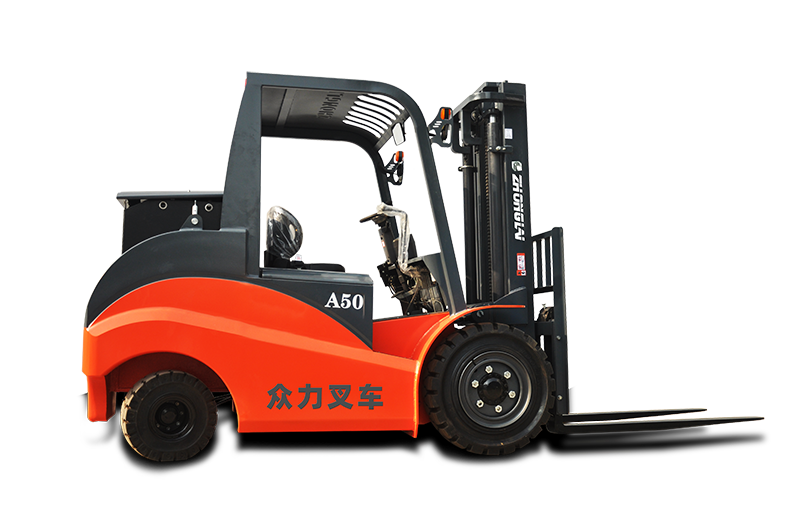
In the rapidly evolving landscape of the transportation and warehousing industries, the adoption of electric vehicles has gained significant traction. One of the most popular choices for material handling is the 3-ton electric forklift. This versatile equipment is particularly favored for its balance of power, efficiency, and environmental friendliness. Here’s what you need to know about electric forklifts of this capacity and how they can benefit your operations.
First and foremost, 3-ton electric forklifts are designed to handle a variety of tasks, from loading and unloading to transporting goods within a warehouse. Their lifting capacity makes them ideal for medium to heavy-duty applications, allowing businesses to optimize their workflow effectively. The electric drivetrain of these forklifts offers advantages over traditional internal combustion engines, including lower operating costs and reduced greenhouse gas emissions.
One of the standout features of electric forklifts is their quiet operation. This aspect not only enhances the working environment, reducing noise pollution, but also makes them suitable for indoor applications where noise regulations may be strict. Additionally, electric models come equipped with advanced technology such as regenerative braking, which captures energy during operation and feeds it back into the system, improving energy efficiency.
Another key benefit is the maintenance aspect. Electric forklifts generally require less maintenance than their diesel or gasoline counterparts. They have fewer moving parts, which translates to reduced wear and tear, and consequently lower maintenance costs. This durability can significantly impact your overall operational efficiency, allowing your workforce to focus on productivity rather than equipment downtime.
Moreover, 3-ton electric forklifts are an excellent choice for businesses aiming to enhance their sustainability initiatives. Transitioning to electric equipment can contribute to a greener supply chain, aligning with corporate social responsibility goals and improving brand image in the eyes of environmentally-conscious customers.
When considering the adoption of a 3-ton electric forklift, it is crucial to evaluate the specific needs of your operation. Factors such as battery life, charging infrastructure, and operational hours should align with your workflow to ensure maximum efficiency. Implementing proper training for your operators is also essential, as it can enhance safety and productivity.
In conclusion, investing in a 3-ton electric forklift can provide substantial benefits in the transportation and warehousing sectors. From increasing operational efficiency to contributing to sustainability efforts, these machines are not just tools but strategic assets for modern logistics. By understanding their features and best practices, businesses can leverage electric forklifts to streamline their processes and stay competitive in a challenging market environment.
First and foremost, 3-ton electric forklifts are designed to handle a variety of tasks, from loading and unloading to transporting goods within a warehouse. Their lifting capacity makes them ideal for medium to heavy-duty applications, allowing businesses to optimize their workflow effectively. The electric drivetrain of these forklifts offers advantages over traditional internal combustion engines, including lower operating costs and reduced greenhouse gas emissions.
One of the standout features of electric forklifts is their quiet operation. This aspect not only enhances the working environment, reducing noise pollution, but also makes them suitable for indoor applications where noise regulations may be strict. Additionally, electric models come equipped with advanced technology such as regenerative braking, which captures energy during operation and feeds it back into the system, improving energy efficiency.
Another key benefit is the maintenance aspect. Electric forklifts generally require less maintenance than their diesel or gasoline counterparts. They have fewer moving parts, which translates to reduced wear and tear, and consequently lower maintenance costs. This durability can significantly impact your overall operational efficiency, allowing your workforce to focus on productivity rather than equipment downtime.
Moreover, 3-ton electric forklifts are an excellent choice for businesses aiming to enhance their sustainability initiatives. Transitioning to electric equipment can contribute to a greener supply chain, aligning with corporate social responsibility goals and improving brand image in the eyes of environmentally-conscious customers.
When considering the adoption of a 3-ton electric forklift, it is crucial to evaluate the specific needs of your operation. Factors such as battery life, charging infrastructure, and operational hours should align with your workflow to ensure maximum efficiency. Implementing proper training for your operators is also essential, as it can enhance safety and productivity.
In conclusion, investing in a 3-ton electric forklift can provide substantial benefits in the transportation and warehousing sectors. From increasing operational efficiency to contributing to sustainability efforts, these machines are not just tools but strategic assets for modern logistics. By understanding their features and best practices, businesses can leverage electric forklifts to streamline their processes and stay competitive in a challenging market environment.
Contact Us

Professional forklift manufacturer
Products Hotline:+86-19203299111
WhatsApp:+8613582499666
Email:sales@good-forklift.com
Wechat:+86-19203299111
Mobile website