

Electric Forklift Stackers: Essential Safe Handling Practices for Operators
Nov 01,2025
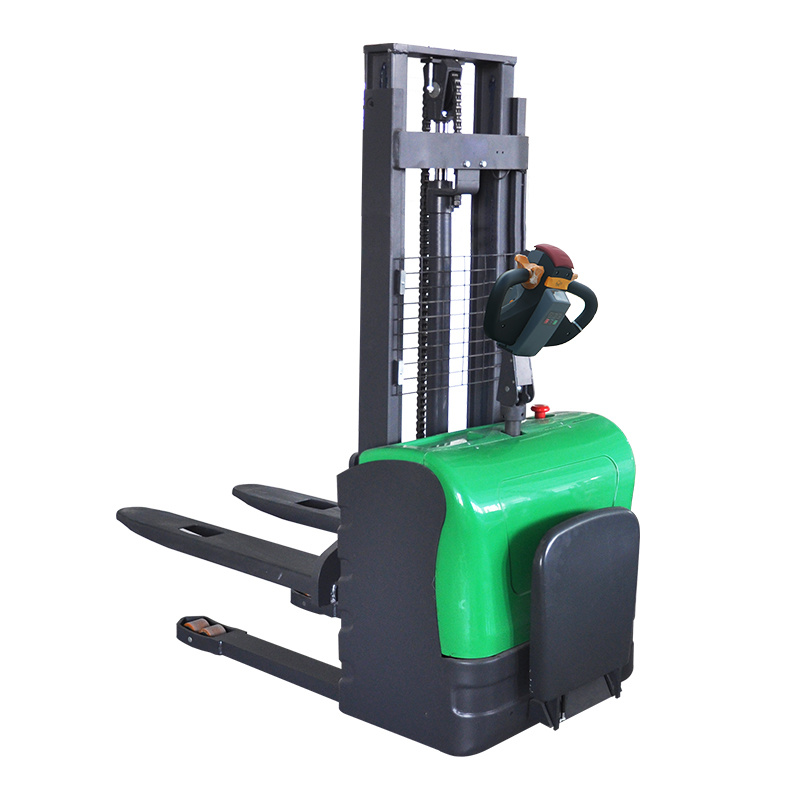
Electric Forklift Stackers: Essential Safe Handling Practices for Operators
Table of Contents
- Introduction to Electric Forklift Stackers
- Understanding Electric Forklift Stackers
- Importance of Safety Practices in Forklift Operation
- Pre-Operational Safety Checks for Electric Forklift Stackers
- Safe Operating Procedures for Electric Forklifts
- Load Handling Best Practices
- Operator Training and Certification Requirements
- Maintenance and Inspection of Electric Forklift Stackers
- Conclusion
- FAQs
Introduction to Electric Forklift Stackers
Electric forklift stackers are versatile machines widely used in warehouses, manufacturing facilities, and distribution centers. They are designed for stacking and moving goods efficiently while minimizing physical strain on operators. Nevertheless, operating these machines comes with inherent risks, making it imperative for operators to adhere to strict safety protocols. This article delves into essential handling practices that promote a safe working environment for operators of electric forklift stackers.
Understanding Electric Forklift Stackers
Electric forklift stackers are powered by electrical energy, providing a cleaner and quieter alternative to traditional internal combustion engine forklifts. These machines are equipped with advanced features that enhance productivity and safety, including lifting capabilities, maneuverability in tight spaces, and energy-efficient systems. Understanding how these stackers function and their components is crucial for operators to navigate their operational landscape effectively.
Components of Electric Forklift Stackers
Electric forklift stackers consist of several key components:
- **Mast**: The vertical assembly that raises and lowers the load.
- **Forks**: The horizontal prongs that lift and support the load.
- **Chassis**: The base frame that supports the stacker.
- **Control system**: Includes levers and buttons for steering and lifting.
- **Battery**: Powers the electric motor and is essential for operation.
Importance of Safety Practices in Forklift Operation
Ensuring safety during the operation of electric forklift stackers is critical for the well-being of operators and other personnel in the vicinity. Accidents can lead to severe injuries, financial losses, and damage to property. Implementing robust safety practices not only protects lives but also enhances operational efficiency and productivity.
Statistics on Forklift-Related Accidents
According to the Occupational Safety and Health Administration (OSHA), forklift accidents result in approximately 100 fatalities and 95,000 injuries annually in the United States alone. Proper training and adherence to safety practices can significantly reduce these statistics.
Pre-Operational Safety Checks for Electric Forklift Stackers
Before using an electric forklift stacker, operators must perform thorough pre-operational safety checks. These checks ensure that the equipment is in optimal condition and ready for safe operation.
Key Pre-Operational Safety Checkpoints
- **Visual Inspection**: Check for any visible damage to the stacker, including the forks, mast, and tires.
- **Battery Check**: Ensure the battery is fully charged and there are no leaks or corrosion.
- **Controls Functionality**: Test all operational controls to confirm they are functioning correctly.
- **Safety Features**: Verify that all safety features, such as horns, lights, and seat belts, are operational.
- **Load Capacity**: Confirm that the load does not exceed the manufacturer’s specified weight limits.
Safe Operating Procedures for Electric Forklifts
Adhering to safe operating procedures is vital for minimizing risks during forklift operation. Operators must be trained to follow these guidelines consistently.
Key Safe Operating Procedures
- **Stay Aware of Surroundings**: Always be mindful of pedestrians and obstacles in the vicinity.
- **Use Proper Signals**: Employ hand signals or communication devices when maneuvering in crowded areas.
- **Maintain Stability**: Ensure the load is balanced and secure before moving.
- **Avoid Overloading**: Never exceed the forklift's rated capacity.
- **Travel at Safe Speeds**: Reduce speed when turning or navigating tight spaces.
Load Handling Best Practices
Handling loads safely is a critical component of operating electric forklift stackers. Following best practices for load handling minimizes the risk of accidents and injuries.
Essential Load Handling Techniques
- **Positioning the Forks**: Adjust the forks to the appropriate width and height for the load.
- **Approaching the Load**: Drive the stacker straight towards the load to prevent instability.
- **Lifting the Load**: Lift the load slowly while ensuring it remains centered on the forks.
- **Transporting the Load**: Keep the load close to the ground for better stability and visibility.
- **Placing the Load**: Lower the load carefully and ensure it is stable before leaving the stacker.
Operator Training and Certification Requirements
Proper training and certification are essential for all electric forklift operators. Organizations must ensure that operators are knowledgeable about the equipment and safety practices.
Training Components
- **Theory Training**: Covers basic principles of forklift operation, safety regulations, and load handling.
- **Practical Training**: Involves hands-on experience under the supervision of a qualified trainer.
- **Evaluation**: Operators must pass a competency evaluation to demonstrate their skills.
Maintenance and Inspection of Electric Forklift Stackers
Regular maintenance and inspections are crucial for ensuring the longevity and safe operation of electric forklift stackers. A proactive approach to maintenance can prevent breakdowns and accidents.
Routine Maintenance Tasks
- **Daily Inspections**: Operators should conduct daily inspections before starting work to identify any potential issues.
- **Scheduled Maintenance**: Follow the manufacturer's recommended maintenance schedule for inspections and repairs.
- **Battery Maintenance**: Regularly check battery fluid levels and clean terminals to ensure optimal performance.
- **Tire Checks**: Inspect tires for wear and proper inflation to maintain stability and control.
Conclusion
Electric forklift stackers play an essential role in modern logistics and material handling. However, the safety of operators and other personnel must remain a top priority. By following the outlined safe handling practices, conducting pre-operational checks, adhering to safe operating procedures, and ensuring proper training, organizations can create a safer working environment. Proactive maintenance further enhances the reliability of electric forklift stackers, ultimately contributing to improved productivity and efficiency in operations.
FAQs
1. What are the main safety concerns when operating electric forklift stackers?
The primary safety concerns include load stability, operator visibility, and the presence of pedestrians in the operating area.
2. How often should electric forklift stackers be inspected?
Electric forklift stackers should undergo daily pre-operational inspections, with more thorough inspections conducted according to the manufacturer's recommended maintenance schedule.
3. What training is required for electric forklift operators?
Operators must complete both theoretical and practical training and pass a competency evaluation to ensure they can safely operate electric forklift stackers.
4. Can electric forklift stackers be used outdoors?
While electric forklift stackers are primarily designed for indoor use, some models are suitable for outdoor operations under specific conditions. Always consult the manufacturer's guidelines.
5. What should I do if I encounter an issue during operation?
If an issue arises while operating the stacker, stop immediately, secure the area, and report the problem to a supervisor for further assessment and action.
Contact Us

Professional forklift manufacturer
Products Hotline:+86-19203299111
WhatsApp:+8613582499666
Email:sales@good-forklift.com
Wechat:+86-19203299111
Mobile website