

Electric Portable Forklifts: Innovations Driving the Industry Forward
Oct 24,2025
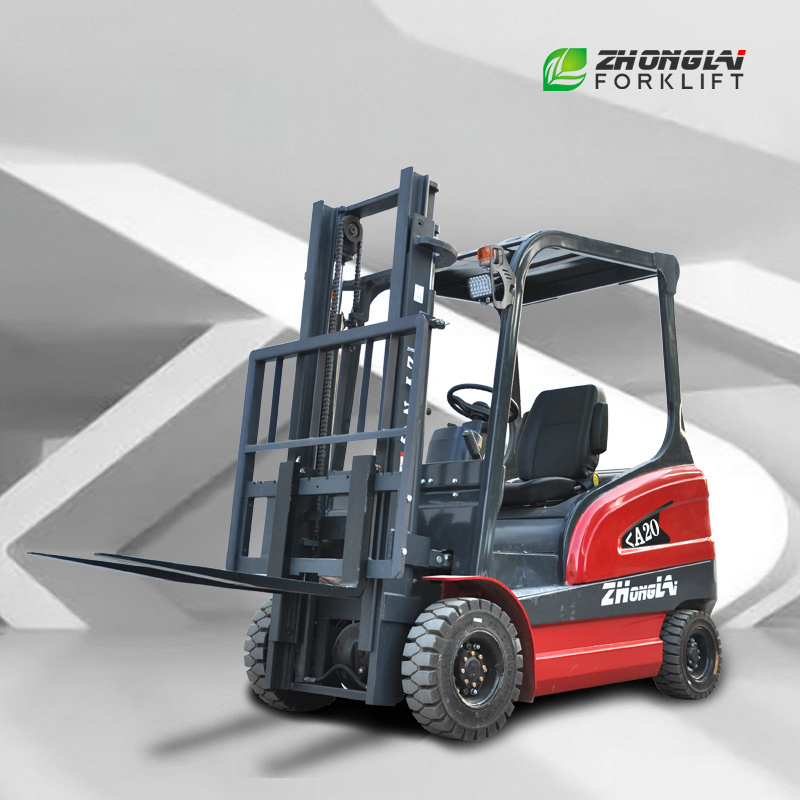
Electric Portable Forklifts: Innovations Driving the Industry Forward
Table of Contents
1. Introduction to Electric Portable Forklifts
2. Evolution of Forklift Technology
3. Key Innovations in Electric Portable Forklifts
3.1. Battery Technology Advancements
3.2. Smart Features and IoT Integration
3.3. Enhanced Safety Features
4. Benefits of Electric Portable Forklifts
4.1. Cost Efficiency
4.2. Environmental Benefits
4.3. Improved Operator Comfort
5. Applications of Electric Portable Forklifts
5.1. Warehousing and Distribution Centers
5.2. Retail and Grocery Stores
5.3. Manufacturing Facilities
6. Future Trends in Electric Portable Forklifts
7. Frequently Asked Questions (FAQs)
8. Conclusion
1. Introduction to Electric Portable Forklifts
Electric portable forklifts have emerged as a game-changer in the material handling industry. With their compact design, superior maneuverability, and reduced emissions, these forklifts are becoming increasingly popular in various sectors. As businesses seek more efficient and sustainable solutions for transporting goods, the demand for electric forklifts continues to grow. This article delves into the innovations driving this trend and highlights the key advancements transforming the forklift landscape.
2. Evolution of Forklift Technology
The history of forklifts dates back to the early 20th century, where mechanical devices were used to lift heavy loads in warehouses. However, recent technology has propelled the industry into a new era. The shift from internal combustion engines to electric-powered systems marks a significant evolution, leading to improved performance and reduced environmental impact. Electric portable forklifts represent the pinnacle of this evolution, combining cutting-edge technology with user-friendly designs.
3. Key Innovations in Electric Portable Forklifts
As the industry pushes boundaries, several key innovations are emerging in electric portable forklifts. These advancements not only enhance operational efficiency but also improve safety and sustainability.
3.1. Battery Technology Advancements
The heart of any electric forklift is its battery. Recent advancements in lithium-ion and solid-state battery technologies have led to significant improvements in energy density, charging times, and lifespan. These batteries offer higher performance levels, enabling forklifts to operate longer on a single charge, thus increasing productivity and reducing downtime.
3.2. Smart Features and IoT Integration
The integration of smart technology and the Internet of Things (IoT) has transformed how electric portable forklifts operate. Features such as real-time monitoring, fleet management systems, and predictive maintenance analytics help operators optimize performance and minimize costs. By leveraging data, businesses can make informed decisions to enhance efficiency and reduce operational risks.
3.3. Enhanced Safety Features
Safety is paramount in material handling operations. Electric portable forklifts now come equipped with advanced safety features such as automatic braking systems, load sensors, and enhanced visibility options. These innovations reduce the risk of accidents and ensure a safer working environment for operators and pedestrians alike.
4. Benefits of Electric Portable Forklifts
The adoption of electric portable forklifts offers numerous benefits that can significantly impact a company's bottom line.
4.1. Cost Efficiency
Electric forklifts generally have lower operating costs compared to their gas or diesel counterparts. They require less maintenance, have fewer moving parts, and utilize cheaper electricity instead of expensive fuel. Furthermore, the increased efficiency of electric models means less downtime and higher productivity, leading to greater profitability.
4.2. Environmental Benefits
With the global push towards sustainability, electric portable forklifts present an eco-friendly alternative. They produce zero emissions, helping businesses reduce their carbon footprint. By choosing electric models, companies contribute to a cleaner environment while also meeting regulatory requirements for emissions.
4.3. Improved Operator Comfort
Operator comfort and ergonomics are critical in enhancing productivity. Electric portable forklifts are designed with adjustable seating, intuitive controls, and minimal noise levels. These features reduce operator fatigue and improve overall job satisfaction, leading to better performance and retention rates in the workforce.
5. Applications of Electric Portable Forklifts
Electric portable forklifts are versatile and can be utilized across various industries, enhancing efficiency in diverse applications.
5.1. Warehousing and Distribution Centers
In warehousing and distribution settings, electric portable forklifts streamline operations by efficiently moving goods from one location to another. Their compact size allows for navigation in tight spaces, making them ideal for high-density storage environments.
5.2. Retail and Grocery Stores
Retail environments benefit from electric forklifts when restocking shelves or moving heavy merchandise. Their quiet operation is particularly advantageous in customer-facing areas, providing a seamless shopping experience while maintaining high productivity levels.
5.3. Manufacturing Facilities
In manufacturing, electric forklifts facilitate the movement of raw materials and finished products. Their reliability and low maintenance requirements make them an essential tool for manufacturers looking to optimize their production lines.
6. Future Trends in Electric Portable Forklifts
The future of electric portable forklifts is promising. As technology continues to advance, trends such as increased automation, enhanced connectivity, and further improvements in battery technology are expected to dominate the market. Innovations will likely focus on enhancing the user experience and developing more sustainable practices within the industry.
7. Frequently Asked Questions (FAQs)
What are the advantages of electric forklifts over internal combustion forklifts?
Electric forklifts offer lower operating costs, reduced emissions, and quieter operation compared to internal combustion models. They also require less maintenance, leading to increased uptime and productivity.
How long do electric forklift batteries last?
The lifespan of electric forklift batteries varies but typically ranges from 4 to 7 years, depending on usage, maintenance, and charging practices.
Can electric forklifts be used outdoors?
While electric forklifts can be used outdoors, they are best suited for indoor applications. If outdoor use is required, it is essential to ensure the model is designed for such conditions, including weather-resistant features.
What maintenance is required for electric forklifts?
Electric forklifts require regular checks on battery health, tire condition, and overall mechanical functioning. Routine maintenance is essential to ensure optimal performance and longevity.
Are electric forklifts more expensive than gas forklifts?
The initial cost of electric forklifts may be higher than gas models, but the long-term savings on fuel and maintenance often make them more economical over their lifespan.
8. Conclusion
Electric portable forklifts are at the forefront of innovation within the transportation and warehousing sectors. With advanced features, cost efficiencies, and environmental benefits, they represent a significant leap forward in material handling technology. As the industry continues to evolve, embracing these innovations will be crucial for businesses aiming to maintain competitiveness and sustainability in a rapidly changing market. By investing in electric portable forklifts, companies can enhance their operational efficiency while contributing to a greener future.
Contact Us

Professional forklift manufacturer
Products Hotline:+86-19203299111
WhatsApp:+8613582499666
Email:sales@good-forklift.com
Wechat:+86-19203299111
Mobile website