

The Importance of Training for Electric Forklift Stacker Operators
Oct 20,2025
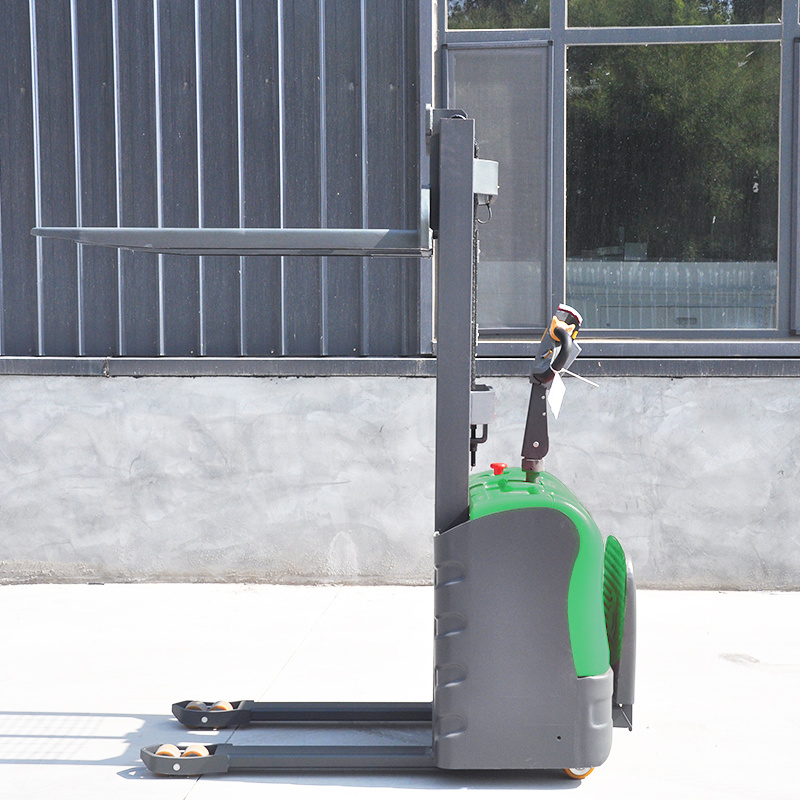
The Importance of Training for Electric Forklift Stacker Operators
Introduction: Understanding the Role of Electric Forklift Stackers
In today’s fast-paced logistics and warehousing environments, electric forklift stackers play a pivotal role in optimizing operations. These versatile machines are essential for lifting, stacking, and moving materials efficiently. However, the effectiveness of these machines heavily relies on the skill and training of the operators behind the wheel.
Proper training for electric forklift stacker operators not only enhances operational efficiency but also significantly contributes to workplace safety. It is crucial for organizations to invest in comprehensive training programs to ensure their operators are well-equipped to handle these powerful machines.
Why Electric Forklift Stacker Training is Crucial
1. Enhancing Workplace Safety
One of the primary reasons for investing in training programs is to ensure workplace safety. **Accidents involving forklifts can lead to severe injuries and even fatalities**. According to the Occupational Safety and Health Administration (OSHA), forklift-related incidents account for a significant percentage of workplace accidents. By providing thorough training, operators can learn how to navigate potential hazards and maintain safe operating procedures, thereby reducing the risk of accidents.
2. Boosting Productivity and Efficiency
Trained operators can work more efficiently compared to those without proper training. They understand the machine’s capabilities and limitations, allowing them to use electric forklift stackers more effectively. **This leads to faster loading and unloading times, reduced downtime, and optimized workflow**. Ultimately, well-trained operators contribute significantly to an organization’s overall productivity.
3. Ensuring Compliance with Regulations
Organizations are required to comply with various safety standards and regulations, including those set forth by OSHA. **Failure to comply can result in hefty fines and legal repercussions**. Training programs ensure that operators are familiar with these regulations, thereby safeguarding the organization from possible legal issues.
The Components of an Effective Electric Forklift Stacker Training Program
1. Theoretical Knowledge
Understanding the theoretical aspects of electric forklift stackers is essential for operators. This includes knowledge about the forklift’s mechanics, load capacity, and safety protocols. Training should cover the following topics:
- **Types of electric forklifts**
- **Basic machine parts and functions**
- **Load handling and weight distribution**
- **Safety regulations and best practices**
2. Practical Training
Hands-on experience is a vital component of any training program. Operators should engage in practical sessions where they can operate electric forklift stackers in controlled environments. This allows them to:
- Practice maneuvering techniques
- Learn how to perform daily inspections and maintenance
- Gain experience in handling different types of loads
3. Assessment and Certification
Upon completing the training program, operators should undergo an assessment to evaluate their skills and knowledge. Certification validates their competency, making them more marketable and ensuring employers that they can safely operate electric forklift stackers.
Benefits of Certification for Electric Forklift Operators
1. Increased Employability
Certification can significantly enhance an operator’s employability. Many employers prefer hiring certified operators, as it reflects their commitment to safety and professionalism. **Certification can open doors to higher-paying job opportunities** and career advancement.
2. Reduced Insurance Costs
Insurers often provide discounts on premiums for businesses that employ certified operators. This can lead to significant cost savings over time, making investment in training more financially viable for employers.
3. Improved Workplace Morale
When employees feel safe at work, their morale improves. Proper training fosters a culture of safety, resulting in a more positive and productive work environment. **Employees who are confident in their safety are more likely to perform their tasks effectively**.
Challenges in Electric Forklift Stacker Training
1. Keeping Up with Technology
As electric forklifts evolve with technology, training programs must continuously adapt to incorporate new features and safety measures. This can present challenges for trainers who must stay updated on the latest advancements.
2. Scheduling Training Sessions
Finding suitable times for training can be difficult, especially in busy workplaces. Companies must balance training needs with operational demands to minimize disruptions while ensuring all operators receive adequate training.
Best Practices for Conducting Electric Forklift Stacker Training
1. Tailoring Training to Specific Needs
Training programs should be customized based on the specific needs of the organization and the skill levels of the operators. This personalization ensures that the training is relevant and effective.
2. Utilizing Experienced Trainers
Experienced trainers can provide invaluable insights and practical knowledge during training sessions. Their expertise can greatly enhance the learning experience for operators.
3. Incorporating Technology in Training
Utilizing simulators and e-learning platforms can make training more engaging and effective. **Technology can provide operators with realistic scenarios to practice in a safe environment**, allowing them to learn without risks.
Conclusion: Investing in Future Safety and Efficiency
Training for electric forklift stacker operators is not just a regulatory requirement; it's an essential investment in workplace safety, productivity, and employee confidence. By prioritizing comprehensive, tailored training programs, organizations can significantly reduce workplace accidents, boost operational efficiency, and ensure compliance with regulations.
In a world where logistics and warehousing are becoming increasingly complex, the importance of well-trained operators cannot be overstated. The benefits of investing in training extend not only to the operators themselves but also to the organization as a whole. By fostering a culture of safety and competence, businesses can pave the way for a brighter, more efficient future.
FAQs
1. How long does it typically take to train an electric forklift stacker operator?
Training duration can vary but typically ranges from a few days to several weeks, depending on the program's depth and the operator's prior experience.
2. What are the costs associated with training electric forklift stacker operators?
Costs can vary based on the training provider, program length, and certification type. Companies should consider this as an investment in safety and productivity.
3. Is certification required for electric forklift operators?
While certification may not be legally required in all areas, it is highly recommended to enhance safety and compliance with workplace regulations.
4. Can training be conducted in-house?
Yes, many organizations choose to conduct in-house training using experienced staff or external trainers to ensure convenience and relevance.
5. What should be included in an operator's training manual?
An effective training manual should cover safety protocols, machine operation guidelines, maintenance procedures, and emergency response actions.
By focusing on these aspects, organizations can ensure that their electric forklift stacker operators are well-prepared to handle the demands of their roles safely and effectively.
Contact Us

Professional forklift manufacturer
Products Hotline:+86-19203299111
WhatsApp:+8613582499666
Email:sales@good-forklift.com
Wechat:+86-19203299111
Mobile website