

The Transformative Impact of Electric Portable Forklifts on Warehouse Productivity
Oct 06,2025
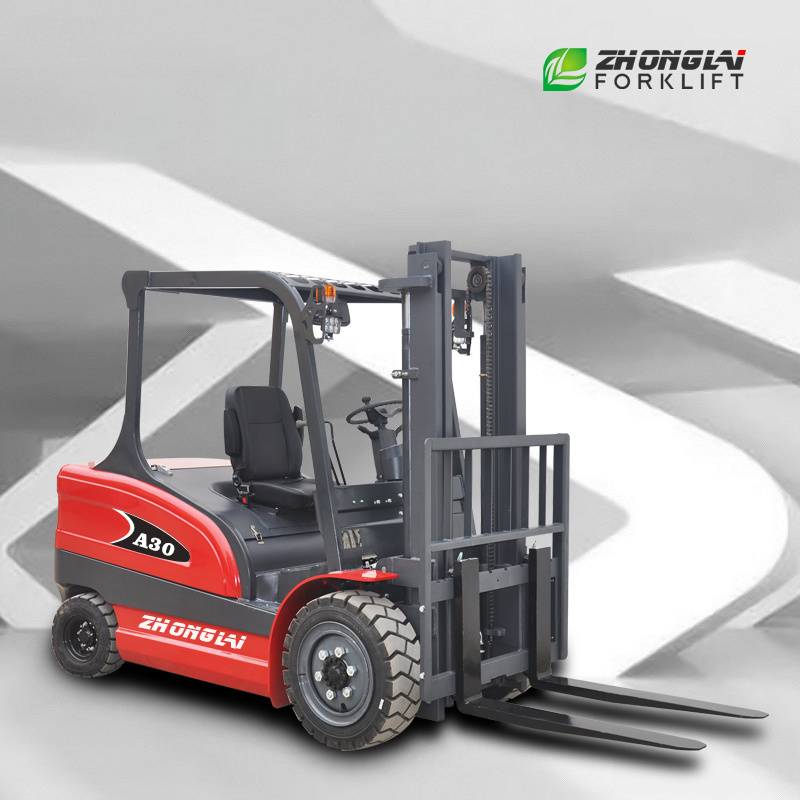
The Transformative Impact of Electric Portable Forklifts on Warehouse Productivity
In today's fast-paced logistics environment, warehouses must adapt to evolving demands for efficiency and productivity. One of the most significant advancements in this regard is the rise of electric portable forklifts. These innovative machines are not just tools; they represent a paradigm shift in how warehouses operate. In this article, we will explore the profound impact of electric portable forklifts on warehouse productivity, from their efficiency enhancements to cost reductions.
Table of Contents
- 1. Understanding Electric Portable Forklifts
- 2. Key Benefits of Electric Portable Forklifts
- 3. Enhancing Warehouse Efficiency with Electric Forklifts
- 4. Safety Considerations for Electric Portable Forklifts
- 5. Cost-Benefit Analysis of Electric Portable Forklifts
- 6. Future Trends in Electric Forklift Technology
- 7. Case Studies: Success Stories of Electric Forklifts in Warehouses
- 8. Frequently Asked Questions (FAQs)
- 9. Conclusion
1. Understanding Electric Portable Forklifts
Electric portable forklifts are designed to provide flexibility and efficiency in material handling. Unlike traditional forklifts that rely on diesel or gasoline, these electric models operate on rechargeable batteries, making them more environmentally friendly and cost-effective. Their compact size allows for maneuverability in tight spaces, making them ideal for warehouses where space is at a premium. As businesses strive for sustainable practices, the shift towards electric portable forklifts aligns perfectly with these goals.
2. Key Benefits of Electric Portable Forklifts
2.1 Improved Energy Efficiency
One of the standout features of electric portable forklifts is their energy efficiency. These forklifts consume significantly less energy than their gas-powered counterparts. By utilizing advanced battery technology, they can handle more tasks on a single charge, leading to less downtime for recharging and more productivity overall.
2.2 Reduced Noise Pollution
Electric portable forklifts operate quietly compared to traditional forklifts. This reduction in noise pollution enhances the working environment for employees and contributes to compliance with local noise regulations, particularly in urban settings.
2.3 Lower Emission Levels
Electric forklifts produce zero emissions at the point of use, making them a sustainable choice for warehouses aiming to reduce their carbon footprint. This is particularly relevant as more businesses commit to sustainability and environmental responsibility.
3. Enhancing Warehouse Efficiency with Electric Forklifts
3.1 Streamlined Operations
Electric portable forklifts are equipped with advanced technology that enables streamlined operations. Features such as regenerative braking, enhanced steering, and intuitive controls make these forklifts easier to operate, reducing the learning curve for new employees and allowing for faster training times.
3.2 Increased Loading and Unloading Speeds
The speed at which electric portable forklifts can load and unload goods is another significant advantage. Their agility enables warehouse staff to move products more quickly, increasing overall throughput and enabling warehouses to meet tight deadlines.
4. Safety Considerations for Electric Portable Forklifts
4.1 Enhanced Safety Features
Modern electric portable forklifts come equipped with various safety features, including automatic braking systems, stability control, and advanced lighting systems. These innovations significantly reduce the risk of accidents in busy warehouse environments, ensuring a safer workplace for employees.
4.2 Training and Certification
While electric forklifts are designed with safety in mind, proper training is essential. Ensuring that all operators are certified and well-trained helps to minimize accidents and maximize the efficiency of operations.
5. Cost-Benefit Analysis of Electric Portable Forklifts
5.1 Initial Investment vs. Long-term Savings
Although the initial investment for electric portable forklifts may be higher than traditional forklifts, the long-term savings can be substantial. Reduced fuel costs, lower maintenance expenses, and increased productivity can lead to a favorable return on investment (ROI) over time.
5.2 Maintenance and Operating Costs
Electric forklifts generally require less maintenance compared to internal combustion forklifts. The absence of oil changes and fewer moving parts translates to lower operating costs, making them a financially sensible choice for many warehouses.
6. Future Trends in Electric Forklift Technology
6.1 Advancements in Battery Technology
The future of electric portable forklifts is closely tied to advancements in battery technology. Innovations such as faster charging times and increased battery life are expected to further enhance the efficiency and usability of these machines in warehouse settings.
6.2 Integration of IoT and Automation
As the Internet of Things (IoT) continues to evolve, the integration of smart technologies in electric forklifts is anticipated. Features like real-time tracking, automated diagnostics, and predictive maintenance could revolutionize how warehouses operate, leading to even greater productivity gains.
7. Case Studies: Success Stories of Electric Forklifts in Warehouses
7.1 Case Study 1: A Leading Retail Warehouse
A prominent retail warehouse in the Midwest implemented a fleet of electric portable forklifts and reported a 30% increase in productivity within the first year. The transition not only improved efficiency but also enhanced employee satisfaction due to quieter working conditions.
7.2 Case Study 2: A Food Distribution Center
A food distribution center adopted electric forklifts and experienced a significant reduction in energy costs. The facility noted a 40% decrease in operational costs related to fuel consumption and maintenance, allowing them to allocate resources to other critical areas of their operations.
8. Frequently Asked Questions (FAQs)
8.1 What is the primary advantage of using electric portable forklifts?
The primary advantage is their energy efficiency, reduced operating costs, and lower environmental impact.
8.2 How long do electric forklift batteries typically last?
Most electric forklift batteries can last between 5 to 10 years, depending on usage and maintenance.
8.3 Are electric forklifts suitable for outdoor use?
While some electric forklifts can be used outdoors, they are primarily designed for indoor use. It's essential to choose models specifically rated for outdoor conditions.
8.4 What kind of maintenance do electric forklifts require?
Electric forklifts require less maintenance than gas-powered models but still need regular checks on the battery, tires, and brakes.
8.5 Can electric forklifts handle heavy loads?
Yes, electric forklifts are designed to handle varying load capacities, often comparable to traditional forklifts, depending on the model.
9. Conclusion
The introduction of electric portable forklifts marks a significant advancement in warehouse operations, offering numerous benefits that enhance productivity, safety, and sustainability. As technology continues to evolve, the potential for electric forklifts to further transform warehousing practices is immense. By investing in these innovative machines, warehouses can not only improve their operational efficiency but also contribute to a more sustainable future. Embracing electric portable forklifts is not just a trend; it’s a strategic move towards optimizing logistics and setting a new standard for productivity in the industry.
Contact Us

Professional forklift manufacturer
Products Hotline:+86-19203299111
WhatsApp:+8613582499666
Email:sales@good-forklift.com
Wechat:+86-19203299111
Mobile website