

Innovative Technologies in Electric Forklift Stackers: Revolutionizing Material Handling
Oct 02,2025
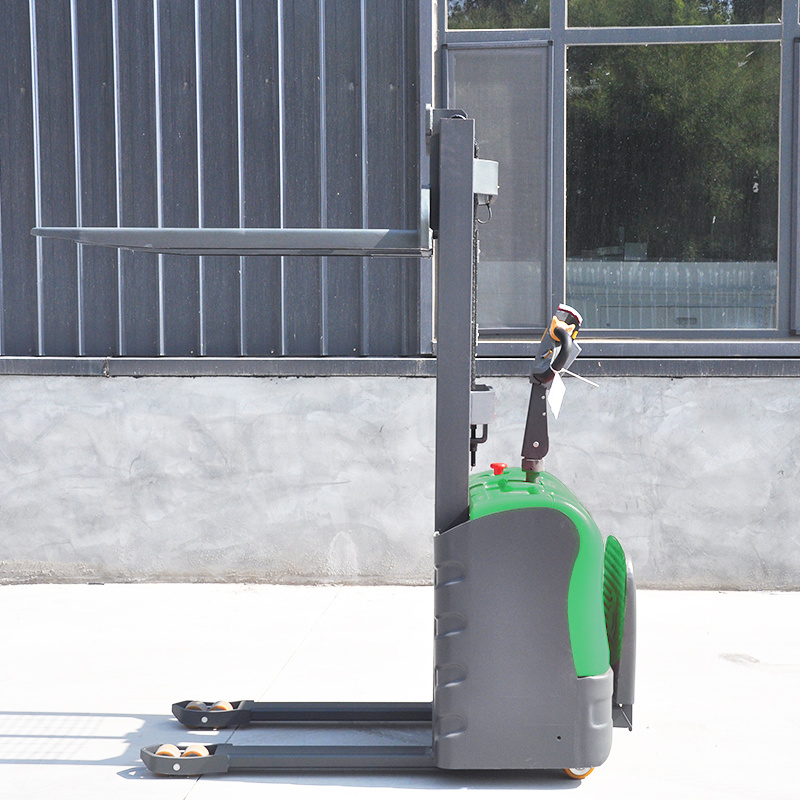
Innovative Technologies in Electric Forklift Stackers You Should Know
Electric forklift stackers have become a cornerstone of modern material handling, revolutionizing the way warehouses and distribution centers operate. With the push towards sustainability and efficiency, these vehicles are evolving rapidly, integrating innovative technologies to meet the demands of today's logistics landscape. In this article, we will delve into the cutting-edge advancements in electric forklift stackers, exploring how they enhance productivity, safety, and environmental sustainability.
Table of Contents
- 1. Introduction to Electric Forklift Stackers
- 2. Key Technological Advancements in Electric Forklift Stackers
- 3. The Role of Smart Technologies
- 4. Advancements in Battery Technology
- 5. Safety Innovations in Electric Forklift Stackers
- 6. Enhancing Sustainability in Material Handling
- 7. Future Trends in Electric Forklift Technology
- 8. Frequently Asked Questions
- 9. Conclusion
1. Introduction to Electric Forklift Stackers
Electric forklift stackers are designed to efficiently lift and transport heavy loads in warehouses, factories, and distribution centers. With their maneuverability and ease of use, these electric-powered vehicles are replacing traditional internal combustion forklifts, primarily due to their lower emissions and operational costs. As companies strive for more sustainable practices, electric forklift stackers are paving the way for a greener future in logistics.
2. Key Technological Advancements in Electric Forklift Stackers
The last few years have witnessed significant advancements in electric forklift stackers, driven by technological innovation and the rising demands of the market. Some of the key areas of development include:
2.1 Enhanced Control Systems
Modern electric forklift stackers are equipped with advanced control systems that improve handling and operations. These systems utilize dynamic control technology, allowing operators to manage the vehicle’s speed, acceleration, and braking with precision.
2.2 Integration of IoT (Internet of Things)
The integration of IoT in electric forklift stackers provides real-time data analytics, enhancing operational efficiency. With IoT sensors, operators can monitor equipment performance, track load weights, and assess battery health, enabling proactive maintenance and reducing downtime.
3. The Role of Smart Technologies
Smart technologies have transformed electric forklift stackers into highly efficient machines capable of performing complex tasks. Key developments in this area include:
3.1 Autonomous Navigation
Autonomous electric forklift stackers are revolutionizing the material handling industry. These vehicles use advanced sensors and artificial intelligence (AI) to navigate warehouses without human intervention. This technology not only improves efficiency but also reduces the risk of accidents.
3.2 Fleet Management Software
Implementing fleet management software enables companies to optimize their electric forklift operations. This software provides insights into usage patterns, maintenance schedules, and overall fleet performance, helping businesses make informed decisions that enhance productivity.
4. Advancements in Battery Technology
Battery technology has seen tremendous progress, making electric forklift stackers more reliable and efficient. Innovations include:
4.1 Lithium-Ion Batteries
Lithium-ion batteries are becoming the standard in electric forklifts due to their longer lifespan, faster charging capabilities, and higher energy density compared to traditional lead-acid batteries. These batteries allow for more efficient operations, reducing the need for frequent replacements.
4.2 Smart Charging Solutions
Smart charging solutions help optimize charging times and schedules, reducing energy costs and prolonging battery life. Features such as opportunity charging allow forklifts to recharge during breaks, minimizing downtime and maximizing operational efficiency.
5. Safety Innovations in Electric Forklift Stackers
Safety is paramount in any material handling operation. Innovative safety features in electric forklift stackers include:
5.1 Collision Avoidance Systems
Modern electric forklift stackers are equipped with advanced collision avoidance systems that use proximity sensors and cameras to detect obstacles. These systems alert operators to potential hazards, significantly reducing accident risks.
5.2 Ergonomic Designs
Ergonomically designed electric forklift stackers prioritize operator comfort and safety. Features such as adjustable seats, intuitive controls, and minimal noise levels contribute to a safer and more enjoyable working environment.
6. Enhancing Sustainability in Material Handling
The push for sustainability is reshaping the logistics sector, with electric forklift stackers leading the way. Significant benefits include:
6.1 Reduced Carbon Footprint
Electric forklift stackers produce zero emissions during operation, significantly lowering the carbon footprint of warehouses. By transitioning to electric models, companies can contribute to a more sustainable future.
6.2 Energy Efficiency
Electric forklifts are inherently more energy-efficient than their internal combustion counterparts. With advancements in battery technology and smart charging solutions, electric stackers consume less energy, leading to lower operational costs and reduced environmental impact.
7. Future Trends in Electric Forklift Technology
The future of electric forklift stackers is poised for further innovation. Expected trends include:
7.1 Increased Adoption of Autonomous Systems
As technology advances, we can expect to see a greater adoption of fully autonomous electric forklift stackers in warehouses. These systems will operate seamlessly alongside human workers, enhancing efficiency and safety.
7.2 Integration of AI and Machine Learning
The integration of AI and machine learning will enable electric forklift stackers to learn from their operations, optimizing performance based on real-time data analysis. This will lead to smarter, more adaptive machines that can handle a variety of tasks with minimal human intervention.
8. Frequently Asked Questions
8.1 What are electric forklift stackers?
Electric forklift stackers are material handling vehicles powered by electric motors, designed to lift and transport heavy loads within warehouses and factories.
8.2 How do electric forklift stackers compare to internal combustion forklifts?
Electric forklift stackers are quieter, produce zero emissions, and have lower operational costs compared to internal combustion forklifts, making them more suitable for indoor use.
8.3 What are the benefits of using lithium-ion batteries in electric forklift stackers?
Lithium-ion batteries offer longer lifespan, faster charging times, and higher energy density, resulting in enhanced operational efficiency and reduced downtime.
8.4 How can IoT technology benefit electric forklift stackers?
IoT technology enables real-time data monitoring, improving operational efficiency through insights on performance, maintenance needs, and load management.
8.5 What safety features are essential in electric forklift stackers?
Essential safety features include collision avoidance systems, ergonomic designs, and advanced control systems that enhance operator safety and reduce accident risks.
9. Conclusion
Innovative technologies in electric forklift stackers are revolutionizing the material handling industry, leading to enhanced efficiency, safety, and sustainability. As companies embrace these advancements, they not only improve their operations but also contribute to a greener future. The continuous evolution of electric forklift technology promises an exciting future for logistics and warehousing, ensuring that businesses remain competitive in an ever-changing market.
Contact Us

Professional forklift manufacturer
Products Hotline:+86-19203299111
WhatsApp:+8613582499666
Email:sales@good-forklift.com
Wechat:+86-19203299111
Mobile website