

Electric Portable Forklifts: Transforming Efficiency in Material Handling
Sep 30,2025
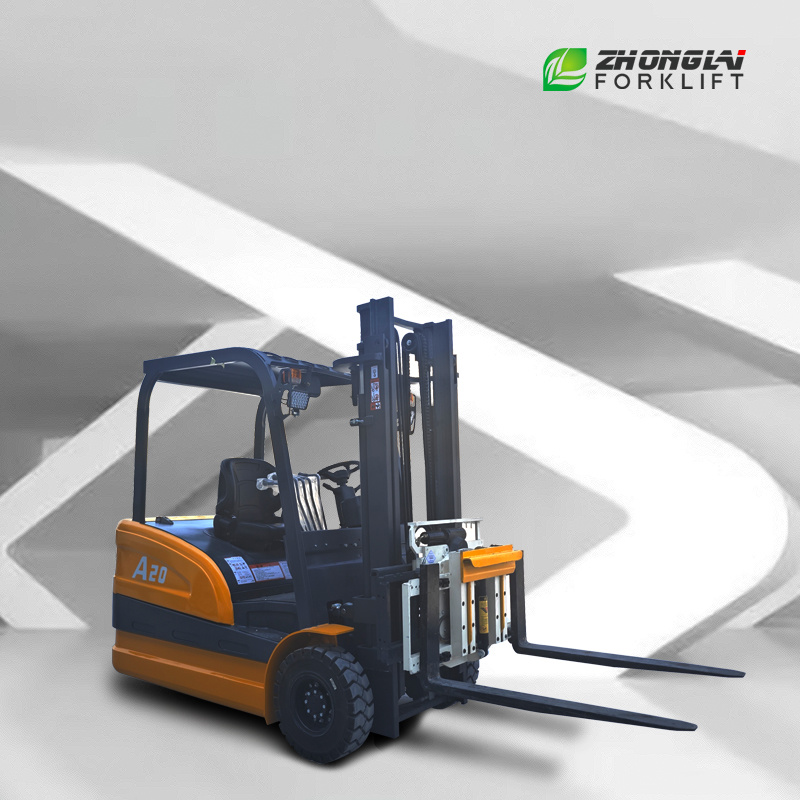
Electric Portable Forklifts: Enhancing Productivity in Material Handling
Table of Contents
- 1. Introduction to Electric Portable Forklifts
- 2. Key Benefits of Electric Portable Forklifts
- 3. Enhancing Efficiency in Material Handling
- 4. Sustainability and Environmental Impact
- 5. Essential Features of Electric Portable Forklifts
- 6. Maintenance and Care for Longevity
- 7. How to Choose the Right Electric Portable Forklift
- 8. Future Trends in Electric Forklift Technology
- 9. Frequently Asked Questions
- 10. Conclusion
1. Introduction to Electric Portable Forklifts
In the fast-paced world of logistics and material handling, efficiency is paramount. Electric portable forklifts have emerged as a game-changer, offering unparalleled versatility and performance. These innovative machines are designed to simplify the movement of goods in various environments, from warehouses to construction sites. With the growing demand for sustainable solutions, electric models not only meet operational needs but also address environmental concerns.
This article delves deep into the many facets of electric portable forklifts, highlighting their advantages, features, and the future of material handling.
2. Key Benefits of Electric Portable Forklifts
Electric portable forklifts come with a myriad of benefits that make them a preferred choice for businesses in the logistics sector:
2.1 Increased Productivity
With rapid lifting capabilities and easy maneuverability, electric portable forklifts significantly enhance productivity. Their compact design allows for efficient navigation in tight spaces, ensuring that goods are moved quickly and safely.
2.2 Reduced Operating Costs
Electric forklifts incur lower operating costs compared to their gas and diesel counterparts. With fewer moving parts, they require less maintenance, saving businesses both time and money. Additionally, the cost of electricity is often lower than fuel prices, further enhancing cost efficiency.
2.3 Enhanced Operator Comfort
These forklifts are designed with ergonomics in mind, ensuring that operators experience less fatigue during long shifts. Features such as adjustable seats, easy-to-use controls, and excellent visibility contribute to a more comfortable working environment.
2.4 Safety Features
Safety is a critical concern in material handling. Electric portable forklifts are equipped with advanced safety features, including automatic braking systems, stability controls, and ergonomic designs that reduce the risk of accidents.
3. Enhancing Efficiency in Material Handling
Efficiency in material handling is essential for maintaining a competitive edge. Electric portable forklifts contribute to this efficiency in several ways:
3.1 Quick Charging Technology
Modern electric forklifts come with rapid charging capabilities, allowing operators to quickly recharge between shifts. This feature minimizes downtime and maximizes operational efficiency.
3.2 Versatility in Various Applications
Whether in warehouses, retail environments, or outdoor settings, electric portable forklifts can adapt to various tasks. Their portability makes them ideal for moving goods across different locations without compromising efficiency.
3.3 Integration with Warehouse Management Systems
Many electric portable forklifts can be integrated with advanced warehouse management systems (WMS). This integration allows for real-time tracking of inventory, streamlining the entire material handling process.
3.4 Space-saving Design
The compact nature of electric portable forklifts allows for optimal use of space, especially in crowded warehouses. They can navigate aisles that are too narrow for traditional forklifts, maximizing storage potential.
4. Sustainability and Environmental Impact
As businesses increasingly focus on sustainability, electric portable forklifts offer significant environmental benefits:
4.1 Zero Emissions
Unlike internal combustion forklifts that emit harmful gases, electric models produce zero emissions, contributing to cleaner air and a healthier work environment.
4.2 Reduced Noise Pollution
Electric forklifts operate quietly, reducing noise pollution in bustling environments. This feature is particularly beneficial in urban settings where noise regulations may be strict.
4.3 Energy Efficiency
Electric forklifts are designed to be energy-efficient, utilizing advanced battery technologies that extend operating hours while consuming less power.
5. Essential Features of Electric Portable Forklifts
Several key features set electric portable forklifts apart from traditional models:
5.1 Advanced Battery Technology
Most electric forklifts utilize lithium-ion batteries, which offer longer runtimes and faster charging times compared to traditional lead-acid batteries.
5.2 Smart Technology Integration
Many electric forklifts are now equipped with smart technology, including telematics that allow operators to monitor performance, battery health, and maintenance needs in real-time.
5.3 Customizable Attachments
Electric portable forklifts can be outfitted with various attachments to handle different materials and tasks, enhancing their versatility.
5.4 User-friendly Controls
The intuitive design of controls makes electric forklifts easy to operate, reducing the learning curve for new operators.
6. Maintenance and Care for Longevity
Proper maintenance is crucial for ensuring the longevity and performance of electric portable forklifts:
6.1 Regular Inspections
Conducting regular inspections helps identify potential issues before they escalate, ensuring smooth operation.
6.2 Battery Care
Maintaining the battery, including regular charging and cleaning, is essential for optimal performance and longevity.
6.3 Professional Servicing
Periodic professional servicing can address any wear and tear, ensuring that the forklift remains in peak condition.
7. How to Choose the Right Electric Portable Forklift
Selecting the right electric portable forklift requires careful consideration of several factors:
7.1 Assessing Load Capacity
Evaluate the maximum weight that the forklift will need to handle and select a model that can comfortably manage that load.
7.2 Evaluating Battery Life
Consider the operational environment and how long the forklift will be in use. Choose a model with a battery life suitable for your specific needs.
7.3 Analyzing Maneuverability
Ensure that the forklift can easily navigate the spaces in which it will operate. Compact models may be necessary for tight spaces.
7.4 Cost Considerations
Assess the total cost of ownership, including purchase price, maintenance, and energy costs, to make an informed decision.
8. Future Trends in Electric Forklift Technology
As technology evolves, so will electric portable forklifts. Here are some trends to watch:
8.1 Automation and Robotics
The integration of automation technology will enhance the efficiency and safety of electric forklifts, enabling them to perform tasks with minimal human intervention.
8.2 Enhanced Battery Technologies
Developments in battery technology will lead to longer runtimes, faster charging, and potentially even wireless charging options.
8.3 IoT Integration
The Internet of Things (IoT) will play a significant role in the future of electric forklifts, allowing for better tracking and management of fleet operations.
9. Frequently Asked Questions
9.1 What are the advantages of electric forklifts over internal combustion models?
Electric forklifts are quieter, produce zero emissions, and generally have lower operating and maintenance costs.
9.2 How long does the battery of an electric forklift last?
Battery life varies but modern lithium-ion batteries typically last between 5 to 8 years with proper maintenance.
9.3 Are electric forklifts suitable for outdoor use?
Yes, many electric forklifts are designed for outdoor use, although it's essential to choose models specifically built for rugged terrain.
9.4 How often should electric forklifts be serviced?
Regular inspections should be conducted monthly, while professional servicing is recommended at least once a year.
9.5 Can electric forklifts handle heavy loads?
Yes, many electric models are capable of lifting heavy loads, but it's crucial to choose the right capacity for your specific needs.
10. Conclusion
Electric portable forklifts represent a significant advancement in material handling technology, combining efficiency, sustainability, and user-friendly features. As businesses seek to enhance productivity while minimizing their environmental footprint, these forklifts offer a compelling solution. Understanding their benefits, features, and maintenance needs is essential for any organization looking to invest in a more productive future. With ongoing advancements in technology, the future of electric forklifts looks brighter than ever, paving the way for more innovative and efficient material handling solutions.
Contact Us

Professional forklift manufacturer
Products Hotline:+86-19203299111
WhatsApp:+8613582499666
Email:sales@good-forklift.com
Wechat:+86-19203299111
Mobile website