

Discover the Transformative Power of Electric Forklift Stackers in Material Handling
Sep 20,2025
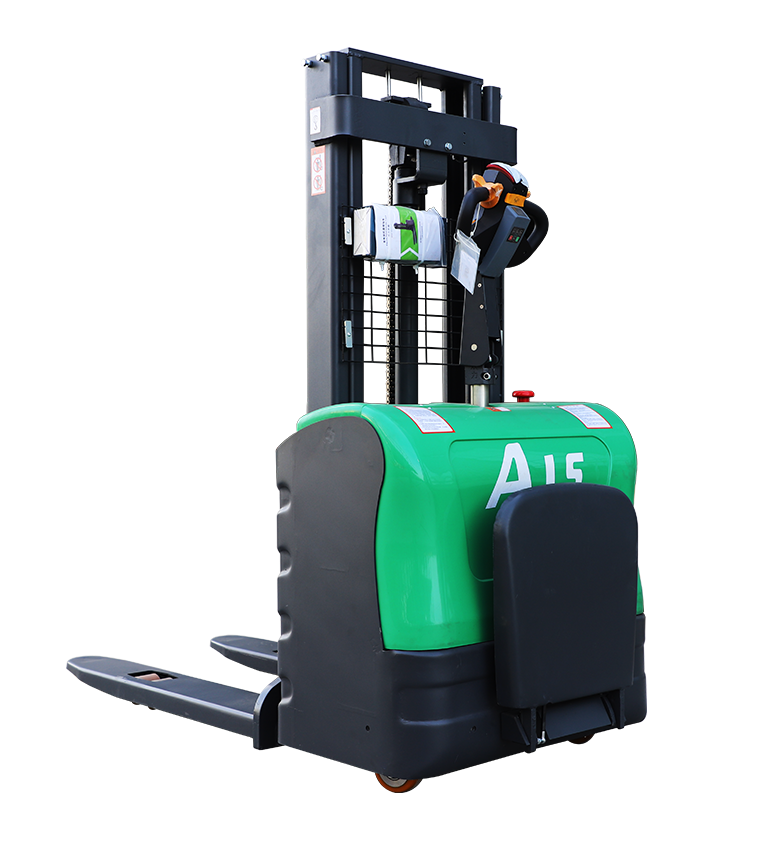
Discover the Transformative Power of Electric Forklift Stackers in Material Handling
In today’s fast-paced industrial landscape, businesses are constantly seeking innovative ways to enhance efficiency and productivity in material handling. Electric forklift stackers have emerged as a game-changing solution for warehouses and distribution centers worldwide. This article provides an in-depth exploration of electric forklift stackers, their benefits, operational efficiency, and their pivotal role in modern material handling.
Table of Contents
- 1. What Are Electric Forklift Stackers?
- 2. Benefits of Electric Forklift Stackers in Material Handling
- 3. Enhancing Operational Efficiency with Electric Forklift Stackers
- 4. The Environmental Impact of Electric Forklift Stackers
- 5. Cost Analysis: Electric Forklift Stackers vs. Traditional Forklifts
- 6. Choosing the Right Electric Forklift Stacker for Your Needs
- 7. Maintenance Tips for Electric Forklift Stackers
- 8. The Future of Electric Forklift Stackers in Material Handling
- 9. FAQs
- 10. Conclusion
1. What Are Electric Forklift Stackers?
Electric forklift stackers are advanced material handling equipment designed to lift and transport goods within warehouses and distribution centers. Unlike their traditional counterparts, these stackers operate on electric power, making them a more sustainable and efficient choice. They come in various forms, including pedestrian-operated and rider-operated models, catering to different operational needs.
With a focus on safety, efficiency, and ease of use, electric forklift stackers are equipped with advanced technologies such as intuitive control systems, ergonomic designs, and powerful electric motors. These features enable operators to handle loads quickly and efficiently, optimizing productivity in any material handling environment.
2. Benefits of Electric Forklift Stackers in Material Handling
The adoption of electric forklift stackers in material handling offers numerous advantages that can significantly enhance the efficiency and safety of operations. Here are some key benefits:
2.1 Enhanced Efficiency
Electric forklift stackers provide rapid lifting and movement of materials, allowing for quicker inventory turnover. Their ability to maneuver in tight spaces makes them ideal for modern warehouses where maximizing space is crucial.
2.2 Reduced Operating Costs
Electric models require less maintenance compared to internal combustion forklifts. They have fewer moving parts, resulting in lower repair costs. Additionally, the cost of electricity is often significantly lower than fuel, leading to substantial savings over time.
2.3 Improved Safety Features
Equipped with advanced safety features like automatic braking systems and stability controls, electric forklift stackers reduce the risk of accidents in the workplace. This not only protects employees but also minimizes potential damage to goods.
2.4 Environmentally Friendly
By operating on electric power, these stackers produce zero emissions during operation, contributing to a healthier workplace and adhering to environmental regulations. Companies can promote sustainability by incorporating electric forklift stackers into their material handling operations.
3. Enhancing Operational Efficiency with Electric Forklift Stackers
Utilizing electric forklift stackers can drastically improve operational efficiency in several ways:
3.1 Streamlined Workflow
Electric forklift stackers can be integrated seamlessly into existing workflows, allowing for a more organized and efficient material handling process. Their intuitive controls simplify operation, reducing training time for new employees.
3.2 Versatility in Applications
These stackers can handle a wide variety of loads, from pallets to larger items, making them adaptable to different industries such as retail, manufacturing, and logistics.
3.3 Enhanced Precision and Control
With advanced control technologies, operators can achieve precise movements, minimizing the risk of product damage and ensuring accurate placement of goods.
4. The Environmental Impact of Electric Forklift Stackers
In an era where sustainability is paramount, electric forklift stackers provide a compelling solution for environmentally conscious operations.
4.1 Reduced Carbon Footprint
By transitioning to electric stackers, companies can significantly reduce their carbon footprint. Electric vehicles contribute to lower greenhouse gas emissions compared to diesel or gas-powered alternatives.
4.2 Energy Efficiency
Modern electric forklift stackers are designed to optimize energy consumption. Features such as regenerative braking capture energy during operation, further enhancing their sustainability.
4.3 Compliance with Regulations
As environmental regulations become stricter, electric forklift stackers can help businesses stay compliant. They are an ideal choice for companies aiming to meet eco-friendly standards and certifications.
5. Cost Analysis: Electric Forklift Stackers vs. Traditional Forklifts
Understanding the cost implications of electric forklift stackers compared to traditional forklifts is crucial for making informed purchasing decisions.
5.1 Purchase and Initial Investment
While the initial cost of electric forklift stackers may be higher than traditional models, the long-term savings often outweigh this difference.
5.2 Long-Term Operating Costs
Electric models typically have lower operating costs due to reduced fuel expenses and maintenance needs. Businesses can expect to see significant savings in energy and repair costs over time.
5.3 Return on Investment (ROI)
Considering the operational efficiencies, lower running costs, and potential for increased productivity, electric forklift stackers often provide a favorable ROI, making them a wise investment choice.
6. Choosing the Right Electric Forklift Stacker for Your Needs
Selecting the most suitable electric forklift stacker for your operations requires careful consideration of several factors:
6.1 Load Capacity
Assess the maximum weight your stacker needs to handle. Electric stackers come in various load capacities, ensuring you find the right fit for your operational demands.
6.2 Operational Environment
Evaluate the specific conditions of your warehouse or distribution center. Consider factors like aisle width, rack heights, and surface conditions to ensure optimal performance.
6.3 Battery Type and Runtime
Determine the best battery type for your needs, whether it’s lead-acid or lithium-ion, based on runtime and charging requirements. Battery management systems can also enhance efficiency and lifespan.
7. Maintenance Tips for Electric Forklift Stackers
Proper maintenance is essential to maximize the lifespan and performance of electric forklift stackers.
7.1 Regular Inspections
Conduct thorough inspections regularly to ensure all components are functioning correctly. Look for wear and tear, and address any issues promptly.
7.2 Battery Care
Implement a scheduled charging routine and check battery fluid levels regularly. Proper battery care enhances efficiency and prolongs service life.
7.3 Cleaning and Upkeep
Keep the stackers clean and free from debris. Regular cleaning prevents the buildup of dirt and grime, which can affect operation and safety.
8. The Future of Electric Forklift Stackers in Material Handling
As technology continues to evolve, so does the landscape of material handling. Electric forklift stackers are at the forefront of this transformation.
8.1 Technological Advancements
The integration of IoT (Internet of Things) and AI technologies in electric stackers will enhance operational efficiencies and predictive maintenance capabilities.
8.2 Automation Trends
The rise of automation in warehouses signals a shift towards fully automated material handling solutions. Electric forklift stackers are likely to play a critical role in this evolution, working alongside autonomous systems.
8.3 Increased Adoption Rates
As more businesses recognize the benefits of electric forklift stackers, their adoption rates are expected to increase, shaping the future of material handling across various industries.
9. FAQs
What are the main advantages of electric forklift stackers over traditional forklifts?
Electric forklift stackers offer lower operating costs, reduced environmental impact, and advanced safety features, making them a preferred choice for many businesses.
How long do electric forklift stackers typically last?
With proper maintenance, electric forklift stackers can last 5-10 years or more, depending on usage and care.
Are electric forklift stackers suitable for outdoor use?
While some electric models are designed for outdoor use, they are primarily intended for indoor operations. It’s important to check the specifications for outdoor adaptability.
How do I maintain the battery in an electric forklift stacker?
Regularly check fluid levels, maintain a consistent charging routine, and clean the terminals to ensure optimal battery performance.
Can electric forklift stackers operate in cold environments?
Yes, but battery performance may be affected in extreme cold. It's advisable to use batteries designed for low temperatures or take precautions to keep them warm.
10. Conclusion
Electric forklift stackers are revolutionizing the field of material handling, offering numerous benefits that enhance operational efficiency, safety, and sustainability. As companies continue to seek innovative solutions to meet the demands of modern logistics, the shift towards electric models is becoming increasingly prevalent. By understanding the advantages and operational insights presented in this guide, businesses can make informed decisions that lead to improved productivity and a positive environmental impact. Embrace the power of electric forklift stackers today and transform your material handling processes for the better.
Contact Us

Professional forklift manufacturer
Products Hotline:+86-19203299111
WhatsApp:+8613582499666
Email:sales@good-forklift.com
Wechat:+86-19203299111
Mobile website