

Essential Maintenance Tips for Electric Forklift Stackers: Ensuring Longevity and Efficiency
Sep 02,2025
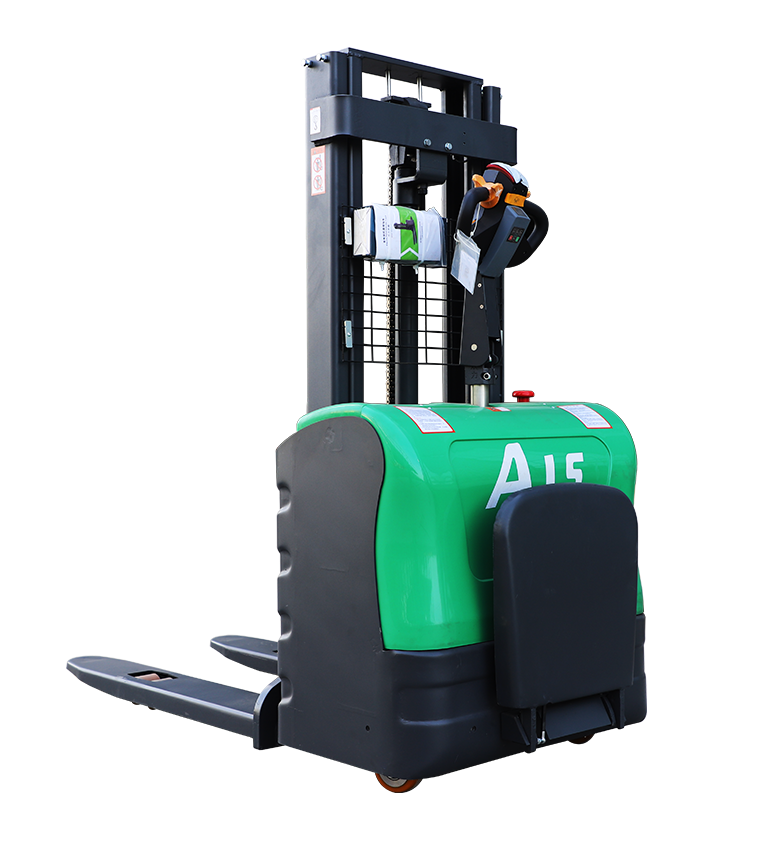
Electric Forklift Stackers: Maintenance Tips for Longevity
Table of Contents
- 1. Introduction to Electric Forklift Stackers
- 2. Understanding the Importance of Maintenance
- 3. Essential Maintenance Tips
- 4. Common Issues and Troubleshooting
- 5. Battery Care and Management
- 6. The Role of Technicians in Maintenance
- 7. Safety Concerns in Maintenance
- 8. Conclusion
1. Introduction to Electric Forklift Stackers
Electric forklift stackers play a pivotal role in the logistics, warehousing, and transportation industries. They provide efficient lifting and stacking capabilities, allowing for smoother operations and increased productivity. However, to maximize their effectiveness and lifespan, **proper maintenance** is crucial. This article provides insightful maintenance tips to ensure that electric forklift stackers remain in optimal condition.
2. Understanding the Importance of Maintenance
Regular maintenance of electric forklift stackers is not merely a good practice; it is an essential component of effective fleet management. Proper maintenance helps in:
- **Extending Equipment Lifespan**: Regular checks and servicing can significantly extend the lifespan of your electric forklift stackers.
- **Enhancing Safety**: Routine maintenance reduces the risk of accidents and injuries caused by malfunctioning equipment.
- **Improving Efficiency**: Well-maintained stackers operate more efficiently, resulting in lower energy consumption and improved productivity.
- **Minimizing Repair Costs**: Preventative maintenance is generally more cost-effective than dealing with major repairs caused by neglect.
3. Essential Maintenance Tips
Implementing a structured maintenance routine is critical for electric forklift stackers. Below are the essential maintenance tips categorized by frequency.
3.1 Daily Checks
Daily checks are essential for ensuring that your electric forklift stackers are ready for operation. Here are the key areas to focus on:
- **Battery Condition**: Inspect the battery for any signs of damage or leaks. Ensure that the battery is properly charged.
- **Fluid Levels**: Check hydraulic fluid, coolant, and other essential fluids to ensure they are at the appropriate levels.
- **Tire Condition**: Examine tires for wear and tear, ensuring they are inflated to the correct pressure.
- **Brakes and Controls**: Test brakes and operational controls for responsiveness to identify any potential issues early.
3.2 Weekly Inspections
Weekly inspections allow for a more thorough examination of your electric forklift stackers. Key areas to cover include:
- **Electrical Systems**: Inspect wiring for frays or damage, ensuring that all connections are secure.
- **Fork Condition**: Check forks for any bends, cracks, or wear that could affect lifting capabilities.
- **Chassis and Frame**: Look for any signs of structural damage that may impact stability and safety.
- **Lubrication**: Ensure all moving parts are well-lubricated, reducing friction and wear.
3.3 Monthly Maintenance
Monthly maintenance involves comprehensive checks and servicing to keep electric forklift stackers in top shape:
- **Battery Maintenance**: Clean terminals and check for corrosion. If necessary, perform a deep cycle to ensure battery health.
- **Professional Inspection**: Schedule a professional inspection to address any underlying issues and perform advanced diagnostics.
- **Software Updates**: If your forklift is equipped with software for efficiency tracking, ensure it is up to date for optimal performance.
- **Documentation**: Maintain service logs to track maintenance history and identify recurring issues.
4. Common Issues and Troubleshooting
Despite regular maintenance, electric forklift stackers may encounter issues. Here are some common problems and their solutions:
- **Battery Won’t Charge**: Check the charger and connections. If the charger is functional, consider testing the battery’s voltage.
- **Unresponsive Controls**: Inspect wiring and connectors for damage. Faulty electrical components may need replacement.
- **Hydraulic Issues**: If the lift is sluggish, check fluid levels and inspect for leaks in the hydraulic system.
5. Battery Care and Management
The battery is the lifeblood of electric forklift stackers. Proper care is essential for longevity. Here are vital tips for battery management:
- **Regular Charging**: Charge batteries as needed, preferably during breaks to avoid deep discharges.
- **Equalization Charging**: Perform equalization charging periodically to balance the battery cells.
- **Storage Conditions**: Store batteries in a cool, dry place to prevent deterioration.
6. The Role of Technicians in Maintenance
While operators can handle daily and weekly checks, professional technicians play a crucial role in maintenance:
- **Expert Diagnoses**: Technicians can identify and address issues that may not be visible during routine checks.
- **Systematic Repairs**: They are trained to perform repairs and replacements efficiently and safely.
- **Preventive Strategies**: Technicians can recommend preventive measures based on the specific usage and condition of your stackers.
7. Safety Concerns in Maintenance
Safety should always be a priority during maintenance. Here are essential safety protocols:
- **Personal Protective Equipment (PPE)**: Ensure all maintenance personnel wear appropriate PPE, including gloves, helmets, and safety goggles.
- **Proper Training**: Staff should be trained in maintenance procedures and safety protocols to minimize risks.
- **Emergency Procedures**: Have a clear plan in place for emergencies, including spills or accidents during maintenance.
8. Conclusion
In summary, maintaining electric forklift stackers is a multifaceted task that requires diligence and attention to detail. By following the outlined maintenance tips, operators can ensure their equipment remains efficient, safe, and ready for work. Regular checks, professional inspections, and a robust battery care routine are pivotal for the longevity of electric forklift stackers. Investing the time and resources into proper maintenance not only enhances productivity but also safeguards the well-being of all personnel involved in using these essential machines.
Frequently Asked Questions (FAQs)
1. How often should I perform maintenance on electric forklift stackers?
Regular maintenance should include daily checks, weekly inspections, and monthly servicing to ensure optimal performance.
2. What are the most common issues with electric forklift stackers?
Common issues include battery charging problems, unresponsive controls, and hydraulic system failures.
3. How can I extend the lifespan of my electric forklift stackers?
Following a strict maintenance schedule, ensuring proper battery care, and addressing issues promptly can significantly extend the lifespan of your stackers.
4. Should I hire a technician for maintenance?
Yes, hiring a qualified technician for in-depth inspections and repairs is crucial for addressing complex issues beyond routine checks.
5. What safety measures should I take during maintenance?
Always use personal protective equipment, ensure staff are trained in safety protocols, and have emergency procedures in place during maintenance operations.
Contact Us

Professional forklift manufacturer
Products Hotline:+86-19203299111
WhatsApp:+8613582499666
Email:sales@good-forklift.com
Wechat:+86-19203299111
Mobile website