

How Electric Portable Forklifts Can Enhance Your Supply Chain Efficiency
Aug 31,2025
How Electric Portable Forklifts Can Enhance Your Supply Chain Efficiency
In today's fast-paced logistics environment, efficiency is paramount. Supply chains are the backbone of businesses, and any improvement in operational efficiency can lead to significant cost savings and increased productivity. One of the most innovative solutions gaining traction in this sector is the use of electric portable forklifts. These advanced machines offer a myriad of benefits that can greatly enhance supply chain operations. In this article, we will explore how electric portable forklifts can transform your logistics processes, making them more efficient, effective, and sustainable.
Table of Contents
- What Are Electric Portable Forklifts?
- Advantages of Electric Portable Forklifts
- Improving Efficiency with Electric Forklifts
- Sustainability in Supply Chain Management
- Enhancing Workplace Safety
- Choosing the Right Electric Forklift for Your Needs
- Maintenance and Care of Electric Forklifts
- Case Studies and Success Stories
- FAQs
- Conclusion
What Are Electric Portable Forklifts?
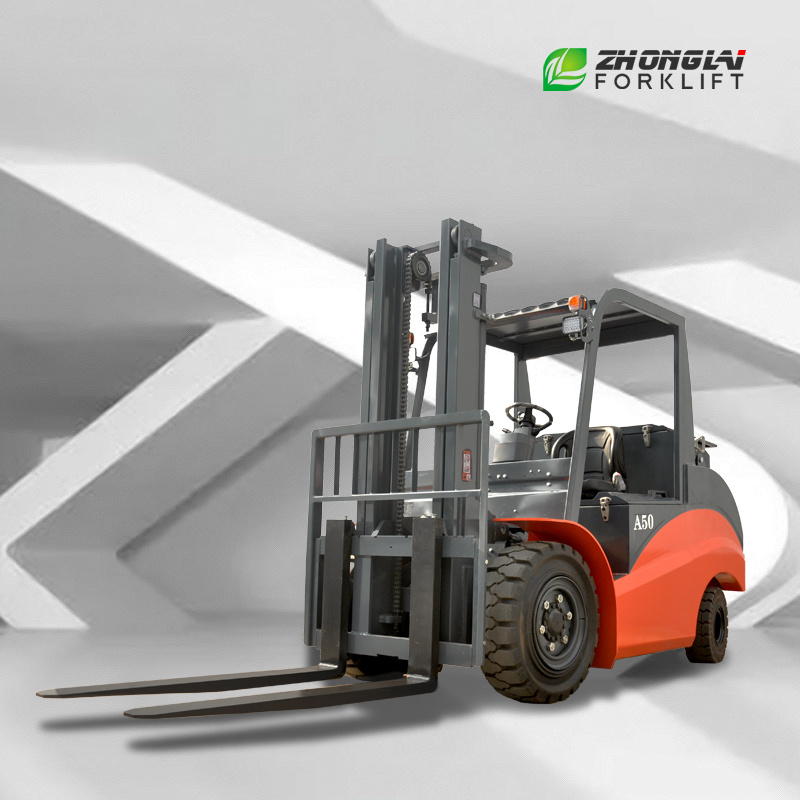
Electric portable forklifts are compact, battery-operated lifting machines designed for transporting and lifting materials within warehouses and distribution centers. Unlike traditional gas-powered forklifts, electric models rely on rechargeable batteries, making them quieter and more environmentally friendly. Their portability allows for easy movement across various locations, thereby enhancing operational flexibility. These forklifts are equipped with advanced technology that makes them suitable for handling a wide range of goods, from pallets to heavy machinery.
Advantages of Electric Portable Forklifts
1. Enhanced Maneuverability
One of the primary advantages of electric portable forklifts is their enhanced maneuverability. Their compact design allows them to operate in tight spaces, making them ideal for warehouses with limited room. This ability to navigate narrow aisles can significantly improve the efficiency of loading and unloading processes.
2. Lower Operational Costs
Electric forklifts typically have lower operational costs compared to their gas-powered counterparts. With no need for fuel, companies can save on fuel expenses while benefiting from reduced maintenance costs due to fewer moving parts. Additionally, the cost of electricity is often less than gas, leading to further savings.
3. Quiet Operation
Electric portable forklifts operate quietly, reducing noise pollution in the workplace. This feature is particularly beneficial in environments where noise reduction is necessary, such as retail settings and areas close to residential neighborhoods. A quieter working environment also contributes to improved employee satisfaction and productivity.
4. Improved Battery Technology
Modern electric forklifts come equipped with advanced battery technologies, such as lithium-ion batteries, that offer longer run times and reduced charging times. This innovation allows for extended operational hours and quick recharges, minimizing downtime and increasing efficiency.
Improving Efficiency with Electric Forklifts
Streamlined Warehouse Operations
The ability to transport goods quickly and efficiently is crucial for any supply chain. Electric portable forklifts streamline warehouse operations by enabling swift movement of products from receiving areas to storage locations and then to shipping docks. This enhanced flow reduces bottlenecks, ensuring that products are processed efficiently.
Flexible Logistics Solutions
Electric portable forklifts are not limited to one type of operation; they can adapt to various logistics scenarios. Whether you need to move items indoors or outdoors, these forklifts can accommodate different environments, making them versatile for any supply chain need. Their ability to handle diverse products adds to their efficiency.
Data-Driven Decision Making
Many models now include integrated technology that allows for real-time data collection and analysis. By utilizing this data, businesses can make informed decisions about inventory management and operational efficiency. Tracking usage patterns and performance metrics can optimize fleet management and resource allocation, contributing to a more efficient supply chain.
Sustainability in Supply Chain Management
Eco-Friendly Operations
With growing awareness of environmental issues, businesses are seeking ways to reduce their carbon footprint. Electric portable forklifts contribute to this goal by producing zero emissions during operation. Transitioning to electric forklifts can significantly enhance a company’s sustainability profile, attracting eco-conscious customers and investors.
Energy Efficiency
Electric forklifts are more energy-efficient than traditional models, helping companies to reduce energy consumption. By utilizing energy management systems and charging best practices, businesses can maximize the efficiency of their operations while minimizing waste. This focus on energy efficiency aligns with global sustainability goals and can lead to certifications that enhance corporate reputation.
Enhancing Workplace Safety
Reduced Risk of Accidents
Safety is a critical concern in any warehouse or logistics environment. Electric portable forklifts are equipped with advanced safety features such as automatic braking systems, stability control, and ergonomic controls. These features reduce the risk of accidents and injuries, creating a safer workplace for all employees.
Operator Training and Certification
While electric forklifts are generally easier to operate than traditional models, proper training and certification are still essential. Companies should invest in comprehensive training programs to ensure that operators are proficient in safe driving practices and understand the specific features of the forklifts they will be using. This investment not only enhances safety but also promotes a culture of responsibility and professionalism in the workplace.
Choosing the Right Electric Forklift for Your Needs
Assessing Your Requirements
When selecting an electric portable forklift, it is crucial to assess your operational requirements. Consider factors such as load capacity, lift height, and the type of materials you will be handling. Different models are designed for specific applications, so choosing the right one can significantly impact your efficiency and productivity.
Consulting with Experts
For businesses that are unsure about which electric forklift is best suited for their needs, consulting with equipment experts or suppliers can provide valuable insights. These professionals can help identify the best options based on your unique operational challenges and requirements.
Maintenance and Care of Electric Forklifts
Regular Inspections
To ensure the longevity and efficiency of your electric forklifts, regular maintenance and inspections are vital. Routine checks of batteries, brakes, and tires can help identify potential issues before they escalate, minimizing downtime and repair costs. Implementing a proactive maintenance schedule can greatly extend your forklift's lifespan.
Battery Management
Proper care of the forklift's battery is essential for optimal performance. Operators should follow best practices for charging and maintaining batteries, including full discharges before recharging and keeping batteries clean and free from corrosion. Implementing a battery management system can further enhance battery life and performance.
Case Studies and Success Stories
Real-World Applications
Several companies have successfully integrated electric portable forklifts into their supply chains, showcasing the real-world benefits of these machines. For instance, a major retail chain reported a 30% increase in productivity after switching to electric forklifts, attributing this improvement to faster loading times and reduced operational costs.
Industry Leaders' Experiences
Industry leaders have also recognized the advantages of electric forklifts. A well-known manufacturer of consumer goods adopted electric forklifts and achieved significant reductions in energy costs and operational inefficiencies. Their success serves as a testament to the potential of electric portable forklifts in enhancing supply chain efficiency.
FAQs
1. What is the typical battery life of electric portable forklifts?
The battery life of electric portable forklifts varies based on usage and maintenance. Generally, with proper care, a battery can last between 5 to 8 years.
2. Are electric forklifts suitable for outdoor use?
Many electric forklifts are designed for both indoor and outdoor use. However, it is essential to choose models specifically suited for outdoor conditions, as they may require additional features for stability and durability.
3. How do electric forklifts compare to internal combustion forklifts in terms of maintenance?
Electric forklifts typically require less maintenance than internal combustion forklifts due to the absence of complex engines and fewer moving parts. Regular battery maintenance is crucial, but overall, electric models are often more cost-effective in the long run.
4. Can electric forklifts handle heavy loads?
Yes, electric portable forklifts come in various models that can handle a wide range of load capacities, including heavy loads. It’s important to select the right model based on the specific weight requirements.
5. What safety features should I look for in an electric forklift?
Key safety features to consider include automatic braking systems, stability control, ergonomic design, and visibility enhancements. Ensuring these features are present will help create a safer work environment.
Conclusion
Electric portable forklifts are revolutionizing the logistics industry by dramatically improving supply chain efficiency. With their enhanced maneuverability, lower operational costs, and eco-friendly nature, these machines are not just a viable alternative to traditional forklifts; they are an essential component of modern supply chain management. By investing in electric forklifts, companies can optimize their operations, promote sustainability, and ensure a safer workplace. As the logistics landscape continues to evolve, embracing technology and innovation is imperative for staying competitive and meeting the demands of a changing market.
Contact Us

Professional forklift manufacturer
Products Hotline:+86-19203299111
WhatsApp:+8613582499666
Email:sales@good-forklift.com
Wechat:+86-19203299111
Mobile website