

Troubleshooting Common Issues with Electric Forklift Stackers: A Comprehensive Guide
Aug 27,2025
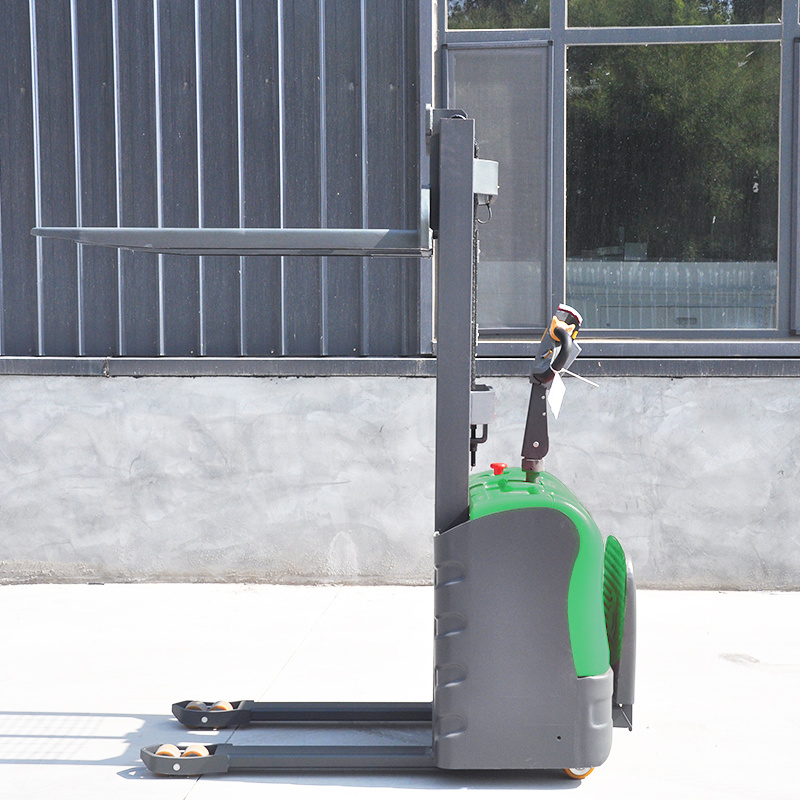
Troubleshooting Common Issues with Electric Forklift Stackers: A Comprehensive Guide
Electric forklift stackers are vital for modern warehousing and logistics operations, providing efficiency and versatility for material handling. However, just like any machinery, they can experience problems that affect productivity. Understanding how to troubleshoot these common issues can save time, reduce operational costs, and maintain safety in the workplace. This guide is designed to equip you with the knowledge to diagnose and resolve frequent concerns with electric forklift stackers.
Table of Contents
- 1. Introduction to Electric Forklift Stackers
- 2. Common Issues with Electric Forklift Stackers
- 3. Battery-Related Problems
- 4. Overheating Issues
- 5. Mechanical Failures
- 6. Electrical Issues
- 7. Diagnostic Tips for Troubleshooting
- 8. Preventive Maintenance Strategies
- 9. Conclusion
- 10. FAQs
1. Introduction to Electric Forklift Stackers
Electric forklift stackers serve as crucial tools in warehouses and distribution centers, facilitating the lifting and stacking of materials efficiently. These machines are preferred for their eco-friendliness and lower operational costs compared to their gas or diesel counterparts. However, like any machinery, they are not immune to breakdowns. Understanding their common issues allows operators and managers to troubleshoot effectively, minimizing downtime and ensuring a seamless workflow.
2. Common Issues with Electric Forklift Stackers
Electric forklift stackers can encounter various issues, ranging from minor inconveniences to significant mechanical failures. The most prevalent problems include:
- Battery-related issues
- Overheating
- Mechanical failures
- Electrical malfunctions
3. Battery-Related Problems
One of the most common issues faced by electric forklift stackers is battery-related problems. Since these machines rely heavily on battery power, any malfunction can lead to reduced performance or complete operational failure. Below are some key battery-related issues and their solutions:
3.1 Insufficient Battery Charge
Running low on battery charge can halt operations. Operators should regularly check battery levels and ensure timely recharging. A battery management system can help monitor charge levels and alert users when batteries need recharging.
3.2 Battery Aging and Capacity Loss
As batteries age, their capacity diminishes, leading to shorter operational periods. Regular maintenance checks can identify aging batteries that may require replacement. Operators should also track battery performance indicators to plan for battery replacements proactively.
3.3 Corroded Battery Terminals
Corrosion can lead to poor electrical connections and performance issues. Regular cleaning of battery terminals with a mixture of baking soda and water can prevent corrosion buildup and ensure optimal conductivity.
4. Overheating Issues
Overheating is another critical issue that can affect electric forklift stackers, impacting both performance and safety. Here are common causes and solutions for overheating issues:
4.1 Poor Ventilation
Insufficient airflow can lead to overheating. Ensure that the forklift is operated in well-ventilated areas. Additionally, regular cleaning of vents and fans can help improve airflow and cooling.
4.2 Overloading
Overloading the forklift stacker beyond its capacity can generate excessive heat. Operators should always adhere to the manufacturer’s weight limits and guidelines to prevent overheating.
4.3 Faulty Cooling Systems
If the cooling system is malfunctioning, the machine may overheat even under normal operating conditions. Regular inspections of the cooling system can help identify issues early, allowing for timely repairs.
5. Mechanical Failures
Mechanical failures can significantly hinder the operations of electric forklift stackers. Here are some typical mechanical issues and their troubleshooting methods:
5.1 Lift Mechanism Malfunctions
Problems with the lift mechanism can prevent the stacker from raising or lowering loads. Regular lubrication of moving parts can help minimize wear and tear. If issues persist, consulting the operator’s manual or a professional technician may be necessary.
5.2 Steering Issues
Difficulty in steering can result from worn-out bearings or damaged steering components. Implementing a regular maintenance schedule can help identify and replace these components before they lead to significant issues.
5.3 Wheel Problems
Worn-out or damaged wheels can impact maneuverability. Regularly inspecting the wheels for wear and tear, as well as ensuring proper inflation (if pneumatic), can prevent performance issues.
6. Electrical Issues
Electrical problems can manifest in various ways and can be challenging to diagnose. Here’s how to address common electrical issues:
6.1 Blown Fuses
Blown fuses can disrupt power supply to critical components. Regularly checking and replacing fuses can help maintain consistent performance.
6.2 Faulty Wiring
Damaged or frayed wiring can lead to shorts and malfunctions. Conducting routine inspections of the electrical system can identify wiring issues before they escalate into larger problems.
6.3 Control System Malfunctions
Issues with the control system can prevent the forklift from functioning correctly. If the control panel shows error codes or fails to respond, consult the operator’s manual for troubleshooting steps or consider professional assistance.
7. Diagnostic Tips for Troubleshooting
Effective troubleshooting requires a systematic approach. Here are some tips to diagnose issues:
7.1 Maintain a Log
Keeping a maintenance and issue log can help identify recurring problems and patterns in the machine's performance, allowing for more targeted troubleshooting efforts.
7.2 Utilize Diagnostic Tools
Many electric forklift stackers come equipped with diagnostic tools that can help identify issues. Familiarize yourself with these tools and use them to diagnose problems more effectively.
7.3 Consult the Manual
The manufacturer’s manual is an invaluable resource for troubleshooting. It contains specific guidelines, troubleshooting tips, and maintenance schedules tailored to your forklift model.
8. Preventive Maintenance Strategies
Preventive maintenance is key to minimizing issues with electric forklift stackers. Implementing a comprehensive maintenance program can enhance the lifespan and performance of your equipment:
8.1 Scheduled Inspections
Regular inspections should be conducted to identify and address issues before they escalate. This includes checking mechanical systems, electrical components, and battery health.
8.2 Operator Training
Training operators on proper handling and maintenance procedures can reduce wear and tear, helping to prevent issues from arising in the first place.
8.3 Use Quality Parts
When replacing components, always opt for high-quality, manufacturer-approved parts to ensure compatibility and reliability.
9. Conclusion
Electric forklift stackers are essential for efficient material handling in various industries, but they are not without their challenges. By understanding common issues such as battery problems, overheating, mechanical failures, and electrical issues, operators can troubleshoot effectively. Implementing a proactive maintenance strategy will further enhance the operational efficiency of these machines, enabling smoother workflows and minimizing downtime. Staying informed and vigilant is crucial for ensuring the longevity and reliability of electric forklift stackers.
10. FAQs
10.1 What are the signs of a failing battery in an electric forklift stacker?
Signs include reduced lift capacity, slow movement, or the need for frequent recharging.
10.2 How often should electric forklift stackers be serviced?
It is recommended to perform maintenance checks every 200 hours of operation or as specified by the manufacturer.
10.3 Can overheating damage the electric forklift stacker?
Yes, overheating can lead to significant damage to electrical components and mechanical systems, resulting in costly repairs.
10.4 What should I do if the forklift stacker does not respond to controls?
Check for blown fuses, inspect wiring, and consult the operator's manual for troubleshooting steps.
10.5 How can I improve the lifespan of my electric forklift stacker?
Implement a regular maintenance schedule, ensure proper operator training, and address issues promptly to enhance longevity.
By following this comprehensive guide, operators can efficiently troubleshoot and maintain electric forklift stackers, ensuring smooth operations and reduced downtime.
Contact Us

Professional forklift manufacturer
Products Hotline:+86-19203299111
WhatsApp:+8613582499666
Email:sales@good-forklift.com
Wechat:+86-19203299111
Mobile website