

Electric Forklift Stackers vs. Traditional Forklifts: A Comprehensive Comparison for Modern Warehousing Needs
Jul 04,2025
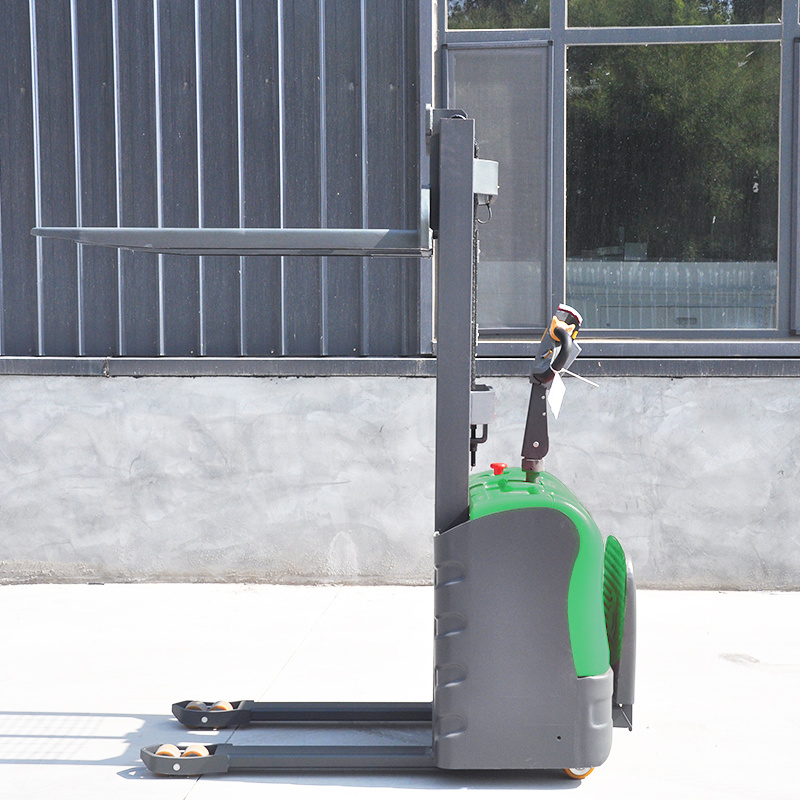
Electric Forklift Stackers vs. Traditional Forklifts: A Comprehensive Comparison
Table of Contents
1. Introduction to Forklift Technologies
2. Understanding Electric Forklift Stackers
2.1. What Are Electric Forklift Stackers?
2.2. Key Features of Electric Forklift Stackers
3. Overview of Traditional Forklifts
3.1. Definition and Functionality
3.2. Key Features of Traditional Forklifts
4. Comparing Performance Metrics
4.1. Load Capacity and Reach
4.2. Speed and Maneuverability
5. Operational Costs
5.1. Initial Investment
5.2. Maintenance and Operating Expenses
6. Environmental Impact
6.1. Emissions and Energy Consumption
6.2. Sustainability Considerations
7. The Future of Forklift Technology
8. FAQs
9. Conclusion
1. Introduction to Forklift Technologies
In the realm of material handling, forklifts play a crucial role in enhancing productivity and efficiency within warehouses. As businesses evolve and adapt to modern demands, the choice between **electric forklift stackers** and **traditional forklifts** becomes increasingly significant. This article delves into the nuances of these two types of forklifts, providing insights that will assist businesses in making informed decisions tailored to their operational needs.
2. Understanding Electric Forklift Stackers
2.1. What Are Electric Forklift Stackers?
Electric forklift stackers are compact, battery-operated machines designed for lifting and moving materials in warehouses and storage facilities. They are engineered for efficiency, particularly in handling lighter loads over short distances.
2.2. Key Features of Electric Forklift Stackers
Electric stackers come equipped with several features that enhance their functionality:
- **Quiet Operation**: Their electric motors minimize noise pollution, making them ideal for indoor environments.
- **Compact Design**: Their smaller size allows for maneuvering in tight spaces.
- **Low Maintenance**: Electric systems typically require less maintenance compared to internal combustion engines.
3. Overview of Traditional Forklifts
3.1. Definition and Functionality
Traditional forklifts, often powered by internal combustion engines, have been the backbone of industrial material handling for decades. They are designed for heavy-duty tasks and can lift substantial loads over considerable distances.
3.2. Key Features of Traditional Forklifts
Key attributes of traditional forklifts include:
- **High Load Capacity**: Capable of lifting heavier loads than most electric stackers.
- **Rugged Design**: Built to withstand harsh working conditions, making them suitable for outdoor use.
- **Versatile Fuel Options**: Available in various fuel types, including gasoline, diesel, and propane.
4. Comparing Performance Metrics
4.1. Load Capacity and Reach
When comparing electric forklift stackers and traditional forklifts, one of the most critical factors is load capacity. Traditional forklifts generally outperform electric stackers in this area. For instance, while electric stackers may handle loads of up to 3,000 pounds, traditional forklifts can manage loads exceeding 10,000 pounds. Additionally, traditional forklifts often offer greater lifting heights, making them suitable for stacking heavy pallets in high storage systems.
4.2. Speed and Maneuverability
Electric stackers excel in speed and maneuverability, particularly in indoor environments where space is limited. Their compact design allows for sharp turns and easy navigation through tight aisles, making them ideal for densely packed warehouses. In contrast, traditional forklifts, while powerful, tend to be bulkier and less agile, making them better suited for outdoor tasks where open space is available.
5. Operational Costs
5.1. Initial Investment
The initial investment for electric forklift stackers is typically lower than that for traditional forklifts. Businesses looking to minimize upfront costs may prefer electric stackers, especially if they require equipment mainly for indoor use. However, traditional forklifts may provide better return on investment for operations that require moving heavier loads over longer distances.
5.2. Maintenance and Operating Expenses
Electric stackers require less maintenance over time, as they have fewer moving parts and no need for oil changes. In contrast, traditional forklifts often incur higher maintenance costs due to engine wear and the need for regular servicing. Furthermore, the cost of fuel can significantly affect overall operational expenses; electric forklifts usually have lower energy costs compared to the fuel expenses associated with traditional forklifts.
6. Environmental Impact
6.1. Emissions and Energy Consumption
Electric forklift stackers are inherently more environmentally friendly than traditional forklifts, as they produce zero emissions during operation. This makes them an excellent choice for indoor environments where air quality is a concern. Traditional forklifts, on the other hand, emit pollutants that can contribute to environmental degradation.
6.2. Sustainability Considerations
As sustainability becomes a priority for many businesses, the choice of equipment plays a significant role. Electric forklifts align with green initiatives due to their lower carbon footprint and energy efficiency. Additionally, advancements in battery technology continue to improve the sustainability of electric stackers, making them a forward-thinking choice for environmentally conscious companies.
7. The Future of Forklift Technology
The forklift industry is undergoing a transformation driven by technological advancements. Innovations such as automation, IoT integration, and enhancements in battery technology are shaping the future of material handling. Electric stackers are poised to become even more prominent as businesses seek to increase efficiency and reduce environmental impact.
8. FAQs
1. Which is better for indoor use: electric stackers or traditional forklifts?
Electric stackers are generally better suited for indoor use due to their compact size, quiet operation, and zero emissions.
2. What is the average lifespan of an electric forklift stacker?
With proper maintenance, electric forklift stackers can last between 5 to 10 years, depending on usage.
3. Can traditional forklifts be used in cold storage facilities?
Yes, traditional forklifts can be used in cold storage facilities, but their performance may be affected by the operating temperature.
4. What are the typical charging times for electric forklift stackers?
Most electric forklift stackers can be fully charged in 6 to 8 hours, depending on the battery and charger specifications.
5. How do I decide between an electric stacker and a traditional forklift for my business?
Consider factors such as load requirements, operational environment, budget, and maintenance capabilities when making your decision.
9. Conclusion
In summary, both **electric forklift stackers** and **traditional forklifts** serve essential functions in material handling, each with its advantages and disadvantages. Electric stackers are ideal for businesses focused on indoor efficiency, sustainability, and lower operational costs, while traditional forklifts excel in heavy-duty applications requiring high load capacities. Ultimately, the choice between these two types of forklifts should align with the specific needs and goals of the business, taking into consideration factors such as load requirements, workspace, and budget. By understanding these differences, companies can make informed decisions that optimize their operations and contribute to their overall success.
Contact Us

Professional forklift manufacturer
Products Hotline:+86-19203299111
WhatsApp:+8613582499666
Email:sales@good-forklift.com
Wechat:+86-19203299111
Mobile website