

Electric Forklift Stackers: Revolutionizing Warehouse Operations for the Future
Jun 16,2025
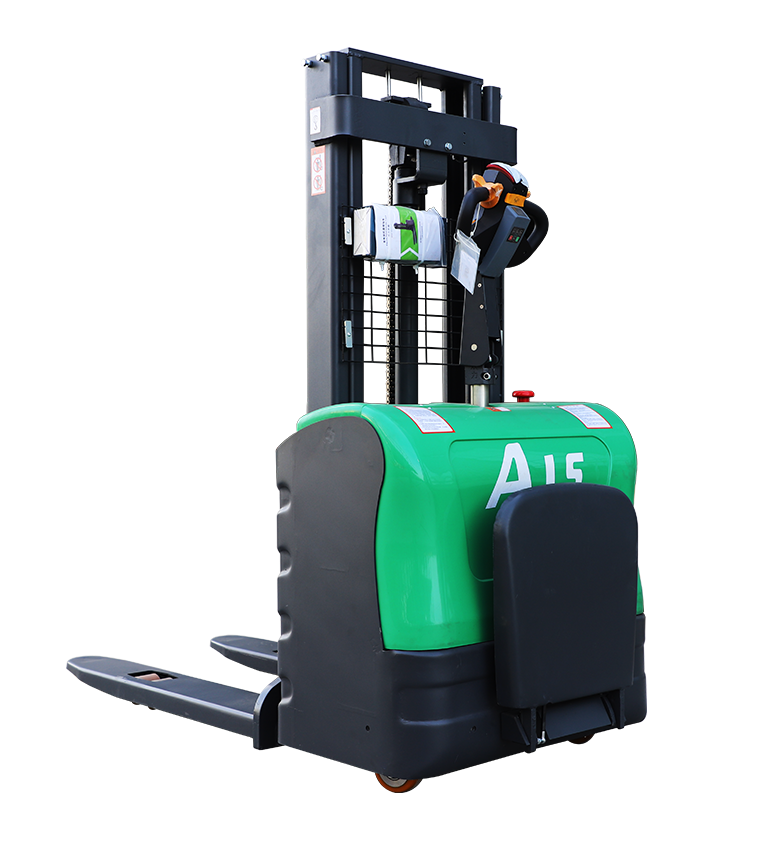
Electric Forklift Stackers: Revolutionizing Warehouse Operations for the Future
Table of Contents
- 1. Introduction to Electric Forklift Stackers
- 2. Benefits of Electric Forklift Stackers in Warehouse Operations
- 3. Key Features of Electric Forklift Stackers
- 4. Applications of Electric Forklift Stackers in Various Industries
- 5. Electric Forklift Stackers vs. Traditional Forklifts
- 6. The Role of Electric Forklift Stackers in Sustainable Warehousing
- 7. The Future of Electric Forklift Stackers
- 8. Frequently Asked Questions (FAQs)
- 9. Conclusion
1. Introduction to Electric Forklift Stackers
As logistics and warehouse operations evolve, **electric forklift stackers** have emerged as pivotal tools for enhancing productivity and efficiency. These machines are designed to handle materials with precision, offering a variety of advantages over their traditional counterparts. In this article, we will delve into the transformative impact of electric forklift stackers on warehouse operations, highlighting their features, benefits, and future trends.
2. Benefits of Electric Forklift Stackers in Warehouse Operations
Electric forklift stackers provide a myriad of benefits that significantly improve warehouse operations:
2.1 Enhanced Efficiency
Electric forklift stackers are known for their speed and agility. They require less time for charging and maintenance compared to internal combustion models. This leads to increased productivity, as operators can complete tasks in less time.
2.2 Cost-Effectiveness
In the long run, electric forklift stackers can reduce operational costs. With lower fuel costs and reduced maintenance requirements, businesses can allocate their budgets more effectively.
2.3 Improved Safety
Safety is paramount in warehouse environments. Electric forklift stackers are typically equipped with advanced safety features such as automatic braking systems and enhanced visibility, reducing the likelihood of accidents.
2.4 Environmentally Friendly
Electric forklifts produce zero emissions, contributing to a cleaner environment. As sustainability becomes a core value for businesses, adopting electric options is a strategic move toward reducing carbon footprints.
3. Key Features of Electric Forklift Stackers
Electric forklift stackers come with a variety of features designed to enhance usability and performance:
3.1 Compact Design
Their compact design enables maneuverability in tight spaces, allowing operators to navigate through narrow aisles without difficulty.
3.2 Advanced Battery Technology
Modern electric stackers utilize advanced lithium-ion batteries, which offer longer life spans, faster charging times, and better performance compared to traditional lead-acid batteries.
3.3 Ergonomic Controls
User-friendly controls and ergonomic designs enhance operator comfort and productivity, reducing fatigue during long shifts.
3.4 Smart Technology Integration
Many electric forklift stackers are equipped with smart technology features, such as telematics systems that monitor performance and maintenance needs in real-time, ensuring optimal operation.
4. Applications of Electric Forklift Stackers in Various Industries
Electric forklift stackers are versatile machines applicable across multiple sectors:
4.1 Retail and E-Commerce
In retail environments, electric stackers streamline operations by efficiently managing stock levels and optimizing storage space. In e-commerce, they facilitate quick order fulfillment.
4.2 Manufacturing
Manufacturing plants utilize electric forklift stackers to manage raw materials and finished goods, ensuring smooth production flows.
4.4 Food and Beverage
In the food industry, electric stackers contribute to maintaining hygiene standards while efficiently handling goods in temperature-controlled environments.
5. Electric Forklift Stackers vs. Traditional Forklifts
When evaluating electric forklift stackers against traditional models, several key differences arise:
5.1 Performance
While traditional forklifts may excel in heavy-duty applications, electric stackers provide superior efficiency and speed in lighter tasks, making them ideal for most warehouse operations.
5.2 Maintenance
Electric forklift stackers require less maintenance due to fewer moving parts and no need for oil changes, representing a significant advantage for warehouse managers.
5.3 Noise Levels
Electric forklifts operate more quietly than their gas-powered counterparts, contributing to a more pleasant working environment.
6. The Role of Electric Forklift Stackers in Sustainable Warehousing
Sustainability is an essential focus for modern businesses. Electric forklift stackers align with eco-friendly initiatives by reducing emissions and energy consumption. Companies that prioritize sustainability can also enhance their brand image and attract eco-conscious customers.
7. The Future of Electric Forklift Stackers
As technology advances, the future of electric forklift stackers looks promising. Innovations such as autonomous driving and machine learning capabilities are on the horizon. These advancements will further enhance efficiency, safety, and productivity, making electric stackers indispensable in warehouse operations.
8. Frequently Asked Questions (FAQs)
8.1 What are electric forklift stackers used for?
Electric forklift stackers are primarily used for lifting and transporting goods within warehouses, distribution centers, and manufacturing facilities.
8.2 How long do electric forklift batteries last?
The lifespan of electric forklift batteries varies but typically ranges from 3 to 7 years, depending on usage and maintenance.
8.3 Are electric forklift stackers more expensive than traditional forklifts?
While the initial investment may be higher for electric stackers, their lower operational costs often make them more cost-effective in the long run.
8.4 Can electric forklift stackers operate outdoors?
Many electric stackers are designed for indoor use. However, some models are available for outdoor applications, featuring weather-resistant components.
8.5 What maintenance do electric forklift stackers require?
Electric forklift stackers require regular battery maintenance, tire inspections, and periodic checks of electrical systems to ensure optimal performance.
9. Conclusion
In conclusion, electric forklift stackers are revolutionizing warehouse operations by offering enhanced efficiency, safety, and sustainability. As businesses strive for operational excellence, the adoption of electric stackers is not just a trend but a strategic move toward a more productive and environmentally friendly future. Investing in these advanced machines positions companies at the forefront of innovation in the logistics and warehousing industry, ensuring they remain competitive in an ever-evolving market.
Contact Us

Professional forklift manufacturer
Products Hotline:+86-19203299111
WhatsApp:+8613582499666
Email:sales@good-forklift.com
Wechat:+86-19203299111
Mobile website