

The Advantages of Using an Electric Forklift Stacker for Heavy Lifting
Jun 10,2025
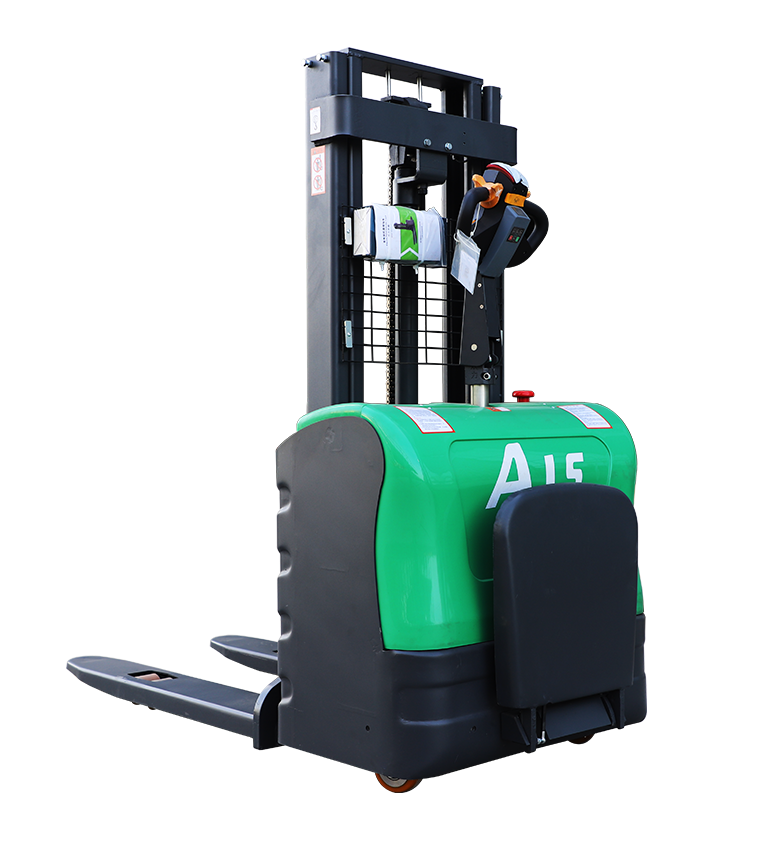
The Advantages of Using an Electric Forklift Stacker for Heavy Lifting
In the ever-evolving landscape of material handling, the demand for efficiency, sustainability, and safety is at an all-time high. Electric forklift stackers have emerged as game-changers in the transportation and warehousing industries, particularly in heavy lifting tasks. By integrating advanced technology with user-friendly design, these electric stackers provide myriad benefits that traditional forklifts simply cannot match. In this article, we will explore the numerous advantages of using electric forklift stackers for heavy lifting, including operational efficiency, environmental impact, and safety features.
Table of Contents
- 1. Understanding Electric Forklift Stackers
- 2. Key Advantages of Electric Forklift Stackers
- 2.1 Enhanced Operational Efficiency
- 2.2 Cost-Effectiveness and Long-Term Savings
- 2.3 Environmental Benefits
- 2.4 Improved Safety Features
- 2.5 Versatile Applications
- 3. Choosing the Right Electric Forklift Stacker
- 4. Case Studies: Success Stories with Electric Forklift Stackers
- 5. Frequently Asked Questions (FAQs)
- 6. Conclusion
1. Understanding Electric Forklift Stackers
Electric forklift stackers are designed to lift and stack heavy loads with minimal effort. Unlike their internal combustion counterparts, electric stackers operate using batteries, making them more suitable for indoor applications due to their lower emissions and quieter operation. These machines come in various configurations, including reach trucks, pallet stackers, and order pickers, making them versatile tools for modern warehouses.
2. Key Advantages of Electric Forklift Stackers
2.1 Enhanced Operational Efficiency
One of the most significant advantages of electric forklift stackers is their operational efficiency. Electric models typically offer faster lifting and lowering speeds than traditional forklifts. They can maneuver easily in tight spaces, which is crucial in high-density storage conditions. With advanced features such as regenerative braking and automatic load sensing, electric stackers optimize performance while minimizing energy consumption.
2.2 Cost-Effectiveness and Long-Term Savings
Investing in electric forklift stackers can lead to substantial cost savings in the long run. Although the initial purchase price may be higher than that of internal combustion models, the lower operating costs, reduced maintenance needs, and longer lifespan of electric stackers make them more economical over time. Additionally, the absence of fuel costs adds to their overall affordability, allowing businesses to allocate resources to more critical areas.
2.3 Environmental Benefits
Electric forklift stackers are environmentally friendly, producing zero emissions during operation. This feature not only contributes to improved air quality within warehouses but also aligns with the growing sustainability goals of many companies. As industries face increasing pressure to reduce their carbon footprints, transitioning to electric stackers can significantly enhance a company’s green credentials.
2.4 Improved Safety Features
Safety is paramount in any material handling operation. Electric forklift stackers come equipped with advanced safety features such as stability control, automatic shut-off, and ergonomic designs to enhance operator comfort. Additionally, many models include integrated sensors to prevent collisions and improve overall workplace safety. By reducing the risk of accidents and injuries, these stackers create a safer working environment for all employees.
2.5 Versatile Applications
Electric forklift stackers are incredibly versatile, suitable for various applications across multiple industries. From warehouses and distribution centers to retail and manufacturing, these machines can handle a wide range of heavy lifting tasks. Their adaptability allows businesses to streamline operations, reduce manual labor, and improve overall productivity.
3. Choosing the Right Electric Forklift Stacker
3.1 Factors to Consider
When selecting the right electric forklift stacker for your needs, several factors should be taken into account. These include:
- Load capacity
- Lift height
- Battery life and charging time
- Maneuverability and dimensions
- Operator comfort and ergonomic features
Assessing these factors will ensure that you choose a stacker that not only meets your operational demands but also enhances safety and efficiency.
3.2 Maintenance and Support
Regular maintenance is crucial to ensure the longevity and optimal performance of electric forklift stackers. It is essential to choose a supplier that offers reliable after-sales support, including maintenance services, spare parts availability, and operator training. This support will ensure that your investment remains productive and efficient over time.
4. Case Studies: Success Stories with Electric Forklift Stackers
Numerous companies have successfully integrated electric forklift stackers into their operations, leading to enhanced efficiency and reduced operational costs. For instance, a leading logistics provider reported a 30% increase in productivity after switching to electric stackers. Similarly, a manufacturing firm saw a significant reduction in workplace accidents due to improved safety features. These real-world examples demonstrate that electric stackers are not merely a trend; they are a viable solution for businesses seeking to improve their material handling processes.
5. Frequently Asked Questions (FAQs)
5.1 What is the average lifespan of an electric forklift stacker?
The average lifespan of an electric forklift stacker is typically 10 to 15 years, depending on usage, maintenance, and the quality of the machine.
5.2 How long does it take to charge an electric forklift stacker?
Charging times can vary, but most electric stackers require between 6 to 8 hours for a full charge. Fast-charging systems may reduce this time significantly.
5.3 Are electric forklift stackers suitable for outdoor use?
While electric forklift stackers are primarily designed for indoor use due to their limited protection against harsh weather, some models are built specifically for outdoor applications. It’s essential to check the manufacturer’s specifications for outdoor capabilities.
5.4 How do electric forklift stackers compare to diesel forklifts in terms of cost?
Electric forklift stackers generally have lower operating costs than diesel forklifts, including savings on fuel, maintenance, and repairs. However, the initial purchase price may be higher for electric models.
5.5 What maintenance is required for electric forklift stackers?
Maintenance for electric forklift stackers includes regular inspection of the battery and charging system, checking the fluid levels, inspecting the lift mechanisms, and ensuring that all safety features are functioning properly.
6. Conclusion
Electric forklift stackers represent a significant advancement in material handling technology, offering unparalleled benefits in efficiency, cost savings, environmental sustainability, and safety. As businesses continue to seek ways to optimize their operations, adopting electric stackers will not only meet current demands but also prepare organizations for future challenges. By understanding the advantages and carefully selecting the right equipment, companies can enhance productivity and create safer working environments for their employees. Make the switch today and experience the transformative impact of electric forklift stackers in heavy lifting operations.
Contact Us

Professional forklift manufacturer
Products Hotline:+86-19203299111
WhatsApp:+8613582499666
Email:sales@good-forklift.com
Wechat:+86-19203299111
Mobile website