

Electric Portable Forklifts: Revolutionizing Cargo Transport Solutions
Jun 08,2025
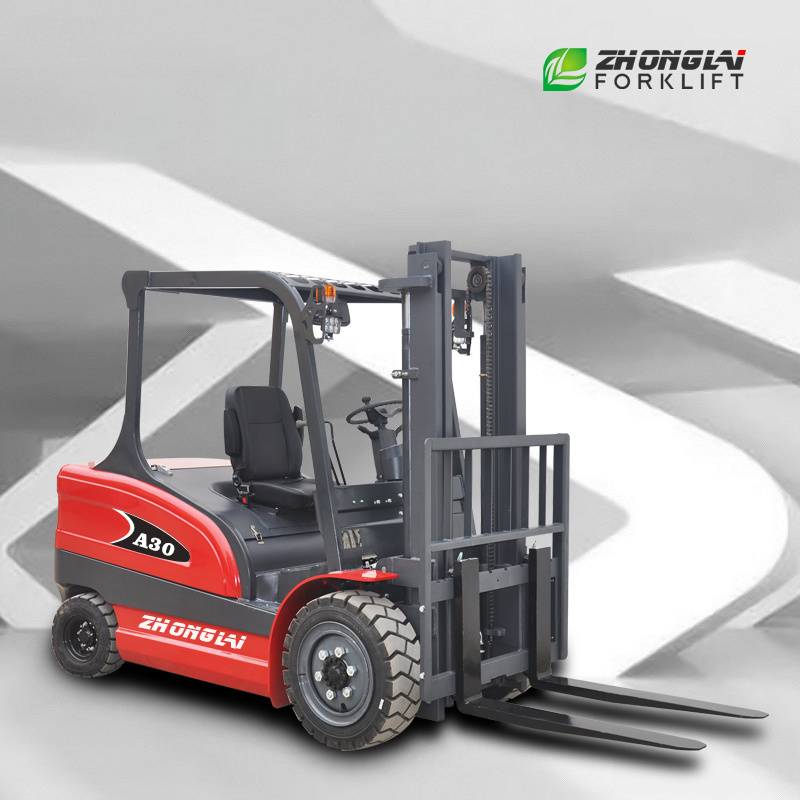
Electric Portable Forklifts: Revolutionizing Cargo Transport Solutions
In today’s fast-paced logistics landscape, the demand for efficient, flexible, and sustainable cargo transport solutions has never been greater. Electric portable forklifts are emerging as game-changers in the industry, providing innovative ways to handle materials and enhance operational efficiency. This article explores the advantages of electric portable forklifts, their features, and how they are reshaping the future of cargo transport.
Table of Contents
- Introduction to Electric Portable Forklifts
- The Advantages of Electric Portable Forklifts
- Key Features of Electric Portable Forklifts
- Applications of Electric Portable Forklifts
- Future Trends in Electric Forklift Technology
- Choosing the Right Electric Portable Forklift for Your Needs
- Maintenance Tips for Electric Portable Forklifts
- FAQs about Electric Portable Forklifts
- Conclusion
Introduction to Electric Portable Forklifts
Electric portable forklifts are compact, efficient machines designed to transport materials in warehouses, construction sites, and retail environments. These forklifts utilize electric power, making them quieter and cleaner than their internal combustion counterparts. As industries seek to improve their operational efficiency while minimizing environmental impact, electric portable forklifts have emerged as an optimal solution.
The Advantages of Electric Portable Forklifts
Cost-Effectiveness and Operational Efficiency
One of the primary benefits of electric portable forklifts is their cost-effectiveness. The initial investment in electric models may be higher than traditional forklifts; however, their lower operating costs quickly offset this. Electric forklifts require less maintenance, as they have fewer moving parts and do not need oil changes. Additionally, the cost of electricity is significantly lower than that of gasoline or diesel, resulting in reduced energy costs.
Environmental Benefits
With increasing regulations on emissions and a global push for sustainability, electric portable forklifts offer an eco-friendly alternative. They emit zero emissions during operation, making them suitable for indoor use in enclosed spaces where air quality is a concern. Moreover, many manufacturers are focusing on sustainable production practices, further minimizing the environmental impact of these machines.
Versatility and Portability
Electric portable forklifts are designed for versatility, allowing them to navigate tight spaces with ease. Their compact size makes them ideal for small warehouses, retail environments, and construction sites. Furthermore, many models feature adjustable forks and attachments, enabling operators to handle a variety of loads and materials, from pallets to oversized items.
Key Features of Electric Portable Forklifts
Battery Technology
Modern electric portable forklifts are equipped with advanced battery technology that enhances performance and longevity. Lithium-ion batteries are becoming increasingly popular due to their rapid charging capabilities and longer life cycles. These batteries allow for quick recharging during breaks and can often last an entire shift without needing a recharge, further maximizing productivity.
Load Capacity and Lift Height
Electric portable forklifts come in various load capacities and lift heights to accommodate different operational needs. Typically, these forklifts can handle loads ranging from 1,500 to 5,000 pounds, with lift heights that vary from 10 to 20 feet. Operators should carefully consider their specific requirements when selecting the right model to ensure optimal performance.
Safety Features
Safety is paramount in material handling operations, and electric portable forklifts come equipped with numerous safety features. These may include automatic braking systems, stable load indicators, and ergonomic designs that reduce the risk of operator fatigue. Additionally, many models have built-in sensors to detect obstacles, enhancing safety in busy environments.
Applications of Electric Portable Forklifts
Electric portable forklifts are utilized across various industries, each benefitting from their unique features. Common applications include:
- Warehousing: Ideal for moving goods within warehouses due to their agility and compact size.
- Retail: Used in stockrooms for efficient inventory management and restocking.
- Construction: Perfect for transporting materials in tight spaces and on uneven surfaces.
- Manufacturing: Support production lines by moving components to assembly areas quickly.
Future Trends in Electric Forklift Technology
The future of electric portable forklifts is promising, with numerous trends shaping their development:
- Automation: Increasing integration of automation technology, including autonomous forklifts, is transforming how materials are handled.
- Telematics: Enhanced connectivity through telematics allows for real-time monitoring of forklift performance and maintenance schedules.
- Advanced Battery Systems: Innovations in battery technology promise longer runtimes and faster charging, improving operational efficiency.
- IoT Integration: Forklifts will increasingly connect to the Internet of Things (IoT), enabling smarter operations and data-driven decision-making.
Choosing the Right Electric Portable Forklift for Your Needs
Selecting the right electric portable forklift involves assessing various factors to ensure optimal performance. Consider the following:
- Load Capacity: Determine the maximum weight you need to lift and choose a model that meets or exceeds that requirement.
- Lift Height: Assess the vertical clearance in your workspace to ensure the forklift can reach the necessary heights.
- Battery Life: Evaluate your operational hours to select a forklift with an appropriate battery capacity.
- Operational Environment: Consider whether the forklift will primarily be used indoors or outdoors, as this can impact your choice of model.
Maintenance Tips for Electric Portable Forklifts
To keep your electric portable forklift in optimal condition, regular maintenance is essential. Here are some key maintenance tips:
- Battery Care: Regularly check battery fluid levels and clean terminals to ensure efficient operation.
- Inspect Tires: Examine tires for wear and maintain proper inflation to ensure safety and performance.
- Check Hydraulics: Inspect hydraulic systems for leaks and ensure fluid levels are adequate for efficient lifting.
- Conduct Regular Inspections: Schedule routine inspections to identify potential issues before they become serious problems.
FAQs about Electric Portable Forklifts
What is the average cost of an electric portable forklift?
The cost varies widely based on brand, model, and specifications, but generally ranges from $15,000 to $30,000.
How long does the battery of an electric forklift last?
Depending on usage and maintenance, lithium-ion batteries can last anywhere from 5 to 10 years.
Are electric forklifts suitable for outdoor use?
Many electric forklifts are designed for indoor use. However, some models are equipped for outdoor applications with rugged features.
How do I charge an electric portable forklift?
Electric forklifts can be charged using standard electrical outlets, and many models come with fast-charging options.
Can electric forklifts operate in cold temperatures?
While electric forklifts can operate in cold temperatures, battery performance may diminish. Proper battery management is essential in colder climates.
Conclusion
Electric portable forklifts are revolutionizing cargo transport solutions by offering cost-effective, versatile, and eco-friendly options for businesses across various industries. Their advanced features and capabilities make them an ideal choice for modern material handling needs. As technology continues to evolve, electric portable forklifts will play an even more significant role in enhancing operational efficiency and sustainability in the logistics sector. Investing in this innovative technology is not just a step toward modernizing your operations; it’s a commitment to a more sustainable and efficient future.
Contact Us

Professional forklift manufacturer
Products Hotline:+86-19203299111
WhatsApp:+8613582499666
Email:sales@good-forklift.com
Wechat:+86-19203299111
Mobile website