

Maximizing Efficiency: The Benefits of Electric Portable Forklifts
Jun 02,2025
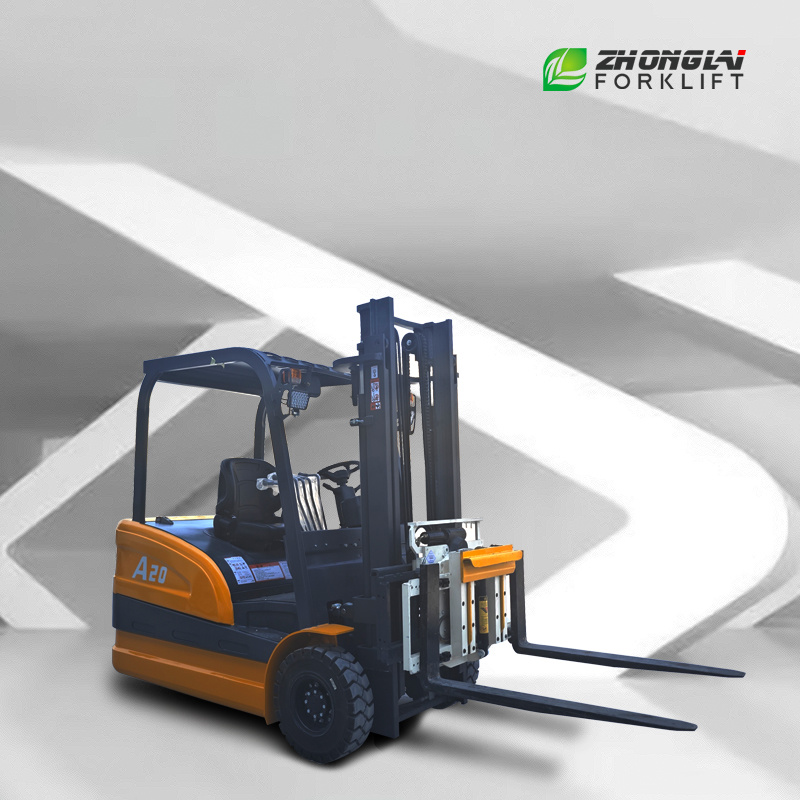
Maximizing Efficiency: The Benefits of Electric Portable Forklifts
Table of Contents
- 1. Introduction to Electric Portable Forklifts
- 2. What Are Electric Portable Forklifts?
- 3. Key Benefits of Electric Portable Forklifts
- 3.1 Efficiency and Productivity
- 3.2 Cost-Effectiveness
- 3.3 Environmental Impact
- 3.4 Versatility and Flexibility
- 4. Electric vs. Gas Forklifts: A Comparison
- 5. Applications of Electric Portable Forklifts
- 6. Maintenance Tips for Electric Portable Forklifts
- 7. Best Practices for Maximizing Efficiency
- 8. Frequently Asked Questions
- 9. Conclusion
1. Introduction to Electric Portable Forklifts
In today’s fast-paced world, **efficiency** is paramount for businesses, especially in the **transportation and logistics** sectors. The need for quick and reliable material handling solutions has led to the growing popularity of **electric portable forklifts**. These machines offer significant advantages over traditional forklifts, enabling businesses to optimize operations while minimizing costs.
In this article, we will discuss the many benefits of electric portable forklifts, explore their applications, and provide tips for maintenance and best practices. By the end, you will understand why investing in electric forklifts can enhance your business operations.
2. What Are Electric Portable Forklifts?
Electric portable forklifts are compact and maneuverable machines powered by electricity, designed to lift and transport materials efficiently. Unlike traditional forklifts that rely on internal combustion engines, these forklifts run on batteries, which can be charged easily, making them suitable for a variety of environments, particularly indoors.
With a lifting capacity that typically ranges from 1,500 to 5,000 pounds, electric portable forklifts are ideal for warehouses, distribution centers, and retail environments. Their portability and ease of use have made them a favorite among businesses looking to streamline their operations.
3. Key Benefits of Electric Portable Forklifts
3.1 Efficiency and Productivity
One of the most significant advantages of electric portable forklifts is their ability to enhance **efficiency and productivity**. Their electric motors provide instant torque, allowing for smoother acceleration and deceleration. This responsiveness enables operators to navigate tight spaces with ease, reducing the time spent moving goods.
Additionally, electric forklifts can operate for extended periods without the need for refueling, as they can be charged during breaks or shifts. This means fewer downtime hours, leading to increased productivity in material handling tasks.
3.2 Cost-Effectiveness
Electric forklifts are known for their **cost-effectiveness** in the long run. While the initial investment may be higher than that of gas forklifts, the ongoing savings in fuel and maintenance costs can be significant. Electric motors have fewer moving parts than internal combustion engines, which translates to lower maintenance costs and less frequent repairs.
Furthermore, businesses can take advantage of government incentives and tax breaks for using eco-friendly equipment, further enhancing the overall cost benefits of electric forklifts.
3.3 Environmental Impact
In an era where sustainability is becoming increasingly important, electric forklifts stand out for their **environmental impact**. They produce zero emissions during operation, making them an eco-friendly choice for businesses looking to reduce their carbon footprint. This is particularly beneficial for indoor environments, where air quality can be compromised by the fumes from gas-powered equipment.
Switching to electric forklifts aligns with corporate sustainability goals, which can enhance a company's reputation and attract environmentally-conscious customers.
3.4 Versatility and Flexibility
Electric portable forklifts are versatile and flexible, making them suitable for a wide range of applications. Their compact design allows them to work in narrow aisles and tight spaces, making them ideal for facilities with limited room for maneuvering.
They can be equipped with a variety of attachments, such as forks, clamps, and booms, to handle different types of materials, from pallets to bulky items. This adaptability makes electric forklifts an excellent choice for businesses with diverse material handling needs.
4. Electric vs. Gas Forklifts: A Comparison
Understanding the differences between electric and gas forklifts is crucial in making an informed decision.
- **Performance**: Electric forklifts provide smoother operation with less noise and vibration compared to gas forklifts, making them preferable in environments sensitive to sound.
- **Fuel Costs**: While gas forklifts require fuel purchases, electric models only need electricity for charging, which can lead to significant savings over time.
- **Maintenance**: Electric forklifts generally have lower maintenance requirements due to fewer moving parts, while gas forklifts need regular oil changes and engine maintenance.
- **Operational Environment**: Electric forklifts excel in indoor environments, while gas forklifts may be more suitable for outdoor operations.
Ultimately, the choice between electric and gas forklifts depends on your specific operational needs and environment.
5. Applications of Electric Portable Forklifts
Electric portable forklifts are incredibly versatile and can be used in various applications, including:
- **Warehousing**: Ideal for moving goods in and out of storage areas efficiently.
- **Retail**: Perfect for stock replenishment and material handling in retail environments.
- **Manufacturing**: Useful for transporting raw materials and finished products within factories.
- **Construction Sites**: Helpful for moving materials in tight spaces where traditional forklifts may not fit.
- **Food and Beverage**: Essential for managing inventory in temperature-controlled environments.
Their adaptability makes them an essential tool in numerous industries.
6. Maintenance Tips for Electric Portable Forklifts
To ensure your electric portable forklifts perform optimally, regular maintenance is essential:
- **Battery Care**: Regularly check and maintain the battery to ensure it operates efficiently. Clean terminals and cables to prevent corrosion.
- **Routine Inspections**: Conduct daily inspections to check for any visible damage or wear and tear.
- **Lubrication**: Keep moving parts well-lubricated to prevent wear and extend the life of the forklift.
- **Software Updates**: If your forklift has advanced technology, ensure software updates are applied regularly to maintain performance.
By adhering to these maintenance practices, you can maximize the lifespan and efficiency of your electric portable forklifts.
7. Best Practices for Maximizing Efficiency
To fully leverage the benefits of electric portable forklifts, consider implementing the following best practices:
- **Training**: Invest in comprehensive training for operators to maximize their effectiveness and safety.
- **Route Optimization**: Analyze and optimize material handling routes to reduce travel time and increase efficiency.
- **Scheduled Maintenance**: Implement a scheduled maintenance program to keep forklifts in top condition.
- **Battery Management**: Develop a battery management plan to ensure batteries are charged optimally and replaced when necessary.
By following these best practices, businesses can enhance the efficiency and lifespan of their electric forklifts.
8. Frequently Asked Questions
1. What is the typical lifespan of an electric portable forklift?
The average lifespan of an electric portable forklift is around 10,000 to 20,000 hours of operation, depending on usage and maintenance.
2. How long does it take to charge an electric forklift?
Charging time can vary, but most electric forklifts can be fully charged in 6 to 8 hours. Fast chargers can reduce this time significantly.
3. Are electric portable forklifts suitable for outdoor use?
While electric forklifts are primarily designed for indoor use, certain models with weather-resistant features can be used outdoors, provided the terrain is suitable.
4. What maintenance is required for electric forklifts?
Regular maintenance includes battery checks, tire inspections, lubrication of moving parts, and routine safety checks.
5. Can electric forklifts be used in cold storage environments?
Yes, electric forklifts can be used in cold storage environments, but specific models are designed to withstand low temperatures and should be used.
9. Conclusion
In conclusion, electric portable forklifts present a myriad of benefits that can significantly enhance the efficiency of material handling operations. From their cost-effectiveness and environmental advantages to their versatility and ease of use, these machines are a worthy investment for businesses across various industries. By incorporating electric forklifts into your operations, you can streamline processes, reduce costs, and contribute to a more sustainable future. As technology advances, making informed choices about equipment will help your business thrive in an increasingly competitive marketplace.
Contact Us

Professional forklift manufacturer
Products Hotline:+86-19203299111
WhatsApp:+8613582499666
Email:sales@good-forklift.com
Wechat:+86-19203299111
Mobile website