

The Future of Material Handling: Electric Forklift Trucks Explained
Mar 10,2025
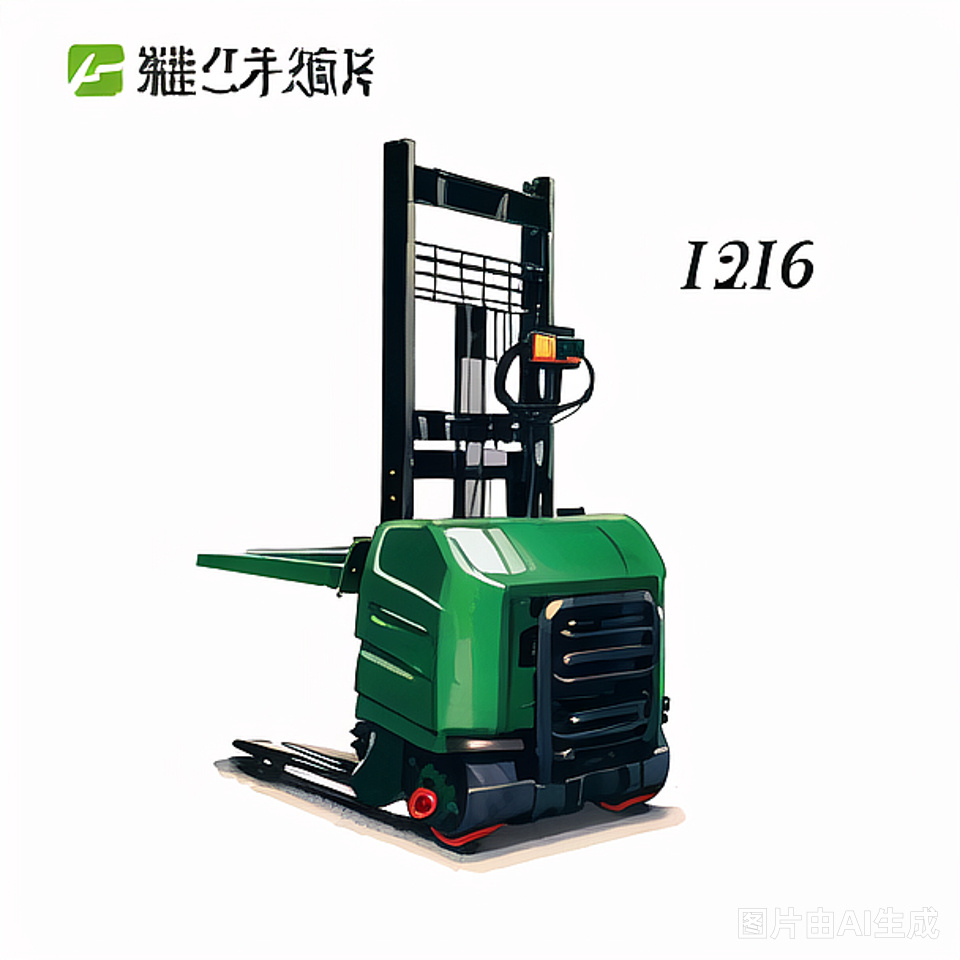
The Future of Material Handling: Electric Forklift Trucks Explained
As industries evolve and the demand for efficiency increases, the material handling sector is witnessing a paradigm shift. Traditional fuel-powered forklifts are gradually being replaced by their electric counterparts. But what does this shift mean for the industry, and why should businesses consider this transition? In this comprehensive guide, we will explore the future of material handling, focusing on electric forklift trucks, their advantages, and how they are revolutionizing logistics and warehousing.
Table of Contents
- 1. Introduction to Electric Forklift Trucks
- 2. Advantages of Electric Forklift Trucks
- 3. Technology Behind Electric Forklift Trucks
- 4. Environmental Impact of Electric Forklifts
- 5. Cost-Efficiency of Electric Forklift Trucks
- 6. How to Choose the Right Electric Forklift
- 7. Maintenance Tips for Electric Forklifts
- 8. Future Trends in Electric Forklift Technology
- 9. Frequently Asked Questions
- 10. Conclusion
1. Introduction to Electric Forklift Trucks
Electric forklift trucks have become a vital component in modern warehouses and distribution centers. Unlike traditional forklifts powered by internal combustion engines, electric forklifts operate on rechargeable batteries, making them more eco-friendly and efficient.
In recent years, the proliferation of e-commerce and the need for faster logistics have accelerated the adoption of electric forklifts. Companies are increasingly recognizing the importance of adopting sustainable practices, and electric forklifts represent a significant step toward achieving that goal.
2. Advantages of Electric Forklift Trucks
2.1 Enhanced Safety Features
Safety is paramount in material handling, and electric forklifts come equipped with advanced safety features. These may include sensors to detect obstacles, automatic speed regulation, and enhanced visibility to reduce the risk of accidents. As a result, workplaces can become safer and more efficient.
2.2 Lower Operating Costs
Electric forklifts tend to have lower operating costs compared to their diesel or gasoline counterparts. The cost of electricity is generally lower than that of fuel, and electric forklifts require less maintenance since they have fewer moving parts and do not require oil changes.
2.3 Reduced Noise Pollution
Electric forklifts operate quietly, making them ideal for indoor environments such as warehouses and retail spaces. This reduction in noise pollution enhances the overall working conditions for employees and minimizes disruptions in surrounding areas.
2.4 Improved Efficiency
Electric forklifts offer superior efficiency, particularly in terms of performance and energy use. They can be charged quickly, allowing for extended usage without the downtime associated with refueling. This enhanced efficiency translates into better productivity and throughput in operations.
2.5 Environmentally Friendly
One of the most significant advantages of electric forklifts is their reduced environmental impact. By utilizing clean energy, electric forklifts contribute to lower carbon emissions, promoting sustainability within the industry.
3. Technology Behind Electric Forklift Trucks
3.1 Battery Technology
Battery technology is at the heart of electric forklift operations. Modern electric forklifts utilize lithium-ion batteries that offer longer lifespans, faster charging times, and greater energy efficiency compared to traditional lead-acid batteries. Understanding the differences between these battery types is crucial for making an informed purchasing decision.
3.2 Smart Technology Integration
Many electric forklifts are now incorporating smart technology, allowing for features such as fleet management systems and real-time monitoring of performance metrics. These technologies enable businesses to optimize their operations, enhance productivity, and ensure the effective use of resources.
3.3 Automated Systems
Automation is the future of material handling. Electric forklifts are increasingly equipped with automation features that enable them to operate autonomously. This capability significantly reduces the need for human intervention, streamlining operations and minimizing human error.
4. Environmental Impact of Electric Forklifts
The shift to electric forklifts represents a crucial step toward reducing the carbon footprint of the logistics industry. By adopting electric forklifts, companies can:
- Minimize greenhouse gas emissions.
- Reduce dependency on fossil fuels.
- Promote the use of renewable energy sources through the integration of solar or wind energy in charging systems.
Furthermore, electric forklifts contribute to improved air quality, especially in indoor settings where traditional forklifts would emit harmful exhaust fumes. The environmental benefits associated with electric forklifts are compelling reasons for businesses to make the switch.
5. Cost-Efficiency of Electric Forklift Trucks
5.1 Upfront Costs vs. Long-term Savings
While the upfront cost of electric forklifts may be higher than that of traditional forklifts, the long-term savings are substantial. The reduced fuel and maintenance costs can lead to significant savings over the lifespan of the equipment. Companies should consider the total cost of ownership when evaluating the financial aspects of their investment.
5.2 Incentives and Rebates
Many governments and organizations offer incentives or rebates for adopting electric vehicles, including forklifts. Companies can take advantage of these programs to alleviate initial costs and support their transition to more sustainable practices.
6. How to Choose the Right Electric Forklift
6.1 Assessing Your Needs
Understanding the specific needs of your operation is essential when selecting an electric forklift. Consider factors such as the type of materials you handle, the size of your facility, and the average weight of the loads.
6.2 Evaluating Performance Specifications
Performance specifications, including lift height, capacity, and battery life, should be carefully evaluated to ensure the forklift meets the demands of your operation. The right specifications can greatly enhance productivity and efficiency.
6.3 Seeking Professional Advice
Consulting with material handling professionals can provide valuable insights into the most suitable electric forklift options for your specific needs. Their expertise can help you navigate the complexities of choosing the best equipment for your business.
7. Maintenance Tips for Electric Forklifts
7.1 Routine Inspections
Regular inspections are crucial for maintaining the longevity and performance of electric forklifts. Ensure that the battery is properly charged, and check for wear and tear on components such as tires, brakes, and forks.
7.2 Battery Care
Proper battery care can extend the lifespan of electric forklifts significantly. Implement a charging schedule that aligns with your operational needs, and avoid overcharging or fully discharging the battery whenever possible.
7.3 Professional Servicing
Engaging qualified technicians for periodic servicing can help identify potential issues before they become significant problems. Regular servicing ensures that your electric forklifts operate at peak performance levels.
8. Future Trends in Electric Forklift Technology
8.1 Advancements in Battery Technology
As battery technology continues to advance, future electric forklifts will likely feature even more efficient batteries with quicker charging times and longer lifespans. Innovations such as solid-state batteries may revolutionize the industry, enhancing performance and safety.
8.2 Increased Automation
We can expect to see even greater automation in electric forklifts, with advancements in robotics and AI. These technologies will improve operational efficiency and reduce the risk of human error, further driving the adoption of electric forklifts in various sectors.
8.3 Sustainable Manufacturing Practices
As sustainability becomes a priority in manufacturing, electric forklift manufacturers are likely to adopt greener production processes. This shift will further enhance the eco-friendliness of electric forklifts.
9. Frequently Asked Questions
9.1 What is the lifespan of an electric forklift?
The lifespan of an electric forklift typically ranges from 5 to 15 years, depending on usage, maintenance, and battery care.
9.2 Are electric forklifts suitable for outdoor use?
While electric forklifts are primarily designed for indoor use, some models are equipped for outdoor applications. It's essential to select the right type for your specific environment.
9.3 How do I charge an electric forklift?
Electric forklifts are charged using a standard charging station. Ensure that the charging process follows the manufacturer's guidelines to maintain battery health.
9.4 Can electric forklifts handle heavy loads?
Yes, electric forklifts come in various models designed to handle different weight capacities, including heavy loads. Be sure to choose a model that meets your operational needs.
9.5 What maintenance is required for electric forklifts?
Maintenance typically includes routine inspections, battery care, and professional servicing to ensure optimal performance and longevity.
10. Conclusion
The transition to electric forklift trucks marks a significant shift in the material handling industry. As businesses strive for greater efficiency, safety, and sustainability, electric forklifts provide an ideal solution. With their numerous advantages, including lower operational costs, enhanced safety features, and reduced environmental impact, electric forklifts are set to become the standard in material handling. As we look to the future, staying informed about advancements in technology and operational practices will be essential for companies aiming to thrive in this evolving landscape. The adoption of electric forklifts is not just a trend; it is a strategic move toward a more sustainable and efficient future in material handling.
Contact Us

Professional forklift manufacturer
Products Hotline:+86-19203299111
WhatsApp:+8613582499666
Email:sales@good-forklift.com
Wechat:+86-19203299111
Mobile website