

The Advantages of Electric Forklifts: A Focus on 2.5 Ton Models
Mar 01,2025
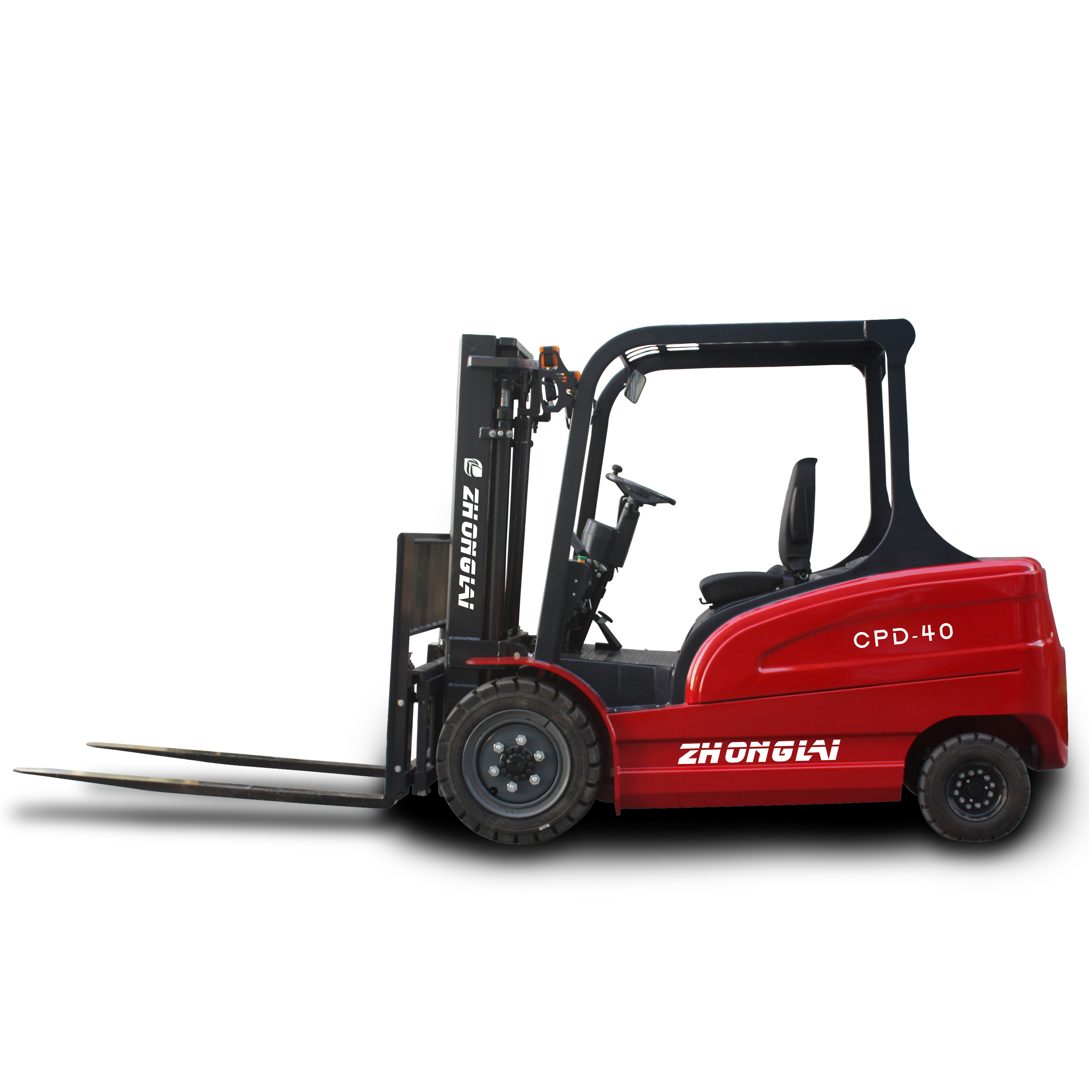
Electric forklifts have gained popularity in recent years, particularly in the transportation and warehousing sectors. The 2.5-ton electric forklift serves as a versatile and efficient tool for handling various loads. Understanding its advantages can help businesses make informed decisions that enhance productivity and sustainability.
One of the primary benefits of electric forklifts, including 2.5-ton models, is their environmental impact. Unlike internal combustion engine forklifts, electric versions produce no exhaust emissions, making them suitable for indoor use and in environments where air quality is essential. This is particularly vital in warehouses and distribution centers, where workers may spend extended periods in close proximity to operating machinery.
Moreover, electric forklifts are generally quieter than their diesel or gas counterparts. The reduced noise levels contribute to a better working environment, minimizing distractions and enhancing communication among team members. This can lead to improved safety as operators can hear warning signals and verbal commands more clearly.
From a technical perspective, 2.5-ton electric forklifts are designed to offer superior performance with lower maintenance requirements. These forklifts often feature advanced battery technology, which not only provides a longer operational time per charge but also reduces the frequency of battery replacements. Lithium-ion batteries, for example, charge faster and have a longer lifespan compared to traditional lead-acid batteries. This allows businesses to maintain productivity without frequent downtimes associated with battery maintenance.
In addition, electric forklifts are equipped with regenerative braking systems, which capture energy during operation and use it to recharge the battery. This feature not only enhances the efficiency of the forklift but also extends the operational range, allowing for greater productivity during shifts.
Safety is another critical aspect of electric forklifts. Many 2.5-ton models come with advanced safety features such as automatic braking systems, height limiters, and stability controls. These features help prevent accidents and ensure that the forklift operates within its safe parameters, protecting both the operator and surrounding personnel.
Furthermore, electric forklifts are often designed with ergonomic considerations in mind. Features such as adjustable seats, intuitive controls, and enhanced visibility contribute to operator comfort, reducing fatigue and the risk of injury.
In conclusion, the 2.5-ton electric forklift stands out as a practical choice for businesses in the transportation and warehousing industry. With advantages such as reduced environmental impact, lower operational costs, and enhanced safety features, electric forklifts represent an investment in both efficiency and sustainability. As companies continue to prioritize eco-friendly practices and improved workplace safety, the adoption of electric forklifts will likely increase, making them a valuable asset in modern logistics and warehousing operations.
One of the primary benefits of electric forklifts, including 2.5-ton models, is their environmental impact. Unlike internal combustion engine forklifts, electric versions produce no exhaust emissions, making them suitable for indoor use and in environments where air quality is essential. This is particularly vital in warehouses and distribution centers, where workers may spend extended periods in close proximity to operating machinery.
Moreover, electric forklifts are generally quieter than their diesel or gas counterparts. The reduced noise levels contribute to a better working environment, minimizing distractions and enhancing communication among team members. This can lead to improved safety as operators can hear warning signals and verbal commands more clearly.
From a technical perspective, 2.5-ton electric forklifts are designed to offer superior performance with lower maintenance requirements. These forklifts often feature advanced battery technology, which not only provides a longer operational time per charge but also reduces the frequency of battery replacements. Lithium-ion batteries, for example, charge faster and have a longer lifespan compared to traditional lead-acid batteries. This allows businesses to maintain productivity without frequent downtimes associated with battery maintenance.
In addition, electric forklifts are equipped with regenerative braking systems, which capture energy during operation and use it to recharge the battery. This feature not only enhances the efficiency of the forklift but also extends the operational range, allowing for greater productivity during shifts.
Safety is another critical aspect of electric forklifts. Many 2.5-ton models come with advanced safety features such as automatic braking systems, height limiters, and stability controls. These features help prevent accidents and ensure that the forklift operates within its safe parameters, protecting both the operator and surrounding personnel.
Furthermore, electric forklifts are often designed with ergonomic considerations in mind. Features such as adjustable seats, intuitive controls, and enhanced visibility contribute to operator comfort, reducing fatigue and the risk of injury.
In conclusion, the 2.5-ton electric forklift stands out as a practical choice for businesses in the transportation and warehousing industry. With advantages such as reduced environmental impact, lower operational costs, and enhanced safety features, electric forklifts represent an investment in both efficiency and sustainability. As companies continue to prioritize eco-friendly practices and improved workplace safety, the adoption of electric forklifts will likely increase, making them a valuable asset in modern logistics and warehousing operations.
Contact Us

Professional forklift manufacturer
Products Hotline:+86-19203299111
WhatsApp:+8613582499666
Email:sales@good-forklift.com
Wechat:+86-19203299111
Mobile website