

Behind the Scenes: The Cutting-Edge Technology Fueling 2nd Ton Electric Forklift Efficiency
Feb 15,2025
Behind the Scenes: The Cutting-Edge Technology Fueling 2nd Ton Electric Forklift Efficiency
Table of Contents
- 1. Introduction to Electric Forklifts
- 2. Understanding 2nd Ton Electric Forklifts
- 3. Battery Technology and Efficiency
- 4. Advanced Power Management Systems
- 5. Integrated Safety Features for Enhanced Performance
- 6. Smart Technology Integration in Forklift Operations
- 7. Environmental Impact and Sustainability
- 8. Cost-Effectiveness and Return on Investment
- 9. Frequently Asked Questions
- 10. Conclusion
1. Introduction to Electric Forklifts
Electric forklifts have revolutionized the material handling industry through efficiency, sustainability, and operational versatility. Among these, the **2nd ton electric forklift** stands out due to its capability to handle moderate loads while being eco-friendly. Understanding the technology driving these machines is crucial for companies aiming to optimize their logistics and warehouse operations.
2. Understanding 2nd Ton Electric Forklifts
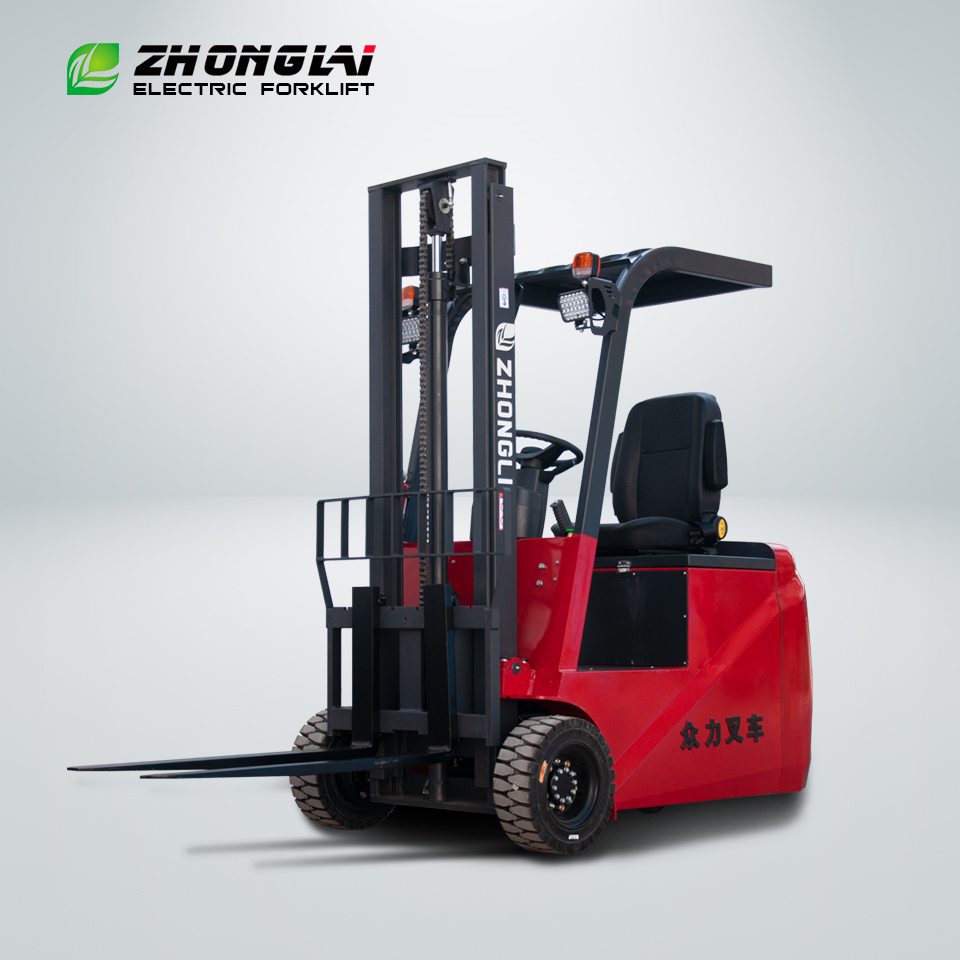
The **2nd ton electric forklift** is designed to lift loads of approximately 2,000 kilograms. These forklifts are ideal for indoor environments where maneuverability and space efficiency are vital. Unlike traditional gas-powered options, electric forklifts produce zero emissions, contributing to a cleaner work environment. This section will explore the key components and functionalities that define these machines.
2.1 Key Components of Electric Forklifts
The primary components of a **2nd ton electric forklift** include:
- **Electric Motors**: Provide power for movement and lifting.
- **Batteries**: Supply energy for operation, with advancements in lithium-ion technology enhancing performance.
- **Chassis and Mast**: Structurally support the forklift and house the lifting mechanism.
- **Control Systems**: Allow for precise operation and automation.
2.2 The Role of Ergonomics
Ergonomics play a significant role in the design of electric forklifts. Features such as adjustable seating, intuitive control layouts, and visibility enhancements contribute to operator comfort and productivity, reducing fatigue and enhancing safety.
3. Battery Technology and Efficiency
The efficiency of a **2nd ton electric forklift** heavily relies on its battery technology. Innovations in battery design have led to increased operational hours, faster charging times, and longer lifespans.
3.1 Lithium-Ion Batteries
Lithium-ion batteries are now the gold standard in electric forklifts. Compared to traditional lead-acid batteries, lithium-ion options offer several advantages:
- **Higher Energy Density**: More power in a smaller package leads to more efficient use of space.
- **Faster Charging**: Reduced downtime with rapid charge capabilities can maintain high operational throughput.
- **Longer Lifespan**: Lower maintenance costs and extended battery life result in better return on investment.
3.2 Battery Management Systems
Battery Management Systems (BMS) in electric forklifts continuously monitor battery health and performance. These systems prevent overcharging and deep discharging, ensuring that the battery operates at optimal efficiency.
4. Advanced Power Management Systems
Power management systems play a pivotal role in maximizing the efficiency of electric forklifts. By optimizing power distribution, these systems enhance performance without sacrificing battery life.
4.1 Regenerative Braking
Many modern electric forklifts feature regenerative braking systems that convert kinetic energy back into electrical energy during braking. This process not only extends battery life but also increases overall operational efficiency.
4.2 Smart Power Distribution
Advanced power distribution algorithms allocate energy efficiently between various components of the forklift. For example, power can be redirected to the lifting mechanism when needed, ensuring optimal performance during critical operations.
5. Integrated Safety Features for Enhanced Performance
Safety is paramount in any material handling environment. **2nd ton electric forklifts** come equipped with numerous integrated safety features designed to protect operators and minimize workplace accidents.
5.1 Proximity Sensors and Cameras
Modern forklifts often include proximity sensors and cameras that enhance visibility and awareness of the surroundings. These features help prevent collisions and accidents, particularly in tight spaces.
5.2 Operator Assist Technologies
Operator-assist technologies, like automatic load stabilization and tilt detection, work in real-time to prevent the risk of tip-overs. These features are essential for maintaining safety in dynamic warehouse environments.
6. Smart Technology Integration in Forklift Operations
The integration of smart technology into the functioning of electric forklifts is a paradigm shift in material handling. This section will explore various technologies that contribute to enhanced efficiency.
6.1 IoT Integration
The Internet of Things (IoT) allows **2nd ton electric forklifts** to connect with warehouse management systems. This connectivity enables real-time data sharing, which can optimize operations and streamline workflows.
6.2 Data Analytics for Performance Improvement
Data analytics tools can monitor and analyze performance metrics of electric forklifts, providing insights into operational efficiency. This information helps organizations make informed decisions regarding maintenance and staffing.
7. Environmental Impact and Sustainability
Sustainability is a crucial consideration for modern businesses. Electric forklifts contribute positively to environmental goals by reducing greenhouse gas emissions and energy consumption.
7.1 Reduced Carbon Footprint
By switching to electric forklifts, companies can significantly reduce their carbon footprint. This shift is vital for businesses committed to sustainability and corporate social responsibility.
7.2 Energy Efficiency Measures
Electric forklifts can be charged during off-peak hours, utilizing renewable energy sources and contributing to energy efficiency initiatives. This approach further enhances their role in promoting sustainable business practices.
8. Cost-Effectiveness and Return on Investment
Investing in **2nd ton electric forklifts** demonstrates considerable cost-effectiveness through lower operating and maintenance costs.
8.1 Lower Fuel Costs
Electric forklifts eliminate the need for costly fuel, reducing overhead expenses. This financial advantage allows businesses to reallocate resources to other critical areas.
8.2 Maintenance Considerations
Electric forklifts require less maintenance than their internal combustion counterparts, as they have fewer moving parts. This factor contributes to lower long-term operational costs, increasing overall ROI.
9. Frequently Asked Questions
9.1 What is the average lifespan of a 2nd ton electric forklift?
The average lifespan of a well-maintained electric forklift is typically between 10 to 15 years.
9.2 How long does it take to charge an electric forklift battery?
Charging times can vary, but lithium-ion batteries generally charge within 1 to 3 hours.
9.3 Are electric forklifts suitable for outdoor operations?
While primarily designed for indoor use, some electric forklifts can be equipped for outdoor operations, depending on terrain and weather conditions.
9.4 What maintenance is required for electric forklifts?
Regular maintenance includes battery checks, tire inspections, and periodic servicing of electrical components to ensure optimal performance.
9.5 How do electric forklifts compare to diesel forklifts in terms of performance?
Electric forklifts generally offer smoother operation and lower running costs, while diesel forklifts may excel in heavy-duty outdoor applications.
10. Conclusion
In summary, the **2nd ton electric forklift** represents a significant advancement in material handling technology. With innovations in battery efficiency, power management, safety features, and smart technology integration, these forklifts are transforming the logistics and transportation industry. Businesses that adopt these technologies not only enhance their operational efficiency but also contribute positively to environmental sustainability. As the industry continues to evolve, understanding and leveraging these technological advancements will be key to maintaining a competitive edge in the market.
Contact Us

Professional forklift manufacturer
Products Hotline:+86-19203299111
WhatsApp:+8613582499666
Email:sales@good-forklift.com
Wechat:+86-19203299111
Mobile website