

Enhancing Operator Comfort: Ergonomic Features of a 2 Ton Electric Forklift
Feb 11,2025
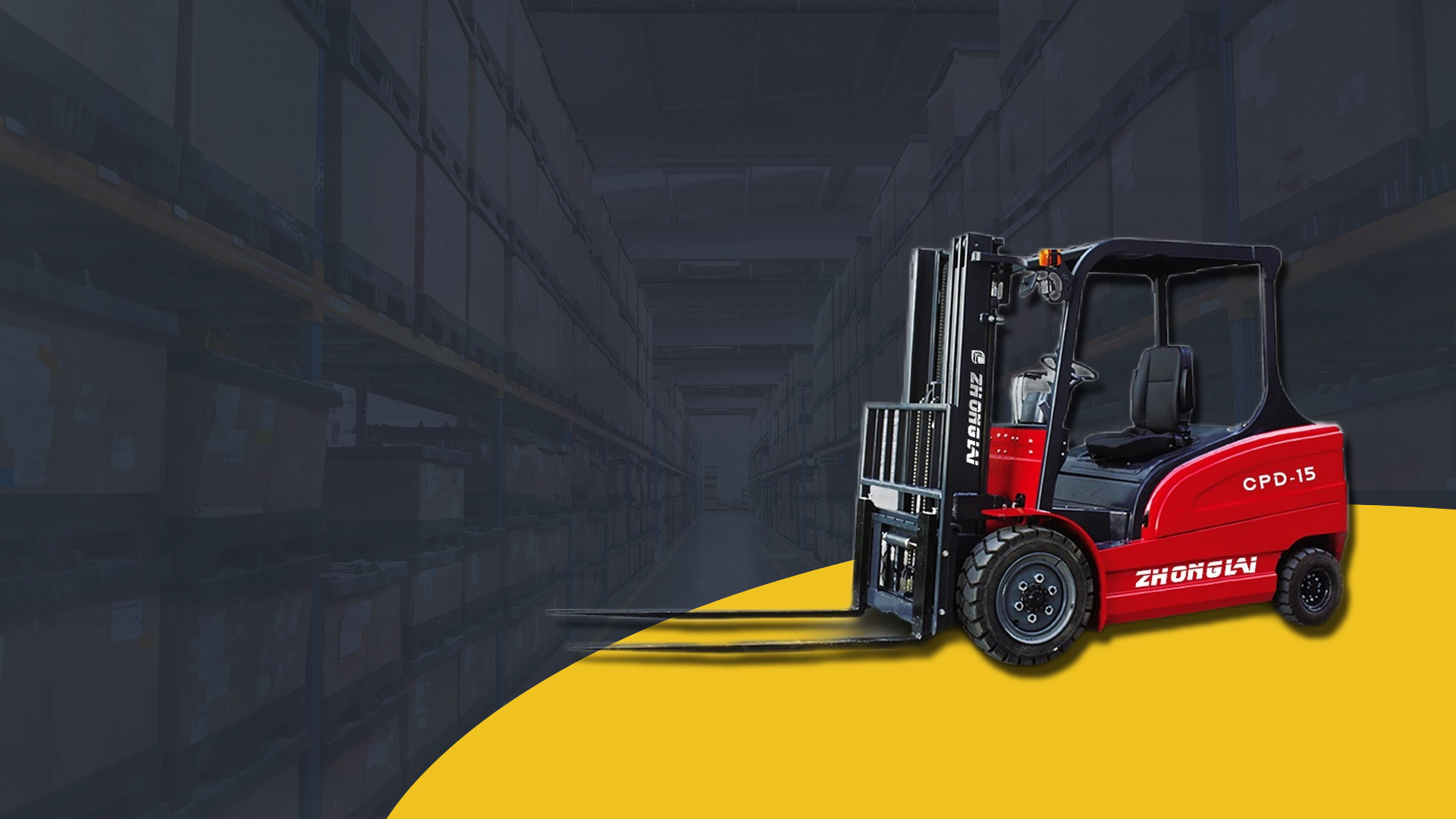
Enhancing Operator Comfort: Ergonomic Features of a 2 Ton Electric Forklift
Table of Contents
- 1. Introduction to Ergonomics in Forklifts
- 2. Importance of Operator Comfort in Material Handling
- 3. Key Ergonomic Design Features of a 2 Ton Electric Forklift
- 3.1. Seat Design and Adjustability
- 3.2. Control Layout and Accessibility
- 3.3. Operator Visibility
- 3.4. Suspension Systems for Comfort
- 3.5. Noise Reduction Features
- 4. Safety Enhancements through Ergonomic Design
- 5. Impact of Ergonomics on Productivity
- 6. Maintenance and Ergonomic Considerations
- 7. The Future of Ergonomics in Forklift Design
- 8. Frequently Asked Questions (FAQs)
1. Introduction to Ergonomics in Forklifts
In the realm of material handling, the design and functionality of equipment play a crucial role in ensuring efficient operations. **Ergonomics**, the science of designing tools and workspaces to fit the user, is particularly significant for operators of **2-ton electric forklifts**. By focusing on operator comfort, manufacturers can enhance safety, increase productivity, and reduce fatigue, leading to a more engaged workforce.
2. Importance of Operator Comfort in Material Handling
Comfort in the workplace directly correlates with productivity. Operators who work in environments that prioritize comfort experience less fatigue, which translates into fewer accidents and higher efficiency. Forklift operators often spend extended periods in their vehicles, making **ergonomic design** a critical factor in workplace safety. When operators are comfortable, they are more focused and capable of performing their tasks effectively.
3. Key Ergonomic Design Features of a 2 Ton Electric Forklift
To truly enhance operator comfort, a **2-ton electric forklift** must incorporate various ergonomic features that address the needs of the operator. Below, we explore some of the most significant design elements.
3.1. Seat Design and Adjustability
The seat of a **2-ton electric forklift** plays a pivotal role in operator comfort. Modern ergonomic seats are designed with adjustable features such as height, tilt, and lumbar support. This adaptability ensures that operators of all sizes can find their optimal seating position, minimizing strain on their backs and promoting proper posture during operation. Additionally, advanced cushioning materials are used to absorb vibrations, further enhancing comfort.
3.2. Control Layout and Accessibility
An intuitive control layout is essential for efficient operation. The controls in a **2-ton electric forklift** should be easily accessible and within reach of the operator without forcing them to stretch or strain. Ergonomic controls, such as joystick steering and ergonomic grips, enable operators to maneuver the forklift comfortably and with precision. This design consideration reduces the risk of repetitive strain injuries, allowing operators to work longer without discomfort.
3.3. Operator Visibility
Visibility is a critical factor in forklift safety and efficiency. A well-designed **2-ton electric forklift** includes features that enhance visibility, such as a **low profile** mast and strategically placed mirrors. Operators need to see their surroundings clearly to avoid obstacles and ensure safe operation. Improved visibility not only enhances comfort but also reduces the likelihood of accidents in busy environments.
3.4. Suspension Systems for Comfort
Forklifts operate in various terrains, from smooth warehouse floors to bumpy outdoor surfaces. A robust **suspension system** in a **2-ton electric forklift** absorbs shocks and vibrations, providing a smoother ride for the operator. This feature significantly enhances comfort, especially during prolonged use, as it reduces the impact of uneven surfaces on the operator's body.
3.5. Noise Reduction Features
Excessive noise can lead to operator fatigue and decreased concentration. Modern **2-ton electric forklifts** incorporate noise-reduction technologies that minimize operational sound levels. Sound-dampening materials and engineering solutions contribute to a quieter working environment, allowing operators to focus on their tasks without unnecessary distractions.
4. Safety Enhancements through Ergonomic Design
Ergonomics in forklift design not only improves comfort but also significantly enhances safety. When operators can perform their tasks without discomfort or distraction, the risk of accidents decreases. Moreover, ergonomic features such as clear visibility, accessible controls, and comfortable seating contribute to safer operation. By reducing the physical strain on operators, these designs help prevent injuries related to fatigue and repetitive motions.
5. Impact of Ergonomics on Productivity
The relationship between ergonomics and productivity is well established. When operators are comfortable, they can perform tasks more efficiently, leading to increased output. Ergonomic features in a **2-ton electric forklift** translate to less time spent on breaks and fewer errors, contributing to overall productivity gains. Businesses that invest in ergonomic equipment often see a notable return on investment through improved operational efficiency.
6. Maintenance and Ergonomic Considerations
Ergonomics also plays a role in the maintenance of **2-ton electric forklifts**. Forklifts designed with maintenance in mind include features that allow easy access to components, reducing the physical strain on technicians. Ergonomically designed maintenance protocols can also streamline the servicing process, minimizing downtime and ensuring that forklifts remain operational for longer periods.
7. The Future of Ergonomics in Forklift Design
As technology advances, the future of ergonomic design in forklifts looks promising. Innovations such as advanced materials, smart sensors, and automated features will continue to reshape the landscape of material handling equipment. Manufacturers are increasingly focusing on creating solutions that enhance operator comfort and safety while improving efficiency. The integration of virtual reality training programs may also play a role in educating operators about ergonomic practices, further promoting a safe working environment.
8. Frequently Asked Questions (FAQs)
What ergonomic features should I look for in a 2-ton electric forklift?
When selecting a **2-ton electric forklift**, look for adjustable seating, intuitive control layouts, excellent visibility, shock-absorbing suspension systems, and noise-reduction features.
How do ergonomic forklift designs improve safety?
Ergonomic designs reduce operator fatigue and distraction, leading to more focused and safer operations. Improved visibility and accessible controls further enhance safety.
Can ergonomic forklifts increase productivity?
Yes, ergonomic forklifts can significantly boost productivity by allowing operators to work more efficiently and reducing downtime related to discomfort or injury.
What materials are used in ergonomic forklift seats?
Ergonomic forklift seats are typically made from high-quality cushioning materials designed to absorb shocks and provide support, promoting comfort during prolonged use.
Are ergonomic forklifts more expensive than standard models?
While ergonomic forklifts may have a higher upfront cost, the long-term benefits in terms of reduced injuries, improved productivity, and operator satisfaction often outweigh the initial investment.
Conclusion
In conclusion, the ergonomic features of a **2-ton electric forklift** are paramount for enhancing operator comfort, safety, and productivity. By investing in forklifts designed with ergonomics in mind, businesses can foster a more effective and engaged workforce. Understanding the critical aspects of ergonomic design—from seat adjustability to control accessibility—enables operators to perform their tasks efficiently and safely. As technology continues to evolve, the future of ergonomic forklifts promises even more advancements, paving the way for a more productive and comfortable working environment in the material handling industry.
Contact Us

Professional forklift manufacturer
Products Hotline:+86-19203299111
WhatsApp:+8613582499666
Email:sales@good-forklift.com
Wechat:+86-19203299111
Mobile website