

Portable Electric Forklifts: Revolutionizing Material Handling for a Sustainable Future
Jan 28,2025
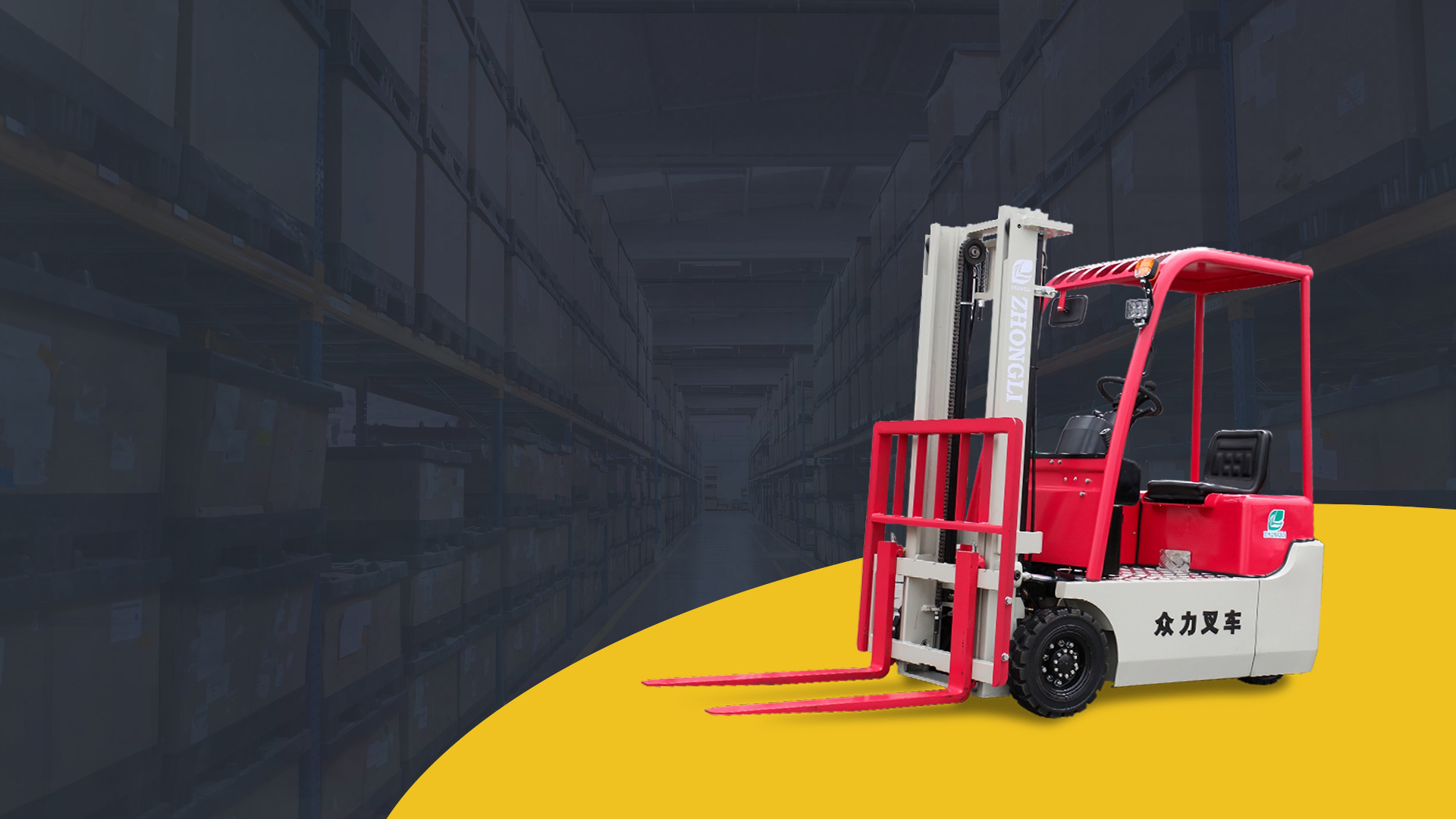
Portable Electric Forklifts: Revolutionizing Material Handling for a Sustainable Future
Table of Contents
- 1. Introduction to Portable Electric Forklifts
- 2. Key Benefits of Portable Electric Forklifts
- 2.1 Eco-Friendly Solutions
- 2.2 Cost Efficiency
- 2.3 Enhanced Safety Features
- 2.4 Increased Productivity
- 3. Advanced Technology in Portable Electric Forklifts
- 4. Applications of Portable Electric Forklifts in Various Industries
- 5. Comparison with Traditional Forklifts
- 6. Future Trends of Portable Electric Forklifts
- 7. Frequently Asked Questions
- 8. Conclusion
1. Introduction to Portable Electric Forklifts
In today's fast-paced industrial landscape, **portable electric forklifts** are emerging as pivotal tools in material handling. These machines are designed for efficiency, safety, and sustainability, making them an ideal choice for warehouses, manufacturing plants, and logistics operations. As the demand for eco-friendly practices rises, businesses are increasingly seeking advanced material handling solutions that not only meet their operational needs but also align with environmental standards. This article explores the myriad advantages of portable electric forklifts and how they are setting a new standard in the industry.
2. Key Benefits of Portable Electric Forklifts
When it comes to modern material handling solutions, portable electric forklifts stand out for several compelling reasons. Let’s delve into their key benefits:
2.1 Eco-Friendly Solutions
One of the most significant advantages of portable electric forklifts is their **minimal environmental impact**. Unlike their gasoline or diesel counterparts, electric forklifts produce zero emissions during operation. This feature not only contributes to a cleaner workplace but also complies with stringent environmental regulations, making them a smart choice for businesses committed to sustainability.
2.2 Cost Efficiency
While the initial investment in electric forklifts may be higher than traditional options, the **long-term savings** can be substantial. Electric forklifts require less maintenance, and their energy costs are significantly lower compared to fuel-powered machines. Additionally, many governments offer incentives for businesses that adopt electric machinery, further enhancing the cost-effectiveness of these forklifts.
2.3 Enhanced Safety Features
Safety is paramount in any material handling operation. Portable electric forklifts are equipped with advanced safety features such as automatic braking, load sensors, and ergonomic designs that reduce operator fatigue. These safety measures not only protect workers but also minimize the risk of costly accidents.
2.4 Increased Productivity
Electric forklifts offer **improved maneuverability** and faster operation compared to traditional forklifts. Their ability to navigate tight spaces and their instant torque contribute to higher productivity levels within warehouses and production facilities. Moreover, the reduced noise levels associated with electric forklifts create a more pleasant working environment, allowing employees to focus better on their tasks.
3. Advanced Technology in Portable Electric Forklifts
The integration of cutting-edge technology is revolutionizing the functionality of portable electric forklifts. Key advancements include:
3.1 Smart Controls
Many modern electric forklifts are outfitted with smart control systems that enhance usability. Features such as **digital dashboards**, real-time monitoring, and diagnostics enable operators to manage their tasks more efficiently and troubleshoot issues quickly.
3.2 Lithium-Ion Batteries
The advent of lithium-ion batteries has transformed the electric forklift landscape. These batteries offer **longer runtimes**, faster charging, and lower maintenance compared to traditional lead-acid batteries, thereby increasing the overall efficiency and reliability of electric forklifts.
3.3 Automation and Robotics
As automation becomes prevalent in material handling, portable electric forklifts are also evolving. Many models now incorporate robotic technology to handle repetitive tasks, allowing human operators to focus on more complex duties and ultimately improving operational efficiency.
4. Applications of Portable Electric Forklifts in Various Industries
Portable electric forklifts are increasingly used across multiple sectors due to their versatility. Here are some common applications:
4.1 Warehousing and Distribution
In warehouses, electric forklifts are essential for stacking, sorting, and transporting goods. Their ability to operate in confined spaces makes them perfect for high-density storage solutions.
4.2 Manufacturing
In manufacturing environments, these forklifts facilitate the movement of raw materials and finished goods, ensuring a smooth workflow and reducing downtime.
4.3 Retail
Retail settings, especially in large stores and distribution centers, benefit from portable electric forklifts to manage inventory and stock shelves efficiently.
4.4 Food and Beverage Industry
Electric forklifts are crucial in the food and beverage industry, where cleanliness and hygiene are paramount. Their low emissions and quiet operation make them ideal for handling sensitive products.
5. Comparison with Traditional Forklifts
When comparing portable electric forklifts to traditional internal combustion forklifts, several distinctions become evident:
5.1 Emissions and Noise Levels
Electric forklifts operate quietly and produce no emissions, making them suitable for indoor environments. In contrast, traditional forklifts can contribute to air pollution and noise disturbances.
5.2 Maintenance Requirements
Electric forklifts generally require less maintenance due to fewer moving parts and a simpler drivetrain. Traditional forklifts often need regular oil changes and engine checks, increasing overall maintenance costs.
5.3 Operational Costs
While the upfront cost of electric forklifts may be higher, the ongoing savings in energy and maintenance make them a more economical choice in the long run.
6. Future Trends of Portable Electric Forklifts
The landscape for portable electric forklifts is evolving rapidly. Some emerging trends include:
6.1 Increased Adoption of Renewable Energy
As businesses strive to reduce carbon footprints, the use of renewable energy sources for charging electric forklifts is on the rise. This trend not only minimizes environmental impact but also can result in significant cost savings.
6.2 Enhanced Integration with IoT
The Internet of Things (IoT) is set to play a crucial role in the future of material handling. By integrating IoT technology, businesses can monitor forklift performance, track usage, and optimize fleet management in real-time.
6.3 Growth of E-Commerce
With the surge in e-commerce, the demand for efficient material handling solutions will continue to rise. Portable electric forklifts are poised to become indispensable tools in meeting the logistical challenges posed by rapidly growing online shopping trends.
7. Frequently Asked Questions
7.1 What is a portable electric forklift?
A portable electric forklift is a battery-powered lifting device designed for moving and handling materials in various settings, particularly in warehouses and manufacturing environments.
7.2 How do electric forklifts compare to gas forklifts in terms of performance?
Electric forklifts offer comparable performance to gas forklifts, with advantages in terms of quiet operation, lower emissions, and reduced maintenance needs.
7.3 What industries benefit the most from using electric forklifts?
Industries such as warehousing, manufacturing, retail, and food and beverage significantly benefit from the use of electric forklifts due to their efficiency and eco-friendliness.
7.4 Are electric forklifts suitable for outdoor use?
While electric forklifts are primarily designed for indoor use, certain models are available for outdoor applications. However, they may not perform as well as gas forklifts in rough outdoor terrain.
7.5 What type of maintenance do electric forklifts require?
Electric forklifts require less maintenance than traditional forklifts. Routine checks include inspecting the battery, ensuring proper tire pressure, and maintaining the electric drive system.
8. Conclusion
**Portable electric forklifts** are undeniably shaping the future of material handling solutions. Their eco-friendly attributes, advanced technology, and enhanced safety features make them a superior choice for businesses looking to optimize operations while adhering to sustainable practices. As industries continue to evolve, the reliance on these versatile machines will only grow, paving the way for a greener and more efficient future in material handling. By investing in portable electric forklifts, companies position themselves at the forefront of innovation, ensuring they meet the demands of a fast-changing market.
Contact Us

Professional forklift manufacturer
Products Hotline:+86-19203299111
WhatsApp:+8613582499666
Email:sales@good-forklift.com
Wechat:+86-19203299111
Mobile website