

Reducing Operational Costs: How a 2 Ton Electric Forklift Can Save Your Warehouse Money
Dec 27,2024
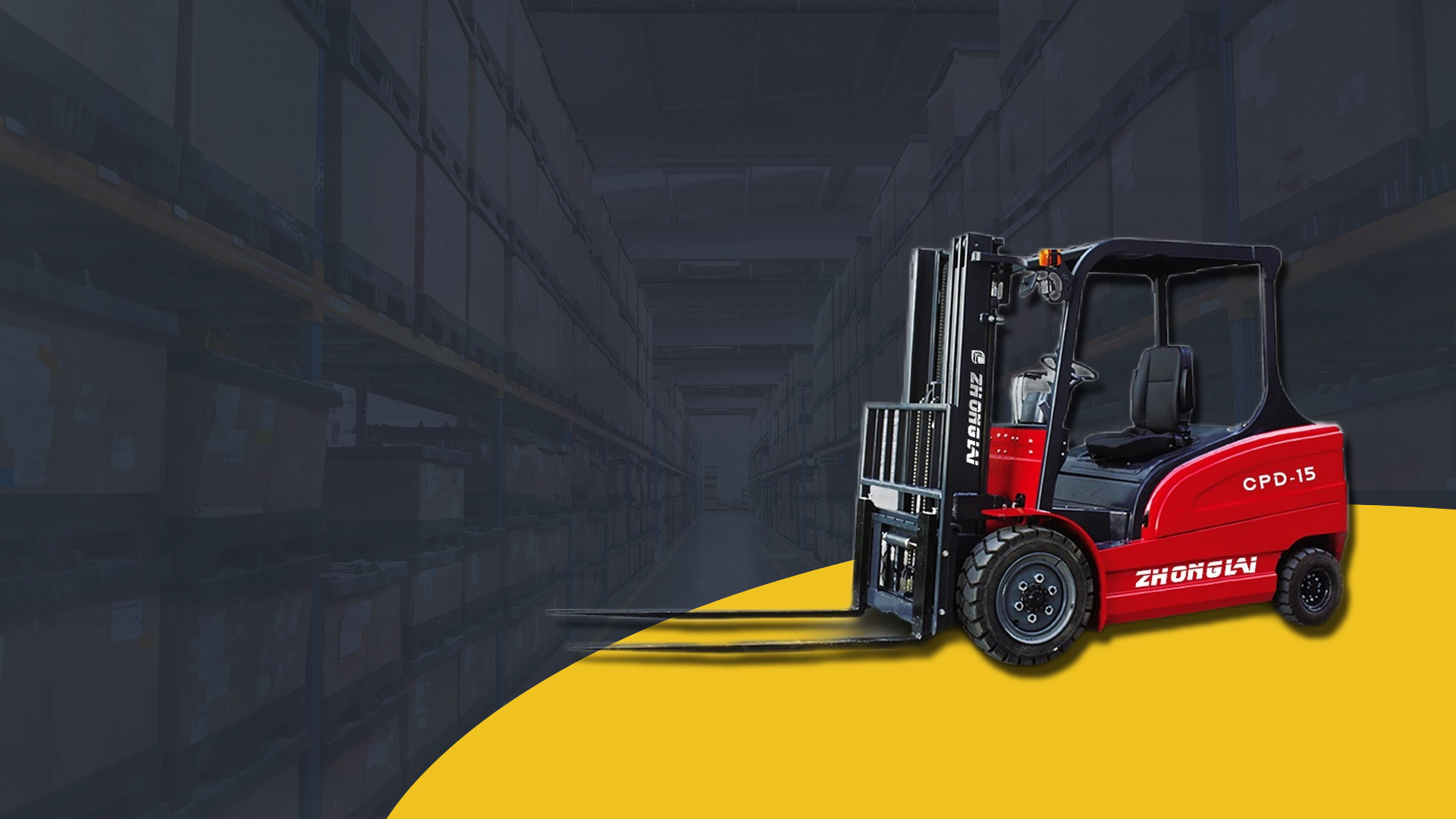
Reducing Operational Costs: How a 2 Ton Electric Forklift Can Save Your Warehouse Money
Table of Contents
- 1. Introduction
- 2. Understanding Operational Costs in Warehousing
- 3. Benefits of Electric Forklifts Over Traditional Forklifts
- 4. Cost Savings Analysis of a 2 Ton Electric Forklift
- 5. Environmental Impact of Electric Forklifts
- 6. Investing in Electric Forklifts: What to Consider
- 7. Common Misconceptions About Electric Forklifts
- 8. Case Studies: Successful Implementation of Electric Forklifts
- 9. Frequently Asked Questions (FAQs)
- 10. Conclusion
1. Introduction
In the modern logistics and warehousing environment, organizations constantly seek innovative solutions to **reduce operational costs**. Among these solutions, the **2-ton electric forklift** stands out as a powerful tool that can not only streamline operations but also drive significant cost savings. This article explores how integrating electric forklifts can transform warehouse operations by enhancing efficiency, cutting down on expenses, and promoting environmental sustainability.
2. Understanding Operational Costs in Warehousing
Operational costs encompass various expenses incurred during the daily functioning of a warehouse. These costs can be divided into several key categories:
2.1 Labor Costs
Labor costs represent one of the most significant expenses for warehouses. These include wages, benefits, and training for employees who operate forklifts and handle goods.
2.2 Equipment Costs
The purchase, maintenance, and depreciation of equipment, including forklifts, play a crucial role in overall operational costs. Understanding these costs is essential for making informed decisions about fleet management.
2.3 Energy Costs
Energy consumption impacts the bottom line considerably, particularly in facilities that operate multiple shifts or utilize energy-intensive equipment.
2.4 Maintenance and Repair Costs
Regular maintenance and unforeseen repairs can eat into a warehouse's profits. Electric forklifts generally require less maintenance, which can significantly reduce these costs.
3. Benefits of Electric Forklifts Over Traditional Forklifts
Electric forklifts offer numerous advantages compared to their diesel or gas-powered counterparts. Here are some benefits that contribute to cost savings:
3.1 Lower Fuel Costs
Electric forklifts run on batteries, which can be charged at a fraction of the cost of traditional fuels. This translates into substantial savings over time.
3.2 Reduced Maintenance Needs
With fewer moving parts and no need for oil changes or exhaust systems, electric forklifts typically require less frequent servicing, leading to lower maintenance costs.
3.3 Enhanced Safety
Electric forklifts produce less noise and no harmful emissions, creating a safer and more comfortable work environment. This can enhance productivity and reduce liability costs associated with workplace accidents.
3.4 Improved Space Efficiency
Electric forklifts often have a smaller physical footprint than traditional forklifts, allowing for better space utilization in crowded warehouses.
4. Cost Savings Analysis of a 2 Ton Electric Forklift
When evaluating the financial benefits of a 2-ton electric forklift, consider the following key areas where cost savings can be realized:
4.1 Fuel and Energy Savings
The transition to electric forklifts can lead to significant **fuel savings**. For instance, electric forklifts can cost about 70% less to operate than internal combustion forklifts. By calculating the average daily operating hours and the cost of electricity versus fuel, warehouses can estimate the potential savings annually.
4.2 Maintenance Costs
According to industry data, electric forklifts incur maintenance costs that are roughly 50% lower than those of their gas or diesel counterparts. This reduction can be attributed to fewer components needing replacement, along with the elimination of oil changes and air filters.
4.3 Operational Efficiency and Productivity
Electric forklifts can operate for longer periods without needing to refuel. Enhanced battery technology allows for extended run times, which can improve overall productivity. In addition, the quiet operation of electric forklifts can lead to fewer disruptions in the warehouse, allowing for smoother workflows.
5. Environmental Impact of Electric Forklifts
Sustainability is becoming increasingly important in warehouse operations. Electric forklifts contribute to greener practices in several ways:
5.1 Reduced Carbon Footprint
By using electric forklifts, warehouses can significantly reduce their carbon emissions. This is particularly important as more businesses strive for sustainability and aim to achieve corporate social responsibility (CSR) goals.
5.2 Compliance with Environmental Regulations
As regulations on emissions tighten, transitioning to electric forklifts can ensure compliance and avoid potential fines. This proactive approach can safeguard the organization’s reputation and enhance its marketability.
5.3 Energy Efficiency
Electric forklifts utilize energy more efficiently than traditional models, further contributing to a smaller environmental impact.
6. Investing in Electric Forklifts: What to Consider
When deciding to invest in a 2-ton electric forklift, several factors should be taken into account:
6.1 Battery Technology
Choose machines equipped with advanced battery technology, such as lithium-ion batteries, for longer run times and faster charging.
6.2 Total Cost of Ownership (TCO)
Evaluate the TCO rather than just the initial purchase price. Include maintenance, operating costs, and potential resale value to make a more informed investment decision.
6.3 Application Suitability
Consider the specific applications and environments where the forklift will be utilized. Ensure that the model meets the operational needs and can handle the average load sizes and heights required.
7. Common Misconceptions About Electric Forklifts
Despite the numerous benefits, misconceptions about electric forklifts persist. Addressing these can help organizations make informed decisions:
7.1 Limited Power and Performance
Many believe that electric forklifts lack the power of diesel models. However, advancements in technology have made electric forklifts more powerful and capable of handling heavy loads.
7.2 High Initial Costs
While electric forklifts may have higher upfront costs, the long-term savings in fuel and maintenance make them a more economical choice.
7.3 Battery Limitations
Concerns about battery lifespan and performance are common. However, with proper care and maintenance, modern batteries can offer exceptional longevity and reliability.
8. Case Studies: Successful Implementation of Electric Forklifts
Several companies have successfully integrated 2-ton electric forklifts into their operations. Here are a few examples:
8.1 Automotive Parts Manufacturer
An automotive parts manufacturer replaced its aging fleet of gas-powered forklifts with electric models. Over the first year, the company reported a 40% reduction in fuel costs and a 30% decrease in maintenance expenses.
8.2 Food Distribution Center
A food distribution center adopted electric forklifts to maintain compliance with strict cleanliness standards. The center not only saved on energy costs but also improved its overall operational efficiency.
9. Frequently Asked Questions (FAQs)
9.1 How long can a 2-ton electric forklift operate on a single charge?
Most 2-ton electric forklifts can operate for 6 to 8 hours on a single charge, depending on the load and working conditions.
9.2 What types of batteries are used in electric forklifts?
Electric forklifts typically use lead-acid or lithium-ion batteries. Lithium-ion batteries offer faster charging times and longer lifespans.
9.3 Are electric forklifts suitable for outdoor use?
While electric forklifts are primarily designed for indoor use, certain models are suitable for light outdoor applications, especially those equipped with weatherproof features.
9.4 How often do electric forklifts need to be charged?
Charging frequency depends on usage, but it’s advisable to recharge when the battery reaches around 20% capacity to prolong battery life.
9.5 What financing options are available for purchasing electric forklifts?
Many manufacturers and dealers offer financing options, including leasing, which can help organizations manage upfront costs while enjoying the benefits of electric forklifts.
10. Conclusion
Integrating a 2-ton electric forklift into your warehouse operations presents a significant opportunity to **reduce operational costs** and enhance overall efficiency. From lower fuel and maintenance costs to improved workplace safety and sustainability, the benefits of electric forklifts are compelling. As the industry continues to evolve, investing in advanced equipment like electric forklifts can position warehouses for success in an increasingly competitive market. Embracing this innovative technology not only fosters cost savings but also contributes to a greener, more sustainable future.
NEXT:
Contact Us

Professional forklift manufacturer
Products Hotline:+86-19203299111
WhatsApp:+8613582499666
Email:sales@good-forklift.com
Wechat:+86-19203299111
Mobile website