

Eco-Friendly Handling: Portable Electric Forklift Technology for a Sustainable Future
Nov 04,2024
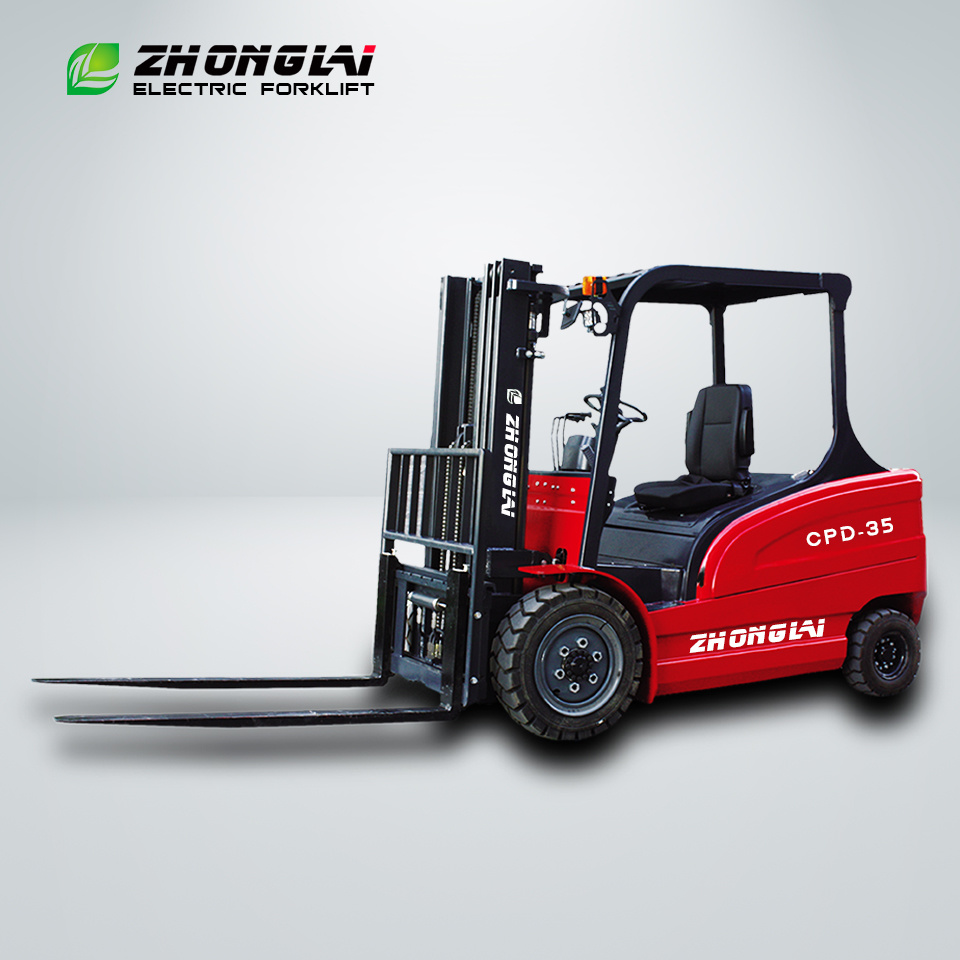
Eco-Friendly Handling: Portable Electric Forklift Technology for a Sustainable Future
The evolution of logistics and transportation has taken a remarkable turn with the introduction of portable electric forklifts. As industries become more aware of their environmental impact, there is a pressing need for sustainable solutions that can handle heavy loads without compromising efficiency. This article delves into the innovative world of portable electric forklift technology, highlighting its benefits, applications, and future prospects in the realm of eco-friendly material handling.
Table of Contents
- What Are Portable Electric Forklifts?
- Benefits of Portable Electric Forklifts
- How Portable Electric Forklifts Work
- Applications of Portable Electric Forklifts
- Comparing Electric and Gas Forklifts
- Future Trends in Portable Electric Forklift Technology
- Environmental Impact of Portable Electric Forklifts
- Frequently Asked Questions
- Conclusion
What Are Portable Electric Forklifts?
Portable electric forklifts are versatile material handling machines designed for ease of transport and operation. Unlike traditional forklifts that may require a significant amount of space and infrastructure, portable electric forklifts offer a compact, lightweight solution. They are powered by electric batteries, providing a cleaner alternative to diesel or gas-powered models. This makes them ideal for indoor and outdoor environments where emissions regulations are stringent.
Key Features of Portable Electric Forklifts
- **Compact Design**: Easily maneuverable in tight spaces.
- **Low Emissions**: Operate without any harmful exhaust fumes.
- **Quiet Operation**: Reduce noise pollution, especially in urban settings.
- **Energy Efficiency**: Utilize advanced battery technology for longer operational hours.
- **Cost-Effective**: Lower maintenance and operational costs compared to traditional forklifts.
Benefits of Portable Electric Forklifts
Investing in portable electric forklifts comes with a multitude of advantages that contribute to both operational efficiency and sustainability.
1. Reduced Environmental Impact
Portable electric forklifts are significantly more eco-friendly than their gas or diesel counterparts. They produce zero direct emissions, helping companies comply with environmental regulations and contribute to a healthier planet.
2. Lower Operating Costs
Electric forklifts generally have lower energy costs compared to gas-powered alternatives. The decrease in fuel expenses, combined with minimal maintenance needs, allows businesses to allocate resources more efficiently.
3. Enhanced Safety
The quiet operation of electric forklifts enhances workplace safety, reducing noise levels that can lead to accidents. Additionally, modern electric models come equipped with advanced safety features, such as stability control and automatic braking systems.
4. Improved Productivity
Portable electric forklifts are designed for quick recharging and longer running times. Businesses can experience increased productivity due to reduced downtime associated with charging and maintenance.
5. Versatility and Flexibility
These forklifts are suitable for various applications, from warehousing to construction sites. Their portability allows easy relocation and usage in different settings, making them an invaluable asset for logistics companies.
How Portable Electric Forklifts Work
Understanding the mechanics behind portable electric forklifts is essential for maximizing their potential in material handling operations.
Battery Systems
Most portable electric forklifts are powered by advanced lithium-ion or lead-acid batteries. These batteries are designed to provide reliable energy sources with minimal charging time and maximum runtime. Lithium-ion batteries, in particular, are gaining popularity due to their lighter weight and higher energy density.
Motor and Drive Systems
Electric forklifts utilize electric motors, which eliminate the need for traditional combustion engines. These motors deliver consistent torque and power, providing optimal performance. Advanced drive systems, such as AC drive technology, enhance efficiency and responsiveness.
Applications of Portable Electric Forklifts
The adaptability of portable electric forklifts makes them suitable for a wide range of industries and applications.
1. Warehousing and Distribution
In warehouses, portable electric forklifts excel at moving goods swiftly and efficiently. Their compact size allows operators to navigate crowded aisles effortlessly.
2. Construction Sites
Electric forklifts can be used on construction sites for transporting materials and equipment. Their ability to operate quietly is especially beneficial in residential areas.
3. Retail and Supermarkets
In retail environments, these forklifts can aid in stocking shelves and moving inventory without causing disturbances or safety hazards.
4. Agriculture
The agricultural sector benefits from portable electric forklifts in tasks such as moving supplies and handling produce, emphasizing eco-friendly practices.
5. Recycling and Waste Management
These forklifts play a crucial role in recycling facilities by efficiently transporting materials while maintaining a low environmental impact.
Comparing Electric and Gas Forklifts
While both electric and gas forklifts offer unique advantages, understanding their differences can help businesses make informed decisions.
1. Emissions
Electric forklifts produce no harmful emissions, while gas forklifts emit pollutants that can be detrimental to health and the environment.
2. Operating Costs
Electric models generally have lower operating costs due to cheaper energy and reduced maintenance needs compared to gas-powered forklifts.
3. Noise Levels
Electric forklifts operate quietly, making them more suitable for indoor applications where noise disturbance is a concern.
4. Energy Source
Electric forklifts rely on battery power, while gas forklifts depend on fuel, leading to differences in refueling and charging practices.
5. Performance
Both types of forklifts can achieve similar performance levels; however, electric forklifts tend to deliver smoother acceleration and better torque at low speeds.
Future Trends in Portable Electric Forklift Technology
The landscape of portable electric forklifts is continuously evolving, driven by technology and innovation.
1. Advanced Battery Technology
With ongoing research, battery technology is expected to improve significantly, leading to even longer runtimes and quicker charging processes.
2. Automation and Robotics
The integration of automation in material handling is becoming more prevalent. Future electric forklifts may feature autonomous capabilities, increasing efficiency and safety.
3. IoT and Connectivity
Incorporating Internet of Things (IoT) technology can allow real-time monitoring of forklift performance, maintenance needs, and operational efficiency.
4. Enhanced Ergonomics
Manufacturers are focusing on improving the ergonomics of electric forklifts, leading to better operator comfort and reduced fatigue during long shifts.
5. Sustainability Initiatives
As sustainability becomes a priority, manufacturers are likely to invest in environmentally friendly materials and production practices for electric forklifts.
Environmental Impact of Portable Electric Forklifts
The environmental benefits of portable electric forklifts extend beyond their reduced emissions. Their efficient operation contributes to a more sustainable supply chain.
1. Energy Efficiency
Electric forklifts consume less energy per operation compared to their gas counterparts, leading to a lower overall carbon footprint.
2. Recycling and Reusability
Many components of electric forklifts can be recycled or reused, minimizing waste and promoting a circular economy.
3. Contribution to Green Logistics
Integrating electric forklifts into logistics operations supports the transition to green logistics, helping companies meet sustainability goals and enhance their corporate image.
Frequently Asked Questions
1. Are portable electric forklifts suitable for outdoor use?
Yes, many portable electric forklifts are designed for outdoor applications, especially those that are weatherproof and equipped with robust tires.
2. How long does it take to charge an electric forklift?
Charging times can vary, but many modern electric forklifts can achieve an 80% charge within 1 to 2 hours with fast-charging options.
3. What is the average lifespan of an electric forklift battery?
With proper maintenance, electric forklift batteries can last between 3 to 5 years, depending on usage and charging practices.
4. Can electric forklifts handle heavy loads?
Yes, electric forklifts come in various types and capacities, with many models capable of lifting heavy loads comparable to gas forklifts.
5. Are there any government incentives for using electric forklifts?
Many governments offer tax incentives, rebates, or grants for businesses that invest in electric forklift technology as part of their commitment to reducing emissions.
Conclusion
Portable electric forklifts represent a significant advancement in the logistics and transportation industry, offering a multitude of benefits that support both operational efficiency and environmental sustainability. As we continue to confront the challenges of climate change and resource depletion, adopting eco-friendly technology becomes imperative. The future of portable electric forklifts looks promising, with ongoing innovations poised to redefine material handling. By embracing this technology, companies can not only enhance their productivity but also play an essential role in building a greener planet.
Contact Us

Professional forklift manufacturer
Products Hotline:+86-19203299111
WhatsApp:+8613582499666
Email:sales@good-forklift.com
Wechat:+86-19203299111
Mobile website