

The Green Solution: Eco-Friendly Benefits of Electric Forklifts
Oct 25,2024
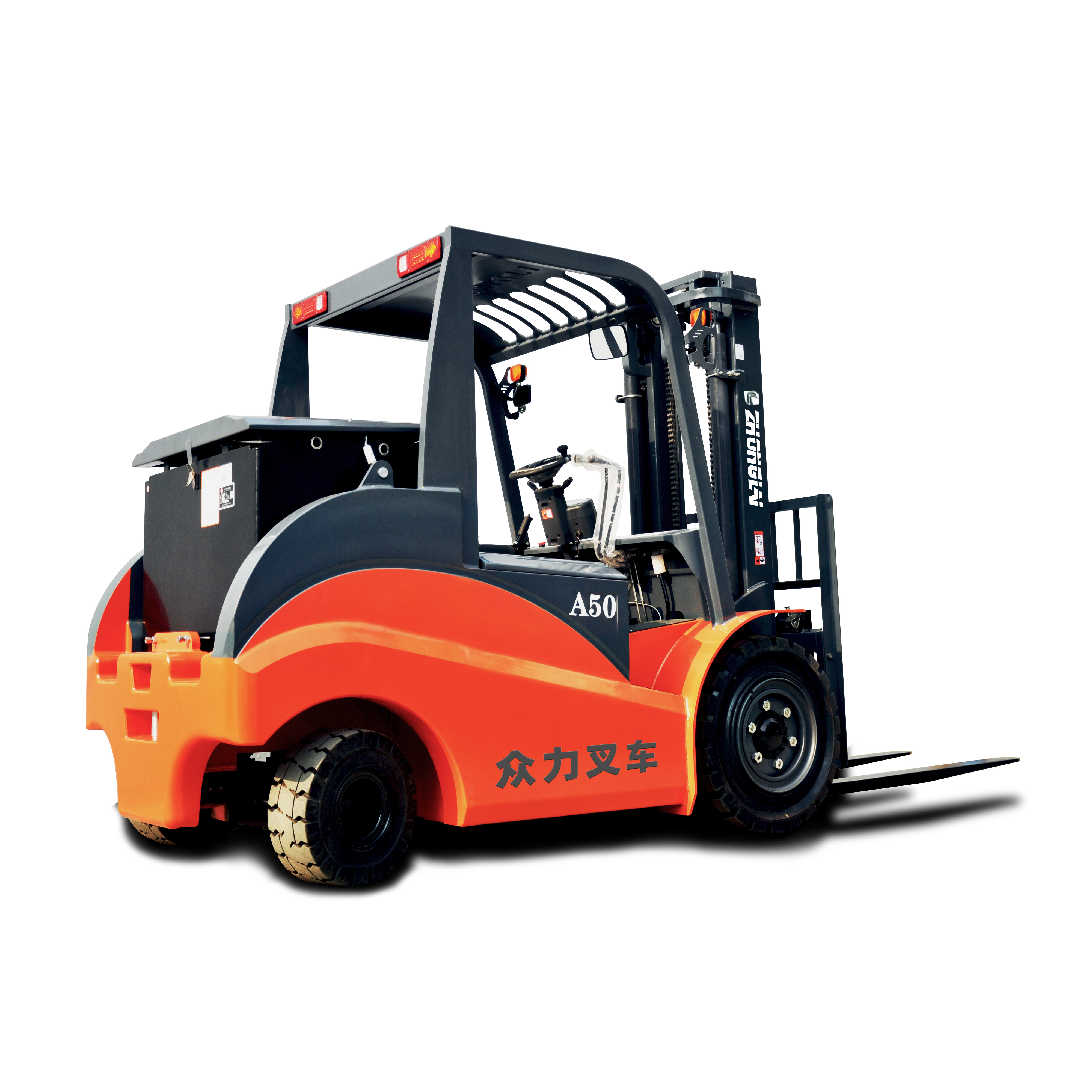
The Green Solution: Eco-Friendly Benefits of Electric Forklifts
In today's rapidly evolving industrial landscape, the push for sustainability has never been more critical. As businesses seek to reduce their carbon footprints and improve operational efficiency, electric forklifts have emerged as a pivotal solution. In this article, we will delve into the myriad eco-friendly benefits that electric forklifts offer, exploring their impact on the environment, operational costs, and workplace safety. Join us as we uncover why making the switch to electric forklifts is not just a trend but a necessity for modern warehouses and transportation sectors.
Table of Contents
- 1. Introduction to Electric Forklifts
- 2. Environmental Impact of Electric Forklifts
- 3. Reducing Operational Costs with Electric Forklifts
- 4. Performance Benefits of Electric Forklifts
- 5. Enhancing Workplace Safety with Electric Forklifts
- 6. Maintenance and Longevity of Electric Forklifts
- 7. Government Incentives for Electric Forklift Adoption
- 8. Case Studies: Success Stories of Electric Forklift Implementation
- 9. Conclusion
- 10. Frequently Asked Questions (FAQs)
1. Introduction to Electric Forklifts
Electric forklifts are powered by rechargeable batteries, making them a cleaner alternative to traditional internal combustion engine (ICE) forklifts. These machines are specifically designed for material handling tasks, providing the power and efficiency needed for various applications in warehouses, distribution centers, and manufacturing facilities. With advancements in technology, electric forklifts have become more versatile and capable, catering to a wide range of industry needs.
2. Environmental Impact of Electric Forklifts
One of the most significant advantages of electric forklifts is their minimal environmental impact. Unlike their diesel or propane counterparts, electric forklifts produce zero tailpipe emissions. This feature plays a crucial role in improving air quality, especially in enclosed spaces such as warehouses. The reduction of greenhouse gases contributes to global efforts in combating climate change.
2.1 Reduced Noise Pollution
Electric forklifts operate quietly, significantly reducing noise pollution in the workplace. This not only enhances the work environment for employees but also minimizes disturbances in nearby residential areas. The quieter operation of electric forklifts allows for extended working hours without the risk of disturbing the surrounding community.
2.2 Sustainable Energy Sources
Furthermore, the shift towards electric forklifts aligns with the global transition to renewable energy sources. By utilizing electricity generated from solar, wind, or hydroelectric power, businesses can further decrease their carbon footprint. This combination of clean operation and sustainable energy use presents a compelling case for the adoption of electric forklifts in logistics and transportation.
3. Reducing Operational Costs with Electric Forklifts
While the initial investment for electric forklifts may be higher than that of traditional models, the long-term operational savings make them a financially sound choice. Electric forklifts typically have lower fuel costs, as electricity is generally cheaper than diesel or propane. Additionally, electric forklifts require less maintenance, reducing overall operational expenses.
3.1 Lower Energy Costs
Electric forklifts can operate for extended periods on a single charge, making them highly efficient. Many businesses have reported significant savings on energy bills after making the switch. Additionally, companies can benefit from off-peak charging rates, further contributing to cost savings.
3.2 Reduced Maintenance Expenses
Electric forklifts have fewer moving parts compared to internal combustion forklifts, leading to lower maintenance requirements. There are no oil changes, fuel filters, or spark plugs to replace, which means reduced labor costs and fewer service disruptions. This reliability translates into increased uptime, further enhancing productivity.
4. Performance Benefits of Electric Forklifts
Electric forklifts are designed to deliver exceptional performance in various applications. With industry advancements, these machines now offer capabilities that rival those of traditional forklifts. The following performance benefits highlight why electric forklifts are a wise investment for any business.
4.1 Enhanced Maneuverability
Electric forklifts are often more maneuverable than their internal combustion counterparts, thanks to their compact design and tight turning radius. This feature allows operators to navigate through narrow aisles and crowded spaces with ease, maximizing warehouse efficiency.
4.2 Instant Torque
Electric forklifts provide instant torque, which translates into faster acceleration and improved lifting capabilities. This efficiency is particularly beneficial in high-demand operations where speed and productivity are essential. Operators can achieve more in less time, driving overall efficiency.
5. Enhancing Workplace Safety with Electric Forklifts
Safety is a top priority in any industrial setting. Electric forklifts contribute to a safer workplace through their design and operational features.
5.1 Reduced Emissions and Improved Air Quality
The absence of harmful emissions from electric forklifts significantly improves indoor air quality. Workers are less exposed to toxic fumes, reducing health risks associated with prolonged inhalation of pollutants. Additionally, the quiet operation of electric forklifts minimizes distractions and allows for better communication among employees.
5.2 Advanced Safety Features
Many electric forklifts come equipped with advanced safety features such as regenerative braking, which not only enhances stability but also extends the life of the brake system. These safety measures, coupled with improved visibility, contribute to a safer working environment.
6. Maintenance and Longevity of Electric Forklifts
One of the key benefits of electric forklifts is their longevity and lower maintenance demands. Properly maintained electric forklifts can operate efficiently for many years, providing excellent return on investment.
6.1 Battery Maintenance
While electric forklifts require battery maintenance, this is often simpler than the maintenance required for internal combustion engines. Regularly checking battery levels, ensuring proper charging practices, and maintaining clean terminals can significantly prolong battery life. Many manufacturers offer robust warranties on their batteries, providing added peace of mind.
6.2 Durability and Reliability
Electric forklifts are built to withstand rigorous industrial environments. Their robust design and fewer moving parts contribute to their durability and reliability, minimizing downtime due to mechanical failures.
7. Government Incentives for Electric Forklift Adoption
As part of the global effort to promote sustainability, many governments offer incentives for businesses that invest in electric forklifts. These incentives can significantly offset initial purchase costs and encourage companies to transition to greener solutions.
7.1 Tax Credits and Rebates
Many jurisdictions provide tax credits or rebates for the purchase of electric forklifts. These financial incentives can ease the transition for businesses, making electric forklifts more accessible and appealing. Companies should check with local and federal governments to identify available programs that support sustainable practices.
7.2 Grants for Sustainable Practices
In addition to tax incentives, various grants are available to companies that commit to sustainability initiatives, including the adoption of electric forklifts. These grants can provide substantial financial support, making it easier to invest in eco-friendly equipment.
8. Case Studies: Success Stories of Electric Forklift Implementation
Real-world examples of businesses that have successfully implemented electric forklifts can provide valuable insights into the benefits and impacts of this decision.
8.1 Case Study: A Major Retailer
A leading retail chain transitioned to electric forklifts in its distribution centers. The switch resulted in a 30% reduction in energy costs and improved air quality within the facilities. Additionally, the retailer reported enhanced employee satisfaction due to the quieter work environment.
8.2 Case Study: Manufacturing Facility
A manufacturing plant adopted electric forklifts to streamline its operations. The plant experienced a significant decrease in maintenance costs and increased productivity, allowing it to meet higher demand without compromising safety or performance.
9. Conclusion
Electric forklifts represent a significant move towards sustainability in the logistics and transportation industry. With their eco-friendly benefits, cost savings, enhanced performance, and improved workplace safety, it is clear that electric forklifts offer a compelling solution for modern businesses. The growing emphasis on green practices and government incentives further supports the adoption of electric forklifts. By embracing this change, companies not only contribute to a healthier planet but also position themselves for long-term success in an increasingly competitive market.
10. Frequently Asked Questions (FAQs)
What are the main advantages of electric forklifts over gas-powered forklifts?
Electric forklifts produce zero emissions, are quieter, require less maintenance, and have lower operational costs compared to gas-powered forklifts.
How long do electric forklift batteries last?
With proper maintenance, electric forklift batteries can last between 4 to 7 years, depending on usage and care.
Are electric forklifts suitable for outdoor use?
While electric forklifts excel in indoor environments, certain models are designed for outdoor use. Always verify the specifications before deployment.
Can I charge electric forklifts overnight?
Yes, charging electric forklifts overnight is common practice, and many businesses take advantage of off-peak electricity rates during this time.
What government incentives are available for electric forklift purchases?
Incentives vary by location but may include tax credits, rebates, and grants designed to promote sustainability and reduce initial investment costs.
PREVIOUS:
Contact Us

Professional forklift manufacturer
Products Hotline:+86-19203299111
WhatsApp:+8613582499666
Email:sales@good-forklift.com
Wechat:+86-19203299111
Mobile website