

Maximizing Productivity: Advantages of Using 2nd Ton Electric Forklifts
Oct 23,2024
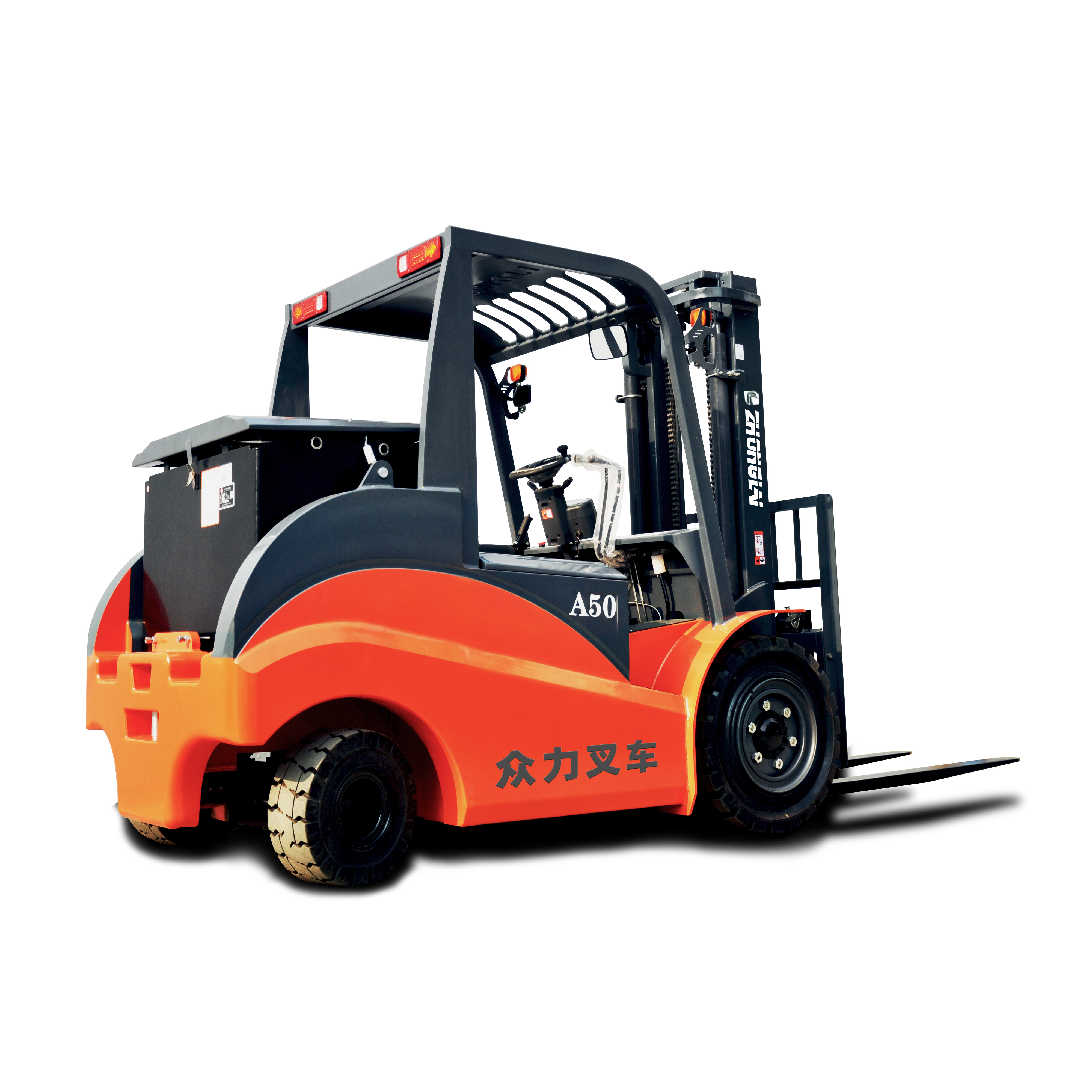
Maximizing Productivity: Advantages of Using 2nd Ton Electric Forklifts
Table of Contents
- Introduction to Electric Forklifts
- What is a 2nd Ton Electric Forklift?
- Benefits of Electric Forklifts Over IC Forklifts
- Enhancing Productivity in Warehouse Operations
- Energy Efficiency and Cost Reduction
- Safety and Environmental Impact
- Maintenance and Longevity of Electric Forklifts
- Investing in 2nd Ton Electric Forklifts
- FAQs
- Conclusion
Introduction to Electric Forklifts
In the rapidly evolving world of logistics and transportation, the demand for efficient and reliable material handling equipment is higher than ever. **Electric forklifts**, specifically the **2nd ton electric forklifts**, have emerged as a game-changer in this field. These machines not only support a variety of warehouse functions but also contribute to sustainable practices by reducing emissions and operational costs. This article delves into the advantages of using 2nd ton electric forklifts to maximize productivity in your operations.
What is a 2nd Ton Electric Forklift?
A **2nd ton electric forklift** is a type of material handling vehicle designed to lift and transport heavy loads efficiently. These forklifts can handle loads weighing up to two tons and are powered by electric batteries. Unlike traditional internal combustion (IC) forklifts, electric models operate quietly, produce zero emissions, and are suitable for both indoor and outdoor applications. The versatility and efficiency of these machines make them ideal for various industries, including warehousing, manufacturing, and logistics.
Benefits of Electric Forklifts Over IC Forklifts
Electric forklifts offer numerous advantages compared to their internal combustion counterparts. Understanding these benefits can help businesses make informed decisions regarding their material handling equipment.
1. Lower Operating Costs
Electric forklifts generally have lower operating costs due to the reduced cost of electricity compared to gasoline or diesel. Additionally, electric forklifts require less maintenance, leading to savings on repairs and downtime.
2. Enhanced Safety Features
Electric forklifts are often equipped with advanced safety features, such as automatic braking systems and improved visibility. This makes them safer for operators and warehouse personnel.
3. Environmental Benefits
By choosing electric forklifts, companies can significantly reduce their carbon footprint. These forklifts produce no exhaust emissions, contributing to cleaner air quality.
Enhancing Productivity in Warehouse Operations
Maximizing productivity in warehouse operations is crucial for maintaining a competitive edge. Implementing **2nd ton electric forklifts** can enhance efficiency in several ways:
1. Streamlined Material Handling
These forklifts enable quick and efficient movement of goods within a warehouse, allowing for faster order fulfillment and inventory management.
2. Improved Maneuverability
With compact designs and improved turning radii, 2nd ton electric forklifts can easily navigate tight spaces, making them ideal for crowded warehouses.
3. Increased Operator Comfort
Electric forklifts are known for their ergonomic features, such as adjustable seats and intuitive controls. Providing a comfortable working environment enhances operator performance and reduces fatigue.
Energy Efficiency and Cost Reduction
One of the standout features of 2nd ton electric forklifts is their energy efficiency. These machines utilize advanced battery technology, often enabling multiple shift operations on a single charge.
1. Battery Technology
Modern electric forklifts use lithium-ion batteries, which offer longer life cycles and faster charging times compared to traditional lead-acid batteries. This capability minimizes downtime and maximizes productivity.
2. Charging Infrastructure
Investing in a robust charging infrastructure can enhance efficiency further. Fast chargers can recharge batteries in under two hours, ensuring that your forklifts are always ready to work.
3. Predictable Costs
Electric power is generally more predictable in terms of pricing compared to fossil fuels, allowing businesses to better manage and forecast operating expenses.
Safety and Environmental Impact
The safety of employees and the environmental footprint of operations are paramount in today's business landscape.
1. Safety Compliance
Electric forklifts contribute to workplace safety by operating quietly, which helps in reducing noise pollution and promoting a calmer work environment. Their design includes features that comply with safety standards, ensuring the protection of operators and bystanders.
2. Reduction of Harmful Emissions
As we aim for sustainability, the use of electric forklifts directly contributes to lowering harmful emissions. This aligns with global efforts to combat climate change and promotes a healthier environment.
3. Health Benefits
By minimizing exposure to diesel fumes, electric forklifts promote better air quality within warehouses, which can significantly impact employees' health and well-being.
Maintenance and Longevity of Electric Forklifts
Regular maintenance is key to maximizing the lifespan of any equipment, including electric forklifts. They are designed to require less maintenance than their IC counterparts, which translates into lower costs and less downtime.
1. Simplified Maintenance
Electric forklifts have fewer moving parts and do not require oil changes, resulting in fewer maintenance tasks. This simplicity allows for easier upkeep and longer operational lifespans.
2. Battery Care
Proper battery maintenance is essential for maximizing the performance and lifespan of electric forklifts. Regularly checking water levels and implementing charging best practices can enhance battery life significantly.
3. Longevity of Equipment
With proper care and maintenance, electric forklifts can last for many years, making them a wise investment for businesses looking to enhance their material handling capabilities.
Investing in 2nd Ton Electric Forklifts
Investing in 2nd ton electric forklifts is not just about purchasing equipment; it's about making a strategic choice that benefits your entire operation.
1. Cost-Benefit Analysis
Conducting a thorough cost-benefit analysis can help businesses understand the long-term savings associated with purchasing electric forklifts. Consider factors such as energy savings, maintenance costs, and productivity gains when making your decision.
2. Training and Integration
Integrating electric forklifts into existing operations may require initial training for operators. Investing in comprehensive training ensures that your team can maximize the benefits of these advanced machines.
3. Future-Proofing Your Operations
As regulations tighten around emissions and sustainability, investing in electric forklifts positions your company as a forward-thinking leader in the industry. This proactive approach not only safeguards your operations but also enhances your reputation.
FAQs
1. What is the average lifespan of a 2nd ton electric forklift?
The average lifespan of a well-maintained 2nd ton electric forklift is typically around 10 to 15 years.
2. How often should I charge the battery of an electric forklift?
It's recommended to charge the battery after each shift for optimal performance. However, depending on usage, it may sometimes be necessary to charge more frequently.
3. Are electric forklifts suitable for outdoor use?
Yes, many electric forklifts are designed for outdoor use, provided they are equipped with the right tires and have adequate weatherproofing.
4. What are the maintenance requirements for electric forklifts?
Electric forklifts require less maintenance than IC forklifts. Regular checks on the battery, tires, and brakes, along with periodic inspections by a qualified technician, are essential.
5. How do I choose the right electric forklift for my operations?
Consider factors such as load capacity, lift height, workspace dimensions, and the type of materials being handled when selecting the appropriate electric forklift.
Conclusion
The adoption of **2nd ton electric forklifts** represents a significant opportunity for businesses to enhance productivity, reduce operational costs, and contribute to a sustainable future. With their numerous advantages, including lower operating expenses, improved safety, and environmental benefits, these forklifts are invaluable assets for any warehouse or logistics operation. By investing in the right equipment and ensuring proper training and maintenance, your business can transform its material handling processes and stay ahead in a competitive market. Embrace the future of warehousing with 2nd ton electric forklifts and reap the rewards of enhanced efficiency and sustainability.
Contact Us

Professional forklift manufacturer
Products Hotline:+86-19203299111
WhatsApp:+8613582499666
Email:sales@good-forklift.com
Wechat:+86-19203299111
Mobile website