

Electric Legless Stacker vs Traditional Forklifts: Which is the Best Choice for Your Business?
Oct 10,2024
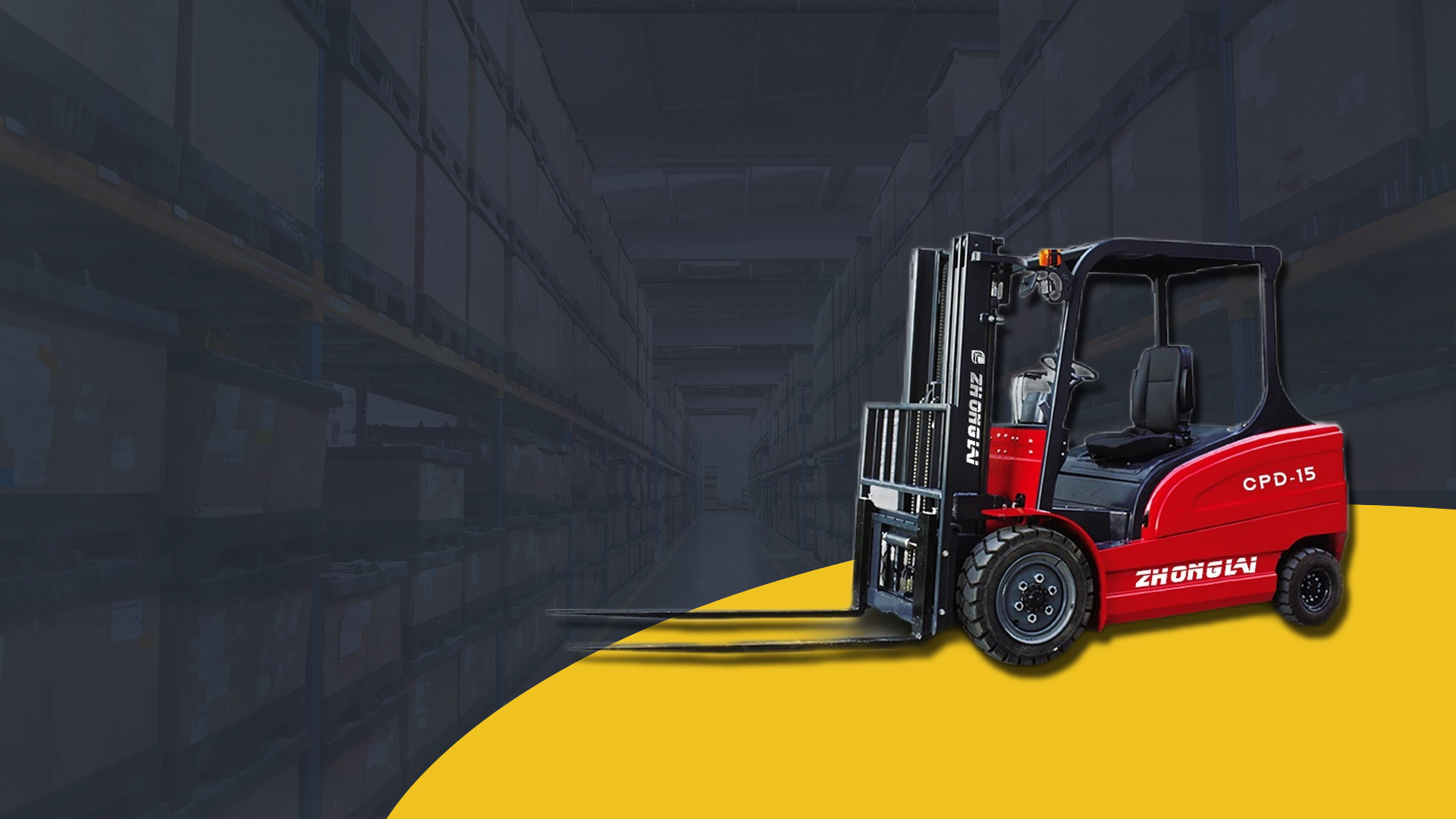
Electric Legless Stacker vs Traditional Forklifts: Which is the Best Choice for Your Business?
Table of Contents
- Introduction
- Understanding Electric Legless Stackers
- Traditional Forklifts Overview
- Key Differences Between Electric Legless Stackers and Traditional Forklifts
- Advantages of Electric Legless Stackers
- Disadvantages of Electric Legless Stackers
- Advantages of Traditional Forklifts
- Disadvantages of Traditional Forklifts
- Ideal Applications for Electric Legless Stackers
- Best Use Cases for Traditional Forklifts
- Cost Considerations
- Safety Implications
- Maintenance and Service Requirements
- Conclusion
- FAQs
Introduction
In the fast-paced world of logistics and warehousing, choosing the right equipment can significantly impact operational efficiency and overall productivity. Among the various options available, **electric legless stackers** and **traditional forklifts** stand out as two popular choices. Each has its unique features, benefits, and drawbacks that cater to different needs and environments. In this article, we will delve deep into both types of equipment to help you determine which is best suited for your business operations.
Understanding Electric Legless Stackers
Electric legless stackers are designed for vertical lifting and stacking without the need for a physical leg support system, allowing operators to maneuver easily in tight spaces. These stackers are powered by batteries, making them environmentally friendly and less noisy than their fuel-powered counterparts. With their compact design, electric legless stackers excel in storing goods on high shelves and transporting items across short distances within warehouses.
Key Features of Electric Legless Stackers
1. **Compact Size**: Their small footprint allows them to operate in narrow aisles and confined spaces.
2. **Electric Power**: They use batteries, which reduces emissions and noise levels, contributing to a safer work environment.
3. **User-Friendly Controls**: Many models come equipped with ergonomic controls that simplify operation, making them accessible for all workers.
4. **High Lifting Capacity**: Despite their size, electric legless stackers can lift a significant amount of weight, making them efficient for stacking operations.
Traditional Forklifts Overview
Traditional forklifts have been a staple in the material handling industry for decades. These machines are typically powered by internal combustion engines or electric batteries and can lift and transport heavy loads across varying distances. Forklifts come in various sizes and capacities, making them versatile for numerous applications, from construction sites to large distribution centers.
Key Features of Traditional Forklifts
1. **Versatility**: Available in various types, including counterbalance, reach, and pallet jacks, traditional forklifts can handle many tasks.
2. **High Weight Capacity**: They are capable of lifting heavy loads that exceed the capacity of lighter stackers.
3. **Durability**: Built for tough environments, traditional forklifts are often rugged and reliable.
4. **Stability**: Forklifts have a stable base that allows for secure lifting and transporting of heavy materials.
Key Differences Between Electric Legless Stackers and Traditional Forklifts
Understanding the differences between electric legless stackers and traditional forklifts can help businesses make informed decisions regarding their material handling needs.
1. Design and Size
Electric legless stackers are generally more compact than traditional forklifts, making them better suited for tight spaces. This compact design enables easier navigation through narrow aisles, while forklifts require more space due to their larger size.
2. Power Source
Electric legless stackers rely on battery power, making them quieter and better for indoor use. Traditional forklifts can be powered by gasoline, diesel, or electricity, offering flexibility depending on the application.
3. Lifting Capacity
While electric legless stackers are ideal for moderate weight lifting, traditional forklifts have a significantly higher lifting capacity, making them more suitable for heavy-duty applications.
4. Maneuverability
Electric legless stackers excel in maneuverability due to their compact design, allowing operators to navigate tight spaces easily. Traditional forklifts, while robust, may struggle in narrow aisles due to their larger turning radius.
Advantages of Electric Legless Stackers
Electric legless stackers offer several benefits that make them an appealing choice for certain applications.
1. Reduced Noise Levels
Since electric legless stackers operate quietly, they are ideal for indoor environments where noise pollution is a concern, such as retail settings or warehouses located near residential areas.
2. Environmentally Friendly
With zero emissions, electric legless stackers contribute to a healthier work environment. Businesses looking to reduce their carbon footprint will find these stackers a favorable choice.
3. Low Maintenance Costs
Electric stackers generally require less maintenance than traditional forklifts, as they have fewer mechanical components and do not require oil changes.
4. Enhanced Operator Safety
The compact design and user-friendly controls of electric legless stackers reduce the risk of accidents, making them a safer option for operators.
Disadvantages of Electric Legless Stackers
While electric legless stackers offer numerous benefits, they also come with some drawbacks.
1. Limited Lifting Capacity
The lifting capacity of electric legless stackers is lower than that of traditional forklifts, which may limit their use in heavy-duty applications.
2. Battery Dependency
Electric stackers require regular battery charging, which can lead to downtime if not managed properly. Additionally, battery replacement can be costly over time.
Advantages of Traditional Forklifts
Traditional forklifts have their own set of benefits, making them suitable for various applications.
1. High Lifting Capacity
Traditional forklifts can handle a broader range of heavy loads, making them ideal for construction sites and warehouses that require lifting substantial weights.
2. Versatile Applications
With different types of forklifts available, businesses can find a model that fits their specific operational needs, whether it be for narrow aisles or outdoor use.
3. Robust Durability
Designed to withstand tough conditions, traditional forklifts often have a longer lifespan, making them a reliable choice for demanding environments.
Disadvantages of Traditional Forklifts
Despite their advantages, traditional forklifts come with certain limitations.
1. Higher Noise Levels
Traditional forklifts powered by internal combustion engines can be noisy, potentially leading to noise complaints in indoor or residential areas.
2. Environmental Impact
Forklifts that use fossil fuels contribute to air pollution, which may concern businesses aiming for sustainability.
Ideal Applications for Electric Legless Stackers
Electric legless stackers are perfect for specific environments and tasks, including:
1. Warehouses with Narrow Aisles
Their compact design allows for efficient operation in tight spaces, making them ideal for warehouses with narrow shelving.
2. Retail Environments
Electric legless stackers are well-suited for retail settings, where noise and emissions need to be minimized.
3. Low to Moderate Weight Handling
Best for lifting and moving items that are not excessively heavy, electric stackers can handle moderate loads effectively.
Best Use Cases for Traditional Forklifts
Traditional forklifts are suitable for various applications, such as:
1. Heavy-Duty Lifting
Ideal for construction sites or warehouses handling heavy pallets or materials, traditional forklifts excel in high-capacity lifting.
2. Outdoor Operations
Many traditional forklifts are designed to operate in outdoor settings, making them versatile for various types of work environments.
3. Diverse Material Handling
With their ability to handle a wide variety of loads, traditional forklifts are used in many industries, from manufacturing to logistics.
Cost Considerations
When evaluating electric legless stackers and traditional forklifts, it is crucial to consider the cost implications of each option.
1. Purchase Price
Electric legless stackers typically have a lower initial purchase price than traditional forklifts, making them an attractive option for small businesses or those operating on a budget.
2. Operating Costs
While electric stackers may have lower maintenance costs, traditional forklifts may provide better long-term value for heavy-duty applications due to their increased durability and versatility.
3. Battery Replacement and Fuel Costs
Businesses should factor in the costs of battery replacement for electric stackers and fuel expenses for traditional forklifts, as these can vary significantly based on usage.
Safety Implications
Safety is a paramount concern in any workplace. Understanding the safety implications of electric legless stackers and traditional forklifts can help businesses make informed decisions.
1. Training and Certification Requirements
Both equipment types require proper training and certification for operators to ensure safe usage.
2. Risk of Accidents
While electric legless stackers have a smaller turning radius and are easier to maneuver, traditional forklifts may pose a higher risk of accidents in tight spaces due to their larger size and weight.
Maintenance and Service Requirements
Understanding the maintenance needs of both electric legless stackers and traditional forklifts is essential for ensuring long-term performance and safety.
1. Regular Maintenance Schedules
Both equipment types require regular inspections and maintenance, but electric stackers typically have lower service demands.
2. Component Wear and Tear
Traditional forklifts may experience more wear and tear on components like tires and brakes, necessitating more frequent replacements.
Conclusion
Choosing the right material handling equipment for your business can significantly impact operational efficiency and productivity. **Electric legless stackers** and **traditional forklifts** each offer unique advantages and drawbacks, catering to different needs and environments. By carefully analyzing your specific requirements—such as load capacity, space constraints, and noise considerations—you can make an informed decision that aligns with your business goals.
Ultimately, whether you opt for an electric legless stacker or a traditional forklift, investing in the right equipment will enhance your operational efficiency and contribute to your bottom line.
FAQs
1. What is the main difference between an electric legless stacker and a traditional forklift?
The primary difference lies in their design, lifting capacity, and maneuverability. Electric legless stackers are compact and quieter, making them suitable for tight spaces and indoor environments, whereas traditional forklifts have a higher lifting capacity and are more versatile for outdoor use.
2. Are electric legless stackers safe to use?
Yes, electric legless stackers are generally safe to operate, especially in environments where noise and emissions need to be minimized. Proper training and adherence to safety protocols are essential.
3. Can traditional forklifts be used indoors?
Yes, traditional forklifts can be used indoors, especially electric models; however, gasoline or diesel-powered forklifts may not be suitable due to emissions and noise levels.
4. How often do electric legless stackers need maintenance?
Electric legless stackers typically require less frequent maintenance than traditional forklifts, but regular inspections should be conducted to ensure optimal performance.
5. What should I consider when choosing between electric legless stackers and traditional forklifts?
Consider factors such as load capacity, operating environment, maneuverability, cost, and safety requirements to determine which equipment best fits your operational needs.
Contact Us

Professional forklift manufacturer
Products Hotline:+86-19203299111
WhatsApp:+8613582499666
Email:sales@good-forklift.com
Wechat:+86-19203299111
Mobile website