

Understanding Portable Electric Forklifts: A Comprehensive Guide for Transport and Warehousing
Oct 01,2024
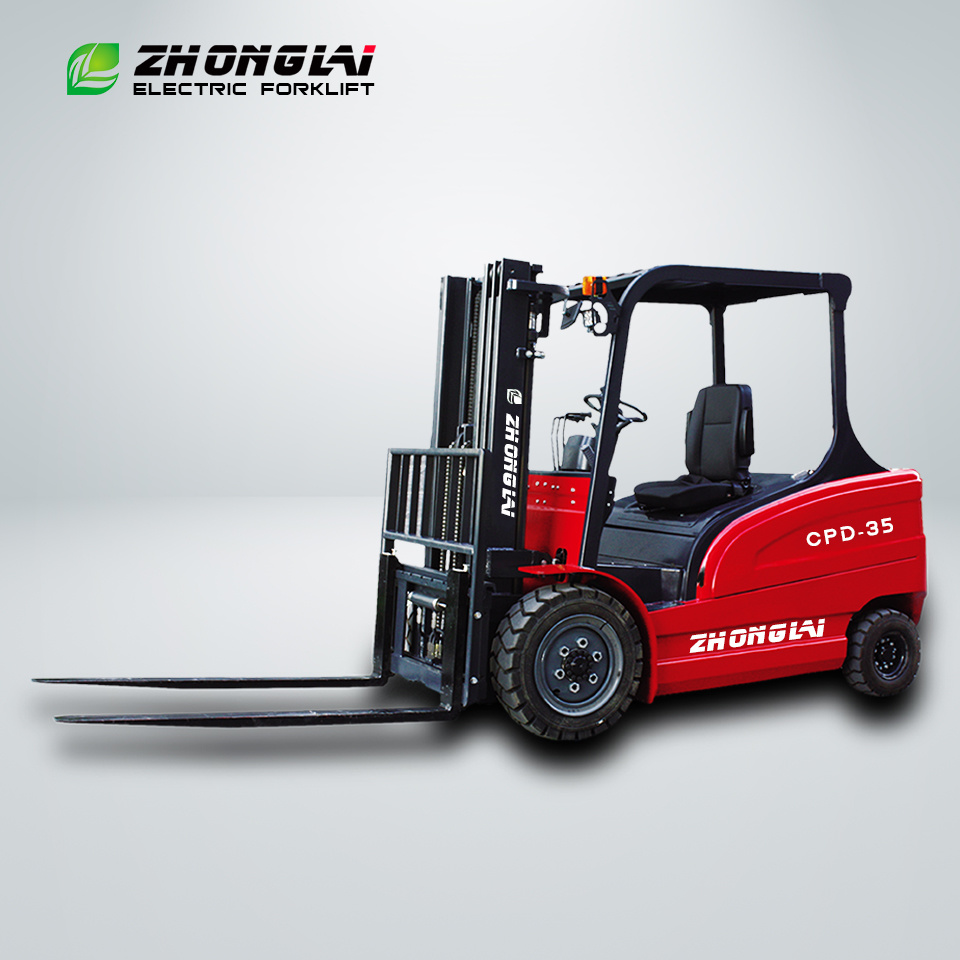
Portable electric forklifts have become increasingly popular in the transportation and warehousing sectors, providing an efficient and versatile solution for material handling needs. These forklifts are designed with mobility in mind, allowing operators to easily maneuver in tight spaces and transport goods across various environments, whether indoors or outdoors.
One of the primary advantages of portable electric forklifts is their compact design. Unlike traditional forklifts, which may require significant space for operation and storage, portable electric forklifts can navigate through narrow aisles and doorways with ease. This feature is particularly beneficial in warehouses with limited space, as it maximizes the usability of available areas without compromising on performance.
Additionally, electric portable forklifts contribute to a more sustainable work environment. They produce zero emissions, making them ideal for indoor operations where air quality is a concern. The electric motors are not only quieter than their gas or diesel counterparts but also reduce noise pollution, enabling a more pleasant working atmosphere for employees. This aspect aligns with modern practices focusing on sustainability and workplace comfort.
When considering a portable electric forklift, it is essential to examine its weight capacity and battery life. Most electric forklifts come with varying load capacities, allowing businesses to select models that suit their specific material handling requirements. Moreover, the battery's runtime directly affects operational efficiency; thus, understanding how long a forklift can run on a single charge is critical. Some models also feature quick charging capabilities, reducing downtime and enhancing productivity.
Safety is another crucial factor in the utilization of portable electric forklifts. These machines often come equipped with advanced safety features such as stability control, enhanced visibility, and automatic braking systems. Operators should also be trained in safe operating procedures to minimize the risk of accidents and injuries in the workplace. Implementing regular maintenance checks can further ensure the forklift remains in optimal working condition.
In conclusion, portable electric forklifts offer numerous advantages for businesses in the transport and warehousing industry. Their mobility, eco-friendliness, and safety features make them an invaluable asset for efficient material handling. By understanding the key aspects of these forklifts, companies can make informed decisions that enhance their operational capabilities while promoting a safer and more sustainable workplace.
One of the primary advantages of portable electric forklifts is their compact design. Unlike traditional forklifts, which may require significant space for operation and storage, portable electric forklifts can navigate through narrow aisles and doorways with ease. This feature is particularly beneficial in warehouses with limited space, as it maximizes the usability of available areas without compromising on performance.
Additionally, electric portable forklifts contribute to a more sustainable work environment. They produce zero emissions, making them ideal for indoor operations where air quality is a concern. The electric motors are not only quieter than their gas or diesel counterparts but also reduce noise pollution, enabling a more pleasant working atmosphere for employees. This aspect aligns with modern practices focusing on sustainability and workplace comfort.
When considering a portable electric forklift, it is essential to examine its weight capacity and battery life. Most electric forklifts come with varying load capacities, allowing businesses to select models that suit their specific material handling requirements. Moreover, the battery's runtime directly affects operational efficiency; thus, understanding how long a forklift can run on a single charge is critical. Some models also feature quick charging capabilities, reducing downtime and enhancing productivity.
Safety is another crucial factor in the utilization of portable electric forklifts. These machines often come equipped with advanced safety features such as stability control, enhanced visibility, and automatic braking systems. Operators should also be trained in safe operating procedures to minimize the risk of accidents and injuries in the workplace. Implementing regular maintenance checks can further ensure the forklift remains in optimal working condition.
In conclusion, portable electric forklifts offer numerous advantages for businesses in the transport and warehousing industry. Their mobility, eco-friendliness, and safety features make them an invaluable asset for efficient material handling. By understanding the key aspects of these forklifts, companies can make informed decisions that enhance their operational capabilities while promoting a safer and more sustainable workplace.
Contact Us

Professional forklift manufacturer
Products Hotline:+86-19203299111
WhatsApp:+8613582499666
Email:sales@good-forklift.com
Wechat:+86-19203299111
Mobile website