

Safety First: Essential Tips for Operating a 2 Ton Electric Forklift in Busy Warehouse Environments
Sep 28,2024
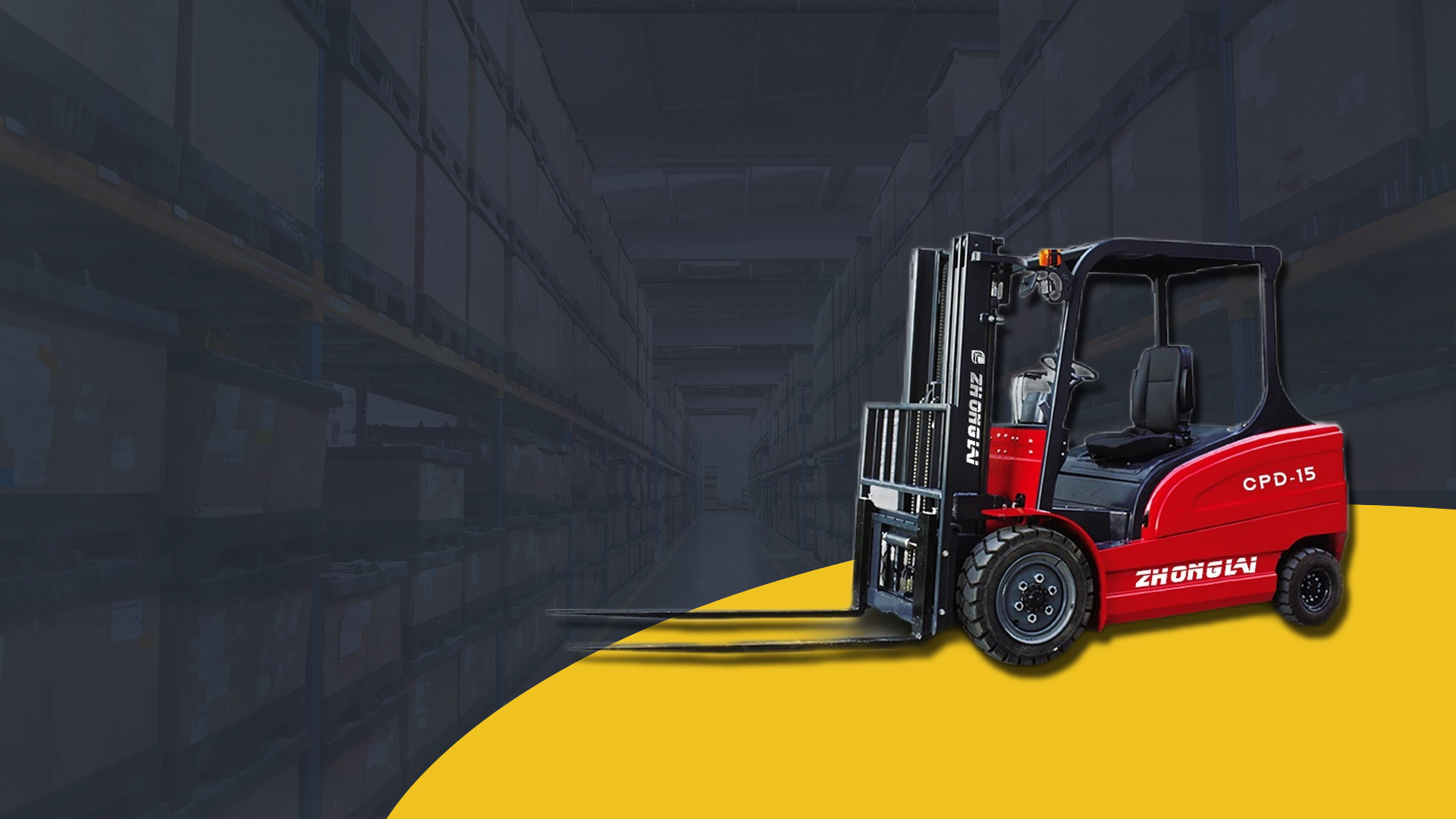
Safety First: Essential Tips for Operating a 2 Ton Electric Forklift in Busy Warehouse Environments
Table of Contents
- 1. Introduction
- 2. Understanding 2 Ton Electric Forklifts
- 3. The Importance of Safety in Busy Warehouse Environments
- 4. Pre-Operational Safety Checks
- 5. Essential Operating Tips for Electric Forklifts
- 6. Navigating Busy Warehouse Spaces Safely
- 7. Forklift Maintenance for Safety and Performance
- 8. Training and Certification Requirements
- 9. Conclusion
- 10. Frequently Asked Questions (FAQs)
1. Introduction
Operating a 2 ton electric forklift in a busy warehouse environment requires a keen understanding of safety protocols and operational best practices. Given the high volume of activity in these spaces, the potential for accidents increases significantly. We aim to provide you with essential tips and knowledge to ensure safety not only for the operator but also for fellow workers and the overall operational efficiency of the warehouse.
2. Understanding 2 Ton Electric Forklifts
Electric forklifts are increasingly popular in warehouse settings due to their low emissions, reduced noise levels, and efficiency. A 2 ton electric forklift is capable of lifting heavy loads while maintaining a compact footprint, making it ideal for warehouse operations. Before operating one, it is crucial to understand how these machines function, including their controls, power sources, and weight distribution.
Key Features of Electric Forklifts
Electric forklifts are equipped with several features that enhance their usability:
- **Maneuverability**: Their compact design allows for easy navigation in tight spaces.
- **Lower Operating Costs**: Compared to internal combustion forklifts, electric models often have lower fuel and maintenance costs.
- **Environmental Impact**: They are more environmentally friendly due to reduced emissions.
3. The Importance of Safety in Busy Warehouse Environments
Safety in warehouses cannot be overstated. The combination of heavy machinery, high stacks of goods, and a busy workforce creates a complex environment where risks are ever-present. Emphasizing safety not only protects employees but also enhances productivity.
Benefits of Prioritizing Safety
- **Reduced Accidents**: A robust safety culture minimizes the risks of accidents and injuries.
- **Increased Efficiency**: Safe operations lead to smoother workflows.
- **Employee Morale**: Workers feel safer and more valued in a secure environment.
4. Pre-Operational Safety Checks
Before operating a 2 ton electric forklift, conducting thorough pre-operational checks is essential. These checks ensure that the machine is in good working condition and ready for safe operation.
Essential Pre-Operational Checks Include:
- **Visual Inspection**: Check for visible damage to forks, mast, and chassis.
- **Fluid Levels**: Ensure oil, hydraulic fluid, and battery levels are adequate.
- **Battery Condition**: Inspect battery connections and look for signs of corrosion.
- **Operational Testing**: Test controls, lights, and alarms to confirm functionality.
5. Essential Operating Tips for Electric Forklifts
Implementing safe operating practices is crucial for maintaining safety in busy warehouse environments. Here are key tips to follow:
Safe Operation Practices
- **Follow Traffic Rules**: Obey established warehouse traffic patterns and signage.
- **Load Capacity Awareness**: Always be aware of the forklift’s load capacity and never exceed it.
- **Maintain Visibility**: Ensure the load does not obstruct your view. Use a spotter if necessary.
- **Use Seatbelts**: Always wear a seatbelt while operating the forklift.
Best Practices for Lifting and Moving Loads
- **Position the Forks Properly**: Ensure forks are level and positioned correctly under the load.
- **Lift Smoothly**: Engage the lift slowly to prevent tipping.
- **Secure Loads**: Use straps or other securing devices to stabilize loads before moving.
- **Lower Loads Safely**: Always lower the forks to the ground when not transporting loads.
6. Navigating Busy Warehouse Spaces Safely
Busy warehouses present unique challenges when operating a forklift. Being aware of your surroundings and operating with caution is vital.
Strategies for Safe Navigation
- **Slow Down**: Always reduce speed in crowded areas to allow for quick reactions.
- **Use Mirrors**: Utilize mirrors installed in the forklift to improve visibility.
- **Stay Alert**: Pay attention to foot traffic and communicate with pedestrians.
- **Avoid Blind Spots**: Be cautious at corners and intersections; use horn signals when necessary.
7. Forklift Maintenance for Safety and Performance
Regular maintenance of the forklift is paramount for ensuring its safe operation and longevity.
Key Maintenance Activities
- **Regular Inspections**: Schedule routine inspections to catch any potential issues early.
- **Battery Maintenance**: Keep the battery clean and charged, as well as following manufacturer guidelines.
- **Tire Checks**: Inspect tires for wear and ensure they are inflated to the recommended levels.
- **Lubrication**: Regularly lubricate moving parts to minimize wear and tear.
8. Training and Certification Requirements
Proper training and certification are vital for anyone operating a 2 ton electric forklift. Training programs help operators understand the specific safety protocols and operational techniques required.
Importance of Training
- **Knowledge of Equipment**: Training provides operators with in-depth knowledge about the forklift’s functions.
- **Emergency Procedures**: Operators learn how to handle emergencies effectively.
- **Regulatory Compliance**: Training ensures adherence to OSHA and other safety regulations.
Types of Training Programs
- **Operator Training**: In-depth training focused on safe operation and handling of the forklift.
- **Refresher Courses**: Periodic training to update skills and knowledge.
- **Safety Awareness Programs**: Initiatives aimed at raising awareness about workplace safety.
9. Conclusion
Operating a 2 ton electric forklift in busy warehouse environments necessitates a strong commitment to safety. By following essential operational tips, conducting thorough pre-operational checks, maintaining the vehicle, and ensuring proper training, we can create a safer workplace. Prioritizing safety not only protects employees but also boosts overall productivity and morale.
10. Frequently Asked Questions (FAQs)
1. What is the maximum load for a 2 ton electric forklift?
The maximum load capacity typically is 2,000 kg (or approximately 4,400 lbs), but it is essential to check the manufacturer's specifications for the specific model.
2. How often should electric forklifts be serviced?
Electric forklifts should be serviced regularly, ideally every six months, or as per the manufacturer’s recommendation, to ensure optimal performance.
3. Are there specific training requirements for operating electric forklifts?
Yes, operators must complete a training program that includes both theoretical knowledge and practical skills before they can operate electric forklifts legally.
4. Can electric forklifts be used outdoors?
Electric forklifts can be used outdoors, but it's crucial to ensure they are rated for outdoor use and to be aware of surface conditions.
5. What should I do in case of an accident?
In the event of an accident, stop the forklift immediately, ensure the area is safe, attend to any injured parties, and report the incident to the supervisor according to company protocols.
By leveraging these tips and maintaining a culture of safety, we contribute to a secure and efficient working environment in busy warehouse settings.
PREVIOUS:
Contact Us

Professional forklift manufacturer
Products Hotline:+86-19203299111
WhatsApp:+8613582499666
Email:sales@good-forklift.com
Wechat:+86-19203299111
Mobile website