

Sustainable Solutions: Embracing Electric Forklifts for Eco-Friendly Transport
Sep 14,2024
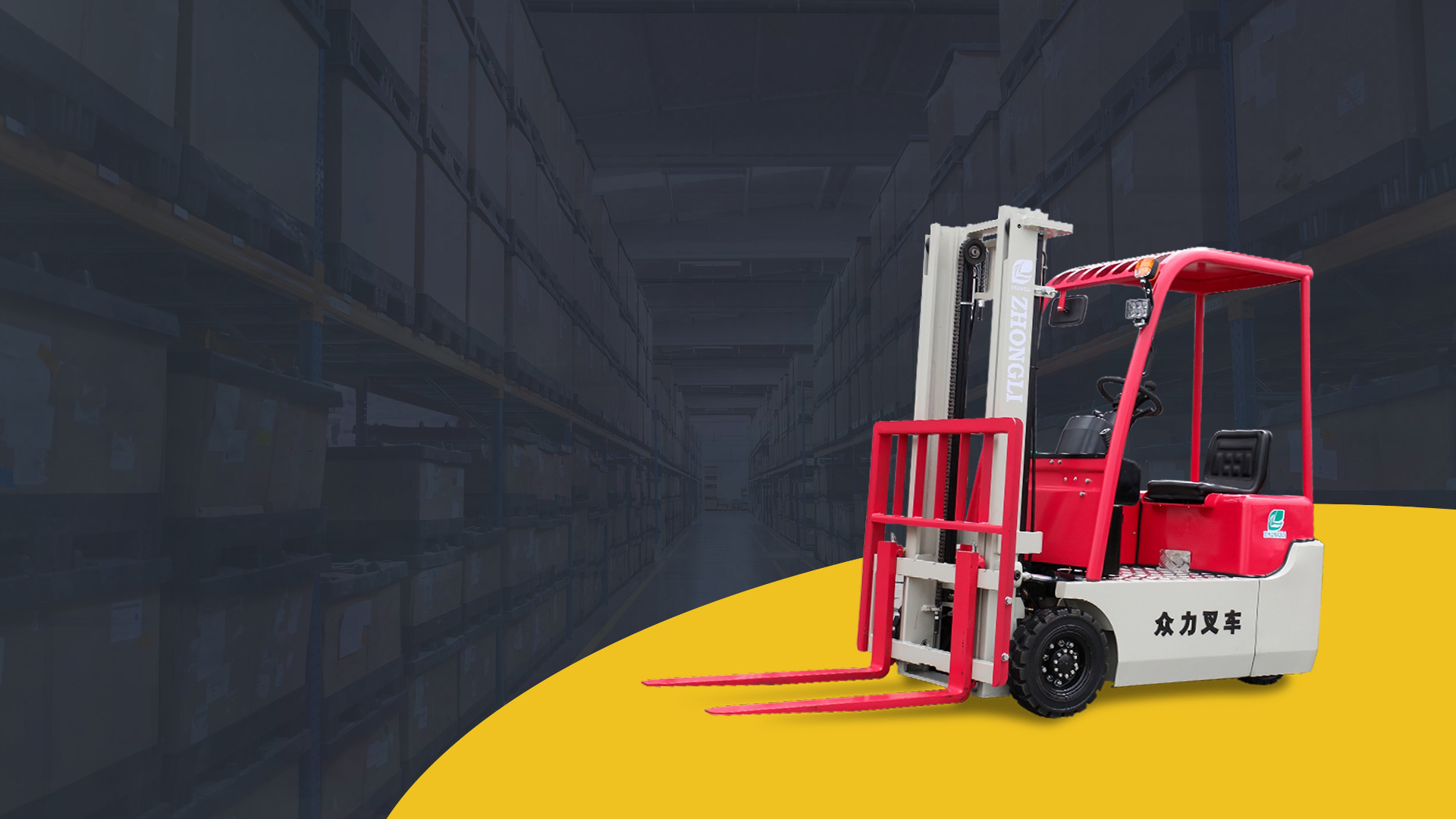
Sustainable Solutions: Embracing Electric Forklifts for Eco-Friendly Transport
Table of Contents
1. Introduction to Electric Forklifts and Sustainability
2. The Environmental Impact of Traditional Forklifts
3. Benefits of Electric Forklifts in Warehousing and Logistics
4. Key Features of Electric Forklift Technology
4.1 Battery Technology Advancements
4.2 Regenerative Braking Systems
5. Economic Advantages of Electric Forklifts
6. Implementing Electric Forklifts in Your Operations
6.1 Assessing Your Needs
6.2 Training and Transition Strategies
7. The Future of Electric Forklifts and Sustainable Transport
8. FAQs about Electric Forklifts
9. Conclusion: The Path Towards Sustainable Logistics
1. Introduction to Electric Forklifts and Sustainability
In the ever-evolving landscape of logistics and warehousing, **electric forklifts** are emerging as a pivotal solution for businesses striving to adopt **sustainable practices**. With the global push towards reducing greenhouse gas emissions, electric forklifts offer a compelling alternative to traditional gas or diesel-powered forklifts. This article delves into how electric forklifts contribute to **eco-friendly transport** solutions, their myriad benefits, and their vital role in fostering a sustainable future for the industry.
2. The Environmental Impact of Traditional Forklifts
Traditional forklifts often rely on fossil fuels, which contribute significantly to **air pollution** and **carbon emissions**. The combustion of gasoline and diesel not only releases harmful pollutants into the atmosphere but also poses health risks to warehouse workers. Additionally, the noise pollution generated by these machines can create an uncomfortable working environment. As businesses aim to comply with stricter environmental regulations and corporate social responsibility initiatives, shifting towards electric forklifts is becoming increasingly attractive.
3. Benefits of Electric Forklifts in Warehousing and Logistics
Electric forklifts present a wealth of benefits that extend beyond merely reducing emissions. Here, we outline the most significant advantages:
1. **Reduced Operating Costs**: Electric forklifts typically incur lower fuel and maintenance costs compared to their fuel-powered counterparts. The increased efficiency of electric motors translates to lower energy consumption.
2. **Improved Indoor Air Quality**: By eliminating exhaust emissions, electric forklifts enhance the air quality within warehouses, creating a safer and healthier environment for employees.
3. **Enhanced Safety Features**: Many electric forklifts come equipped with advanced safety systems, such as automatic braking and stability control, reducing the risk of accidents.
4. **Quieter Operation**: The reduced noise levels of electric forklifts contribute to a more pleasant working atmosphere, which can enhance worker productivity.
4. Key Features of Electric Forklift Technology
Electric forklift technology has advanced significantly in recent years. Here are some of the key features that make them a superior choice for modern warehousing and logistics operations.
4.1 Battery Technology Advancements
The evolution of **battery technology** has been a game-changer for electric forklifts. Lithium-ion batteries, for instance, offer higher energy density, faster charging times, and longer lifespans compared to traditional lead-acid batteries. These advancements enable forklifts to maintain productivity levels even during demanding operations.
4.2 Regenerative Braking Systems
Regenerative braking systems in electric forklifts capture energy that is typically lost during braking and redirect it back into the battery. This feature not only increases the efficiency of the forklift but also prolongs battery life, reducing the frequency and cost of replacements.
5. Economic Advantages of Electric Forklifts
The shift to electric forklifts is not only an environmentally responsible choice but also a financially savvy one. The lower operational costs, coupled with potential government incentives for adopting green technologies, can lead to substantial savings. Businesses can benefit from reduced energy bills, lower maintenance costs, and the potential for enhanced productivity from a more efficient fleet.
6. Implementing Electric Forklifts in Your Operations
Integrating electric forklifts into your existing operations requires careful planning and consideration. Here are essential steps to guide your transition:
6.1 Assessing Your Needs
Begin by evaluating your current fleet and operational requirements. Consider factors such as load capacity, working environment, and duty cycle to determine the most suitable electric forklift models for your needs.
6.2 Training and Transition Strategies
Employee training is crucial for the successful implementation of electric forklifts. Ensure that your team understands the unique features of electric forklifts, including battery management and safety protocols. A smooth transition plan will help mitigate disruptions during the shift from traditional to electric forklifts.
7. The Future of Electric Forklifts and Sustainable Transport
As technology continues to evolve, the future of electric forklifts appears promising. Innovations such as automated electric forklifts and advancements in **smart technology** integration will further enhance their efficiency and usability. The ongoing focus on sustainability within the logistics sector underscores the growing importance of electric forklifts as a cornerstone of eco-friendly transport solutions.
8. FAQs about Electric Forklifts
**Q1: How do electric forklifts compare to gas or diesel models in terms of performance?**
Electric forklifts perform comparably, if not better, than gas or diesel models in many applications. They provide instant torque, ensuring quick acceleration and smooth operation.
**Q2: What are the maintenance requirements for electric forklifts?**
Electric forklifts typically require less maintenance than traditional models, as they have fewer moving parts. Regular battery maintenance and inspections are essential.
**Q3: Are electric forklifts suitable for outdoor use?**
While some electric forklifts are designed for outdoor use, it's essential to check the manufacturer's specifications. Certain models may not be equipped for rugged outdoor conditions.
**Q4: What is the lifespan of an electric forklift battery?**
With proper care, lithium-ion batteries can last for several years, often exceeding the lifespan of traditional lead-acid batteries. Regular charging and maintenance are key to maximizing lifespan.
**Q5: Can electric forklifts handle heavy loads?**
Yes, electric forklifts come in various models with different load capacities, making them suitable for handling a range of materials, from light to heavy loads.
9. Conclusion: The Path Towards Sustainable Logistics
In conclusion, the adoption of electric forklifts is a vital step towards achieving sustainable logistics. By embracing this eco-friendly technology, businesses can reduce their carbon footprint while reaping significant economic benefits. As the industry moves towards greener alternatives, electric forklifts are set to play an integral role in transforming the landscape of transportation and warehousing. Investing in electric forklifts not only contributes to a cleaner environment but also positions companies at the forefront of innovation and efficiency in the logistics sector.
Contact Us

Professional forklift manufacturer
Products Hotline:+86-19203299111
WhatsApp:+8613582499666
Email:sales@good-forklift.com
Wechat:+86-19203299111
Mobile website