

Effortless Handling: How Electric Forklifts Are Transforming Material Handling in the Industry
Sep 08,2024
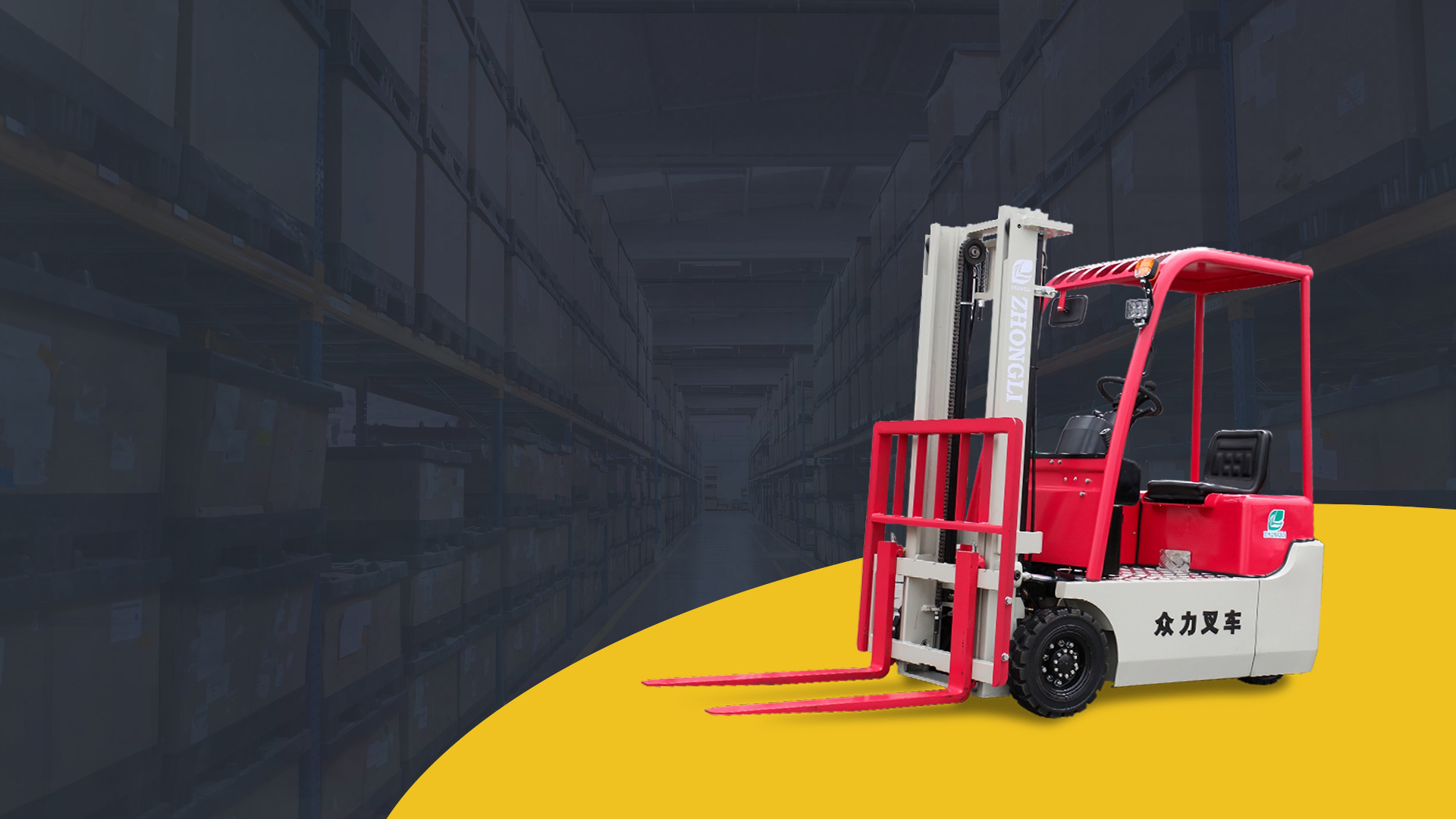
Effortless Handling: How Electric Forklifts Are Transforming Material Handling in the Industry
Table of Contents
- 1. Introduction to Electric Forklifts
- 2. Key Benefits of Electric Forklifts in Material Handling
- 3. The Environmental Impact of Electric Forklifts
- 4. Technological Advancements in Electric Forklift Design
- 5. Enhanced Safety Features of Electric Forklifts
- 6. Cost Efficiency of Electric Forklifts
- 7. Applications of Electric Forklifts in Various Industries
- 8. Future Trends in Electric Forklift Technology
- 9. FAQs about Electric Forklifts
- 10. Conclusion
1. Introduction to Electric Forklifts
Electric forklifts have become a cornerstone in the realm of material handling and logistics. Their growing popularity can be attributed to their ability to combine power with efficiency, making them an essential asset in warehouses and distribution centers. Unlike their internal combustion counterparts, electric forklifts offer numerous advantages, ranging from operational efficiency to lower environmental impact. As we delve deeper into this article, we will explore the myriad benefits, advancements, and applications of electric forklifts that make them the leading choice in the industry today.
2. Key Benefits of Electric Forklifts in Material Handling
Electric forklifts provide a range of benefits that enhance overall operational efficiency. Here are some key points to consider:
2.1 Reduced Operating Costs
Electric forklifts typically have lower operating costs compared to traditional gas-powered models. The cost of electricity is generally less than that of gasoline or diesel, and electric motors require less maintenance due to fewer moving parts.
2.2 Increased Efficiency and Productivity
These forklifts are known for their quick acceleration and responsiveness, which translates to faster operations in busy environments. Furthermore, electric forklifts can operate in tighter spaces, maximizing warehouse efficiency.
2.3 Quiet Operation
One of the standout features of electric forklifts is their quiet operation. This is particularly beneficial in indoor environments where noise reduction is essential for maintaining a productive atmosphere.
3. The Environmental Impact of Electric Forklifts
Electric forklifts are also leading the charge toward sustainability in the material handling industry. Their environmental advantages include:
3.1 Reduced Carbon Footprint
By utilizing electricity, electric forklifts emit no harmful exhaust emissions, significantly lowering the carbon footprint compared to gas-powered lift trucks.
3.2 Energy Efficiency
Modern electric forklifts are designed with energy efficiency in mind. Many models employ regenerative braking systems, which capture energy during operation and redirect it to recharge the battery.
4. Technological Advancements in Electric Forklift Design
Innovation continues to drive the evolution of electric forklifts. Key advancements include:
4.1 Advanced Battery Technology
Recent improvements in battery technology, such as lithium-ion and lead-acid batteries, have significantly enhanced the performance of electric forklifts. These batteries offer longer run times, reduced charging times, and greater overall efficiency.
4.2 Smart Technology Integration
Many electric forklifts now feature smart technology integration, including telematics systems that provide real-time data on vehicle performance, battery health, and maintenance needs. This enhances management capabilities and assists in preemptive maintenance planning.
5. Enhanced Safety Features of Electric Forklifts
Safety is paramount in any material handling environment, and electric forklifts are equipped with numerous features designed to protect operators and pedestrian workers alike.
5.1 Comprehensive Safety Systems
These forklifts often include features such as seat belts, overhead guards, and stability systems that minimize the risk of tipping. Advanced braking systems also provide operators with better control during operation.
5.2 Operator Training and Safety Programs
Manufacturers often provide enhanced training programs that emphasize safety and operational efficiency. This ensures that operators are well-prepared to handle electric forklifts safely and effectively.
6. Cost Efficiency of Electric Forklifts
Investing in electric forklifts can yield significant long-term savings for businesses. Here's how:
6.1 Lower Maintenance Costs
Electric forklifts typically require less maintenance than internal combustion engines due to their simpler design. Fewer moving parts mean reduced wear and tear, translating to lower maintenance costs.
6.2 Energy Savings
Electricity is often cheaper than fuel, and the energy efficiency of electric forklifts can lead to substantial savings over time. Additionally, many electric models qualify for incentives and rebates that further enhance their cost-effectiveness.
7. Applications of Electric Forklifts in Various Industries
Electric forklifts are versatile and can be found in numerous industries including:
7.1 Warehousing and Distribution
The speed and efficiency of electric forklifts make them ideal for warehousing and distribution centers, where quick load handling is essential.
7.2 Manufacturing
In manufacturing facilities, electric forklifts are commonly used to transport materials and finished goods to and from assembly lines.
7.3 Retail and Grocery
Retailers benefit from the maneuverability of electric forklifts, which allow for efficient material handling in cramped spaces, such as stock rooms and loading docks.
8. Future Trends in Electric Forklift Technology
The future of electric forklifts looks promising thanks to ongoing innovations and trends:
8.1 Autonomous Electric Forklifts
The rise of automation is paving the way for autonomous electric forklifts that can operate without human intervention. This technology promises to enhance efficiency and safety in warehouses significantly.
8.2 Sustainable Practices
As sustainability becomes a top priority for businesses, the demand for electric forklifts that utilize renewable energy sources will likely increase. Companies are exploring solar and wind energy options to power their fleets.
9. FAQs about Electric Forklifts
9.1 What is the lifespan of an electric forklift battery?
The lifespan of an electric forklift battery typically ranges from 5 to 7 years, depending on usage and maintenance practices.
9.2 Are electric forklifts suitable for outdoor use?
While electric forklifts are primarily designed for indoor use, some models have rugged features that allow for safe outdoor operation under specific conditions.
9.3 How often do electric forklifts need to be charged?
Charging frequency depends on the operational demands and battery capacity, but it is common to charge during breaks or shifts to maintain optimal performance.
9.4 Can electric forklifts be used in refrigerated environments?
Yes, many electric forklifts are designed to operate effectively in cold storage environments, with features that mitigate battery performance issues in low temperatures.
9.5 What are the training requirements for operating electric forklifts?
Operators must undergo training and certification to safely operate electric forklifts, which typically includes both theoretical and practical components.
10. Conclusion
Electric forklifts have undoubtedly transformed the material handling landscape, providing businesses with enhanced efficiency, cost savings, and environmental benefits. As technology continues to advance, we can expect to see even more innovations that will further solidify electric forklifts as the preferred choice in logistics and warehousing. By embracing the capabilities of electric forklifts, companies can not only streamline their operations but also contribute to a more sustainable future in the industry.
Contact Us

Professional forklift manufacturer
Products Hotline:+86-19203299111
WhatsApp:+8613582499666
Email:sales@good-forklift.com
Wechat:+86-19203299111
Mobile website