

How to Maximize Efficiency with a 2 Ton Electric Forklift for Material Handling
Sep 06,2024
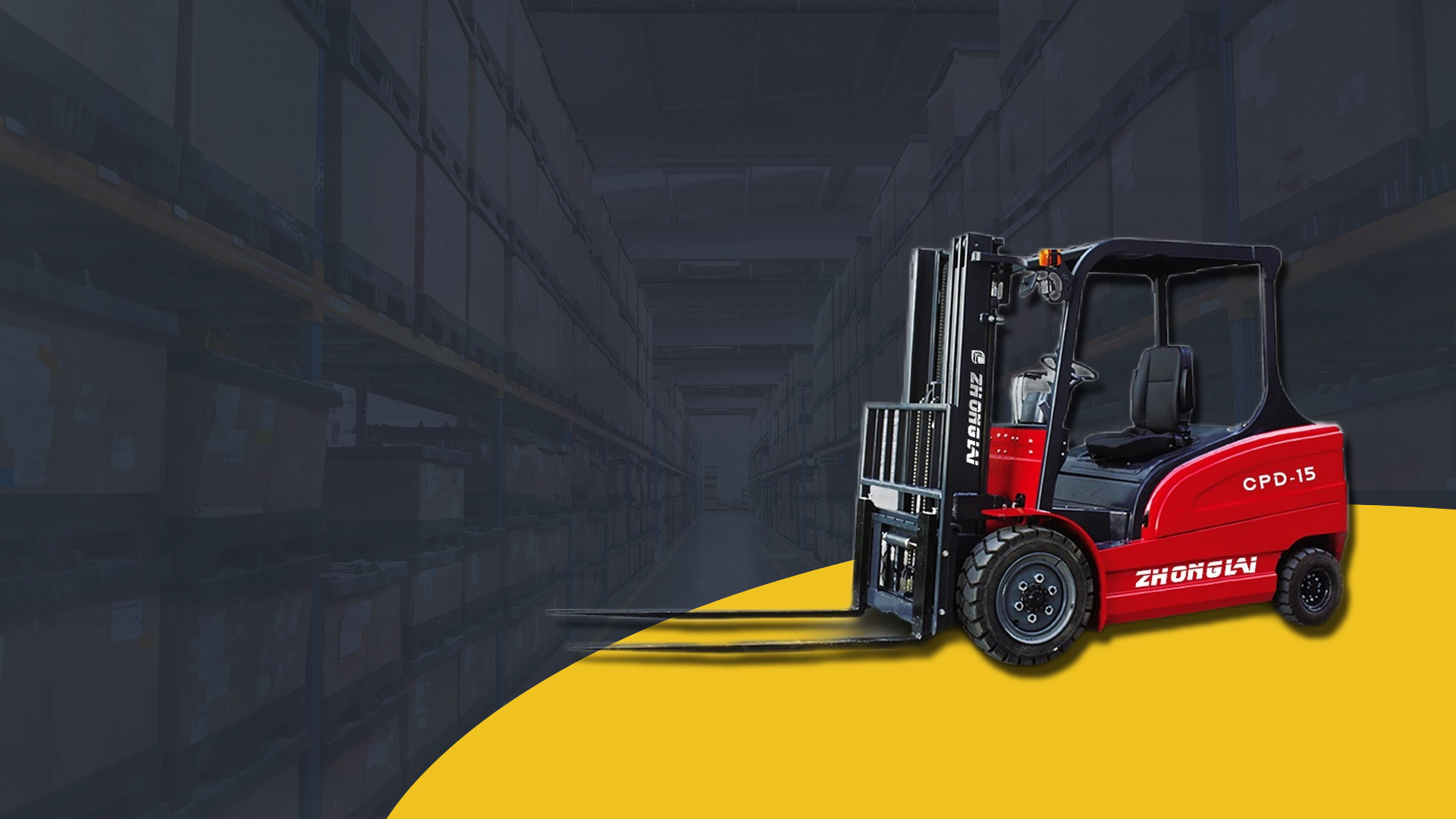
How to Maximize Efficiency with a 2 Ton Electric Forklift for Material Handling
Table of Contents
- 1. Introduction to Electric Forklifts
- 2. Benefits of Using a 2 Ton Electric Forklift
- 3. Tips for Maximizing Forklift Efficiency
- 4. Importance of Regular Maintenance
- 5. Safety Practices for Forklift Operation
- 6. Integrating Technology for Enhanced Efficiency
- 7. Training Operators for Optimal Performance
- 8. Conclusion
- 9. Frequently Asked Questions
1. Introduction to Electric Forklifts
Electric forklifts have transformed material handling in warehouses and logistics operations globally. The 2 ton electric forklift, in particular, offers a perfect balance of power and efficiency for various applications. These forklifts deliver high performance while remaining environmentally friendly and cost-effective, making them an ideal choice for businesses aiming to improve productivity.
2. Benefits of Using a 2 Ton Electric Forklift
When considering a 2 ton electric forklift, understanding its advantages is vital for making an informed decision. Here are some key benefits:
2.1 Enhanced Maneuverability
Electric forklifts are designed with compact dimensions, allowing them to navigate tight spaces with ease. This is especially beneficial in crowded warehouses where space is at a premium.
2.2 Reduced Operating Costs
Electric models are generally more economical to operate than their internal combustion counterparts. They require less maintenance and benefit from lower fuel costs, reducing overall expenditure.
2.3 Environmentally Friendly
With zero emissions, electric forklifts contribute to a cleaner work environment, aligning with modern sustainability goals. They also produce less noise, creating a more comfortable atmosphere for employees and nearby operations.
2.4 Improved Safety Features
Many electric forklifts come equipped with advanced safety features such as automatic braking systems and enhanced visibility, reducing the risk of accidents.
3. Tips for Maximizing Forklift Efficiency
To unlock the full potential of your 2 ton electric forklift, consider implementing the following strategies:
3.1 Optimize Load Management
Efficient load management is crucial for maximizing productivity. Ensure that loads are balanced and within the forklift's capacity to prevent tipping and ensure safe operation.
3.2 Implement a Scheduled Maintenance Routine
Regular maintenance is essential to keep your forklift running smoothly. A well-maintained forklift operates more efficiently, reducing downtime and extending its lifespan.
3.3 Use the Right Attachments
Choosing the right attachments for your forklift can enhance its functionality. Fork extensions, clamps, and other attachments can help handle a variety of loads efficiently.
3.4 Streamline Workflow Processes
Review your material handling processes to identify bottlenecks. Streamlining operations, such as optimizing pick routes and load placements, can significantly enhance efficiency.
3.5 Train Staff on Best Practices
Well-trained operators can make a significant difference in forklift efficiency. Invest in comprehensive training programs focusing on safe operating procedures, load handling, and maintenance checks.
4. Importance of Regular Maintenance
Regular maintenance of your 2 ton electric forklift cannot be overlooked. It plays a crucial role in ensuring optimal performance and longevity of the equipment.
4.1 Schedule Routine Inspections
Establish a routine inspection schedule to identify potential issues before they escalate. Regular checks on batteries, brakes, and hydraulic systems can prevent costly repairs and downtime.
4.2 Battery Maintenance
The battery is the heart of an electric forklift. Regularly check battery charge levels, clean terminals, and follow proper charging procedures to maximize battery life and efficiency.
4.3 Tire Health
Monitor tire wear and ensure that tires are properly inflated. Well-maintained tires improve traction and stability, contributing to overall efficiency during operations.
5. Safety Practices for Forklift Operation
Safety is paramount in material handling operations. Implementing robust safety practices can prevent accidents and ensure a secure working environment.
5.1 Conduct Pre-Operational Checks
Before operating the forklift, operators should perform a thorough pre-operational check. This includes inspecting the controls, brakes, lights, and other critical systems.
5.2 Use Proper Lifting Techniques
Operators should be trained in the proper techniques for lifting loads. This includes ensuring the load is secure, using the correct lifting height, and maintaining visibility while maneuvering.
5.3 Establish Clear Communication
Implement clear communication protocols among team members. Use hand signals or two-way radios to ensure that everyone is aware of the forklift’s movements, reducing the likelihood of accidents.
6. Integrating Technology for Enhanced Efficiency
Advancements in technology offer numerous tools to enhance the efficiency of 2 ton electric forklifts.
6.1 Fleet Management Software
Utilizing fleet management software can help monitor forklift performance, track maintenance schedules, and optimize usage, contributing to overall operational efficiency.
6.2 Telemetry and Tracking Systems
Implementing telemetry systems allows for real-time monitoring of forklift usage and performance. This data can be used to analyze efficiency and identify areas for improvement.
6.3 Automated Solutions
Consider integrating automated solutions such as autonomous forklifts in specific tasks. These technologies can help streamline operations and reduce manual labor costs.
7. Training Operators for Optimal Performance
Investing in operator training is crucial for maximizing the efficiency of your electric forklift.
7.1 Comprehensive Training Programs
Develop and implement comprehensive training programs that cover safe operating procedures, maintenance basics, and emergency protocols to ensure that operators are well-prepared.
7.2 Continuous Education
Encourage continuous education for all forklift operators. Regular refresher courses can help reinforce best practices and keep operators informed about new technologies or regulations.
8. Conclusion
Maximizing efficiency with a 2 ton electric forklift involves a multifaceted approach that encompasses proper training, regular maintenance, and the integration of technology. By implementing the strategies outlined in this article, businesses can enhance productivity, reduce operating costs, and maintain a safer working environment. Investing time and resources into these practices will undoubtedly lead to significant improvements in material handling operations.
9. Frequently Asked Questions
9.1 What is the average lifespan of a 2 ton electric forklift?
Typically, a well-maintained 2 ton electric forklift can last anywhere from 5 to 10 years, depending on usage and maintenance practices.
9.2 How often should I perform maintenance on my electric forklift?
It's advisable to conduct daily checks before use and schedule comprehensive maintenance every 3 to 6 months based on usage levels.
9.3 Can I use a 2 ton electric forklift outdoors?
Yes, but it is essential to ensure that the forklift is designed for outdoor use, as some models are specifically made for indoor applications.
9.4 How do I ensure the safety of my forklift operators?
Provide thorough training, enforce safety protocols, and conduct regular safety audits to ensure a safe working environment for forklift operators.
9.5 What are the signs that my electric forklift needs maintenance?
Common signs include unusual noises, decreased lifting capacity, erratic movements, and warning lights on the control panel.
By following these guidelines and maintaining a proactive approach to operations, businesses can fully leverage the benefits of a 2 ton electric forklift, ensuring maximum efficiency in their material handling processes.
Contact Us

Professional forklift manufacturer
Products Hotline:+86-19203299111
WhatsApp:+8613582499666
Email:sales@good-forklift.com
Wechat:+86-19203299111
Mobile website