

Maximize Efficiency: Unlocking the Benefits of Using a Walkie Rider Pallet Jack for Streamlined Operations
Aug 15,2024
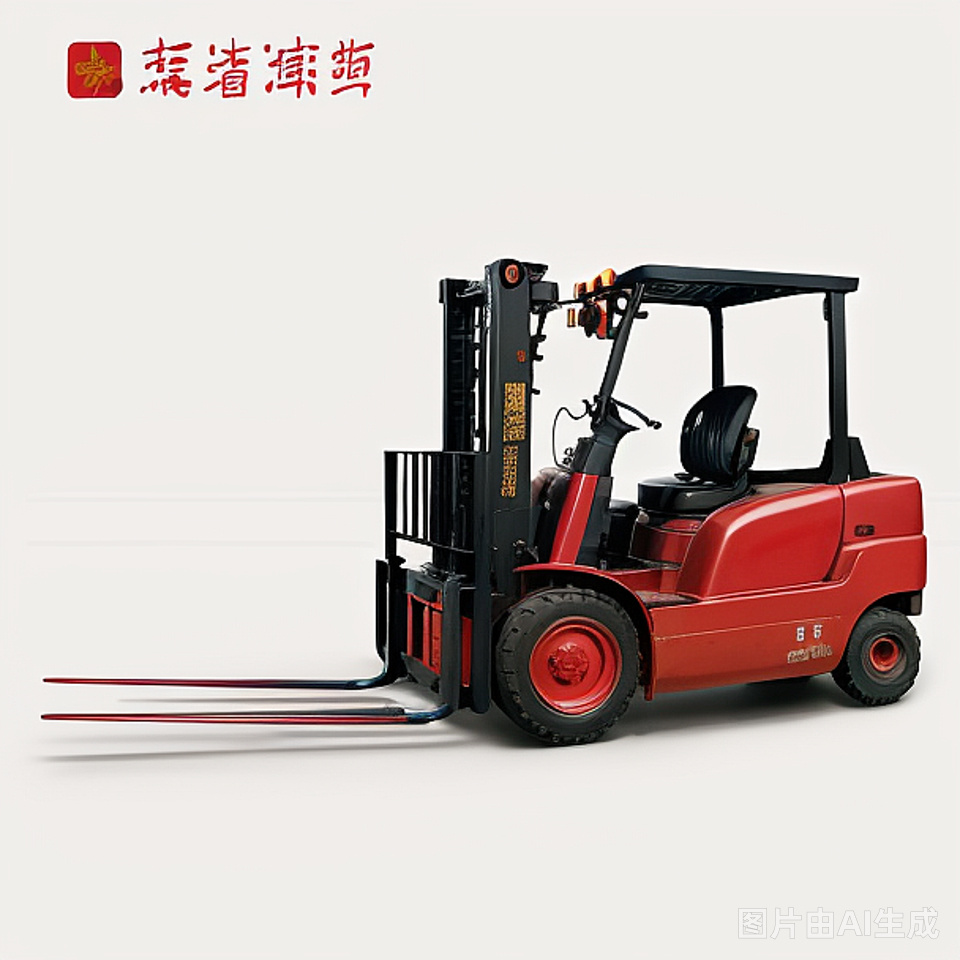
Maximize Efficiency: Unlocking the Benefits of Using a Walkie Rider Pallet Jack for Streamlined Operations
Table of Contents
- 1. Introduction to Walkie Rider Pallet Jacks
- 2. What is a Walkie Rider Pallet Jack?
- 3. Key Benefits of Using a Walkie Rider Pallet Jack
- 3.1 Increased Productivity
- 3.2 Enhanced Safety Features
- 3.3 Space Efficiency
- 3.4 Operator Comfort and Ergonomics
- 4. How to Choose the Right Walkie Rider Pallet Jack
- 5. Maintenance Tips for Walkie Rider Pallet Jacks
- 6. Real-World Examples of Efficiency Gains
- 7. Common Misconceptions About Walkie Rider Pallet Jacks
- 8. FAQs
- 9. Conclusion
1. Introduction to Walkie Rider Pallet Jacks
In the fast-paced world of logistics and warehousing, **maximizing efficiency** is key to maintaining a competitive edge. One of the most effective tools in achieving this goal is the **Walkie Rider Pallet Jack**. This versatile piece of equipment has transformed how goods are transported within warehouses, loading docks, and retail environments. By understanding the benefits and functionalities of Walkie Rider Pallet Jacks, businesses can make informed decisions that lead to improved operations.
2. What is a Walkie Rider Pallet Jack?
A Walkie Rider Pallet Jack is a type of powered pallet truck designed for transporting heavy loads across short distances. It combines the features of a traditional manual pallet jack with those of a ride-on forklift, allowing operators to stand on the platform while moving goods. This hybrid functionality **streamlines material handling**, making it easier and safer for workers to move pallets in various environments.
Understanding the Components
A typical Walkie Rider Pallet Jack consists of several key components:
- **Platform**: A flat surface where the operator stands while steering.
- **Forks**: The two prongs that slide under the pallet for lifting.
- **Control System**: Typically includes a handle with buttons to control movement and speed.
- **Power Source**: Most models are powered by electric batteries, providing ample power for lifting and moving loads.
- **Safety Features**: Such as emergency brakes, lights, and horns to ensure safe operation.
3. Key Benefits of Using a Walkie Rider Pallet Jack
Utilizing a Walkie Rider Pallet Jack offers numerous advantages that enhance warehouse productivity and efficiency. Below, we explore some of the primary benefits.
3.1 Increased Productivity
One of the most significant advantages of using a Walkie Rider Pallet Jack is the **boost in productivity** it provides. Operators can transport heavier loads over longer distances quickly, significantly reducing the time spent on manual handling tasks. This increased efficiency translates to faster turnaround times and improved overall workflow.
3.2 Enhanced Safety Features
Safety is paramount in any warehouse operation. Walkie Rider Pallet Jacks come equipped with various safety features designed to protect both the operator and the goods being transported. These features often include:
- **Emergency Stop Buttons**: Instantly halting the machine if necessary.
- **Anti-Slip Surfaces**: Ensuring the operator remains secure while in motion.
- **Visibility Enhancements**: Such as lights and reflective materials that make the operator more visible to others in the warehouse.
The combination of these safety measures helps reduce the risk of accidents, injuries, and damage to goods.
3.3 Space Efficiency
In many warehouses, space is a premium commodity. Walkie Rider Pallet Jacks are designed to be **compact and maneuverable**, making them ideal for tight spaces and narrow aisles. Their ability to navigate these environments allows businesses to maximize storage capacity, which can lead to significant cost savings over time.
3.4 Operator Comfort and Ergonomics
The ergonomic design of Walkie Rider Pallet Jacks ensures operator comfort. By allowing workers to stand during operation rather than walk behind a manual pallet jack, these machines reduce fatigue and strain. Comfortable operators are more productive and less prone to accidents, contributing to a safer work environment.
4. How to Choose the Right Walkie Rider Pallet Jack
When selecting a Walkie Rider Pallet Jack, several factors must be taken into account to ensure it meets your operational needs effectively.
Load Capacity
Evaluate the maximum load capacity required for your operations. Walkie Rider Pallet Jacks typically range in capacity from 3,000 to 8,000 pounds, so choose one that can handle your heaviest loads comfortably.
Power Options
Consider the power source. Most Walkie Rider Pallet Jacks are electric, but it's essential to gauge battery life and charging time to ensure they fit seamlessly into your workflow.
Maneuverability
Assess the size and turning radius of the pallet jack. A more compact model will provide better maneuverability in narrow spaces.
Durability
Look for construction materials that provide durability, especially if the equipment will see frequent use in rough environments.
Service and Support
Investigate the warranty and service options available with the pallet jack. A good service plan can minimize downtime and maintenance costs.
5. Maintenance Tips for Walkie Rider Pallet Jacks
Proper maintenance is essential to extend the lifespan and performance of your Walkie Rider Pallet Jack. Here are some essential maintenance tips:
Routine Inspections
Conduct regular inspections to check for wear and tear, including forks, wheels, and electrical components.
Battery Care
Ensure batteries are charged correctly and cleaned of any corrosion that can affect performance.
Lubrication
Keep moving parts lubricated to reduce wear and improve operational efficiency.
Operator Training
Train operators on proper usage and safety guidelines to prevent misuse and accidents.
6. Real-World Examples of Efficiency Gains
Many businesses have reported substantial efficiency gains after integrating Walkie Rider Pallet Jacks into their operations.
Case Study: Retail Warehouse
In a busy retail warehouse, the adoption of Walkie Rider Pallet Jacks resulted in a 30% increase in productivity. Employees could move pallets quickly across the facility, leading to faster inventory turnover.
Case Study: Manufacturing Facility
A manufacturing facility experienced a notable decrease in workplace injuries after switching to Walkie Rider Pallet Jacks. The enhanced safety features reduced strain on employees, leading to a 60% drop in safety incidents.
7. Common Misconceptions About Walkie Rider Pallet Jacks
Despite their advantages, several misconceptions about Walkie Rider Pallet Jacks persist.
Misconception 1: Only Suitable for Large Warehouses
Many believe Walkie Rider Pallet Jacks are only useful in large spaces. However, their compact design makes them ideal for tight aisles and limited spaces.
Misconception 2: Difficult to Operate
Some think that operating a Walkie Rider Pallet Jack is complex. In reality, they are designed for ease of use, and with proper training, most employees can operate them efficiently.
Misconception 3: High Maintenance Costs
While any equipment requires maintenance, Walkie Rider Pallet Jacks are often low-maintenance compared to other material handling equipment, particularly if routine checks are performed.
8. FAQs
Q1: What is the typical lifespan of a Walkie Rider Pallet Jack?
A1: With proper maintenance, a Walkie Rider Pallet Jack can last anywhere from 10 to 15 years.
Q2: Can Walkie Rider Pallet Jacks be used on ramps?
A2: Yes, but operators should exercise caution and ensure they are operating within the machine's specifications to prevent accidents.
Q3: How do I know if my operator is trained adequately?
A3: Operators should be able to demonstrate proper handling techniques and understand safety protocols before operating the equipment.
Q4: Are Walkie Rider Pallet Jacks suitable for outdoor use?
A4: While they are primarily designed for indoor use, some models can handle light outdoor conditions, but it’s best to check manufacturer guidelines.
Q5: What safety gear is recommended while operating a Walkie Rider Pallet Jack?
A5: Operators should wear safety shoes, gloves, and, in some cases, high-visibility vests to enhance safety.
9. Conclusion
Incorporating a Walkie Rider Pallet Jack into your material handling processes can significantly enhance efficiency, safety, and productivity. Understanding its benefits, choosing the right model, and maintaining it properly are critical steps to reaping the rewards of this powerful equipment. As businesses strive to optimize operations, the Walkie Rider Pallet Jack stands out as a vital asset in the **transportation and logistics industry**, paving the way for smoother and more efficient workflows. Embrace this technology to unlock your full operational potential.
Contact Us

Professional forklift manufacturer
Products Hotline:+86-19203299111
WhatsApp:+8613582499666
Email:sales@good-forklift.com
Wechat:+86-19203299111
Mobile website