

Enhancing Productivity: In-Depth Insights into Electric 3-Ton Forklift Performance
Aug 09,2024
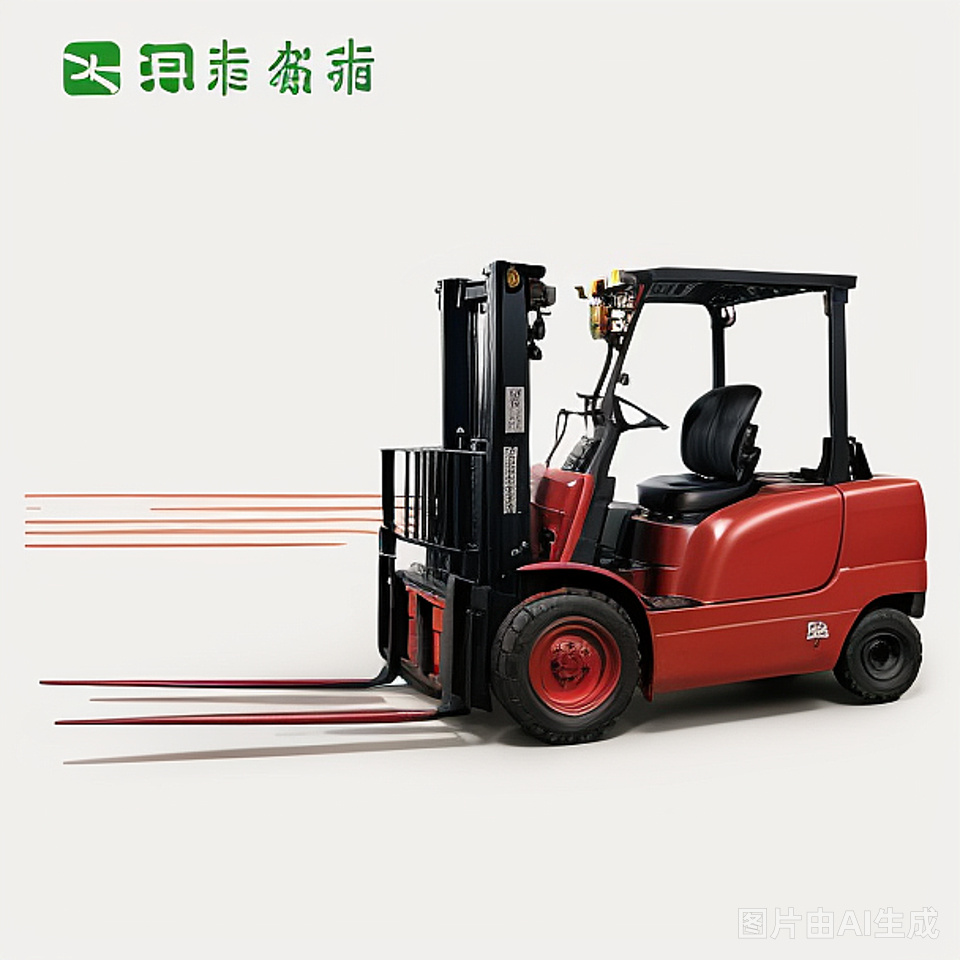
Enhancing Productivity: In-Depth Insights into Electric 3-Ton Forklift Performance
Table of Contents
- 1. Introduction to Electric 3-Ton Forklifts
- 2. Understanding Electric Forklift Performance Metrics
- 3. Advantages of Electric 3-Ton Forklifts in Logistics
- 4. Key Performance Factors Influencing Electric Forklift Efficiency
- 5. Essential Maintenance Practices for Optimal Performance
- 6. Technological Advancements in Electric Forklift Performance
- 7. Real-World Case Studies: Forklift Performance Improvement
- 8. Frequently Asked Questions (FAQs)
- 9. Conclusion: Enhancing Productivity with Electric 3-Ton Forklifts
1. Introduction to Electric 3-Ton Forklifts
In the fast-paced world of logistics and warehouse management, **electric 3-ton forklifts** have emerged as indispensable tools for enhancing productivity. These machines are particularly well-suited for operations that require efficient material handling in confined spaces. With their combination of power, maneuverability, and eco-friendliness, electric forklifts are not only improving operational efficiencies but also contributing to sustainable practices in various industries.
2. Understanding Electric Forklift Performance Metrics
Performance metrics for electric 3-ton forklifts are critical for evaluating their efficiency. Key performance indicators (KPIs) include lifting capacity, speed, battery life, and maneuverability. Each of these factors plays a significant role in the operational effectiveness of these machines.
Lifting Capacity
The lifting capacity of a 3-ton electric forklift is one of its most vital specifications. This capacity determines how much weight the forklift can safely lift and transport within the warehouse. Understanding the limits of your forklift is essential to avoid accidents and ensure compliance with safety standards.
Speed and Efficiency
Electric forklifts are designed for quick operation without sacrificing safety. The average travel speed can greatly impact productivity, especially in busy environments. Operations that require frequent loading and unloading will benefit significantly from understanding the speed capabilities of their equipment.
Battery Life and Charging Times
Battery performance directly impacts operational efficiency. A forklift that can run longer between charges will reduce downtime, which is crucial in high-volume settings. Understanding the optimal charging practices can extend battery life and improve overall forklift performance.
3. Advantages of Electric 3-Ton Forklifts in Logistics
Electric forklifts offer numerous advantages over their internal combustion counterparts, making them a popular choice in modern logistics.
Lower Operating Costs
Electric forklifts typically have lower operating costs due to reduced fuel expenses and minimal maintenance requirements. Businesses can save significantly over time by switching to electric models.
Enhanced Safety Features
Many electric forklifts come equipped with advanced safety features such as automatic braking systems and enhanced stability controls. These features help mitigate accidents and protect both operators and goods.
Environmental Impact
With growing concerns about environmental sustainability, electric forklifts provide a cleaner alternative by producing zero emissions during operation. This is especially beneficial for indoor operations where air quality is a concern.
4. Key Performance Factors Influencing Electric Forklift Efficiency
Several factors influence the overall efficiency of electric 3-ton forklifts, which can enhance productivity in the workplace.
Operator Training
Proper training is essential for maximizing forklift performance. Well-trained operators are better equipped to handle the machinery efficiently, operate within safety guidelines, and reduce the risk of accidents.
Load Management
Understanding load limits and proper load distribution can enhance the performance of electric forklifts. Incorrect loading can lead to accidents and decreased efficiency, emphasizing the need for proper load management practices.
Terrain and Workspace Layout
The layout of the workspace and the condition of the terrain can significantly affect electric forklift performance. Smooth surfaces and strategic layouts facilitate better maneuverability and faster operation.
5. Essential Maintenance Practices for Optimal Performance
Regular maintenance is crucial for ensuring electric forklifts operate at peak performance.
Scheduled Inspections
Implementing scheduled inspections helps identify potential issues before they escalate. Regular checks on battery health, hydraulic systems, and tires can prevent unexpected breakdowns.
Battery Maintenance
Battery care is vital for the longevity and performance of electric forklifts. Operators should regularly check water levels, clean terminals, and follow charging best practices to prolong battery life.
General Upkeep
Maintaining the general condition of the forklift, including cleaning, lubrication, and parts replacement, can significantly impact efficiency. A well-maintained forklift not only operates better but also has a longer service life.
6. Technological Advancements in Electric Forklift Performance
The forklift industry is seeing rapid advancements in technology that are enhancing the performance of electric models.
Battery Technology Innovations
Recent developments in battery technology have led to longer-lasting and faster-charging batteries. Lithium-ion batteries, for example, offer more energy density, reducing downtime associated with charging.
Smart Technology Integration
The integration of smart technology, such as GPS and IoT capabilities, has revolutionized forklift operations. These technologies provide real-time data on performance metrics, allowing for better decision-making and efficiency improvements.
Automated Forklift Systems
Automated electric forklifts are becoming increasingly common in warehouses. These systems can operate with minimal human intervention, allowing for continuous operations that significantly boost productivity.
7. Real-World Case Studies: Forklift Performance Improvement
Examining real-world applications of electric 3-ton forklifts can provide valuable insights into performance enhancement strategies.
Case Study 1: Warehouse Efficiency Boost
A leading logistics company implemented a fleet of electric 3-ton forklifts and reported a 30% increase in efficiency. By focusing on operator training and maintenance practices, the company was able to maximize the productivity of its fleet.
Case Study 2: Reducing Operational Costs
Another company transitioned from internal combustion forklifts to electric models, resulting in significant reductions in fuel and maintenance costs. They leveraged new battery technologies and smart management systems to track performance and optimize operations.
8. Frequently Asked Questions (FAQs)
What is the lifting capacity of a 3-ton electric forklift?
The lifting capacity of a 3-ton electric forklift is typically around 6,000 pounds, making it ideal for handling heavy materials in warehouse settings.
How long does a fully charged electric forklift battery last?
A fully charged electric forklift battery can last anywhere from 4 to 8 hours, depending on the workload and usage conditions.
Are electric forklifts suitable for outdoor use?
While electric forklifts are primarily designed for indoor use, many models can operate outdoors on flat surfaces. However, rough terrain may not be suitable for electric models.
What maintenance is required for electric forklifts?
Electric forklifts require regular inspections, battery maintenance, and general upkeep to ensure optimal performance. It includes checking battery fluid levels, cleaning terminals, and lubricating moving parts.
How can I improve the efficiency of my electric forklift operations?
Improving efficiency can be achieved through operator training, regular maintenance, proper load management, and utilizing the latest technology advancements.
9. Conclusion: Enhancing Productivity with Electric 3-Ton Forklifts
Electric 3-ton forklifts represent a significant leap forward in material handling technology, offering businesses numerous advantages such as lower operating costs, enhanced safety, and a reduced environmental footprint. By understanding performance metrics, implementing best maintenance practices, and embracing technological advancements, companies can significantly enhance the productivity of their operations. As industries continue to evolve, leveraging these insights will be key to achieving operational excellence and staying competitive in the logistics and warehousing landscape.
Contact Us

Professional forklift manufacturer
Products Hotline:+86-19203299111
WhatsApp:+8613582499666
Email:sales@good-forklift.com
Wechat:+86-19203299111
Mobile website