

Enhancing Safety and Performance with Portable Electric Forklifts
Aug 01,2024
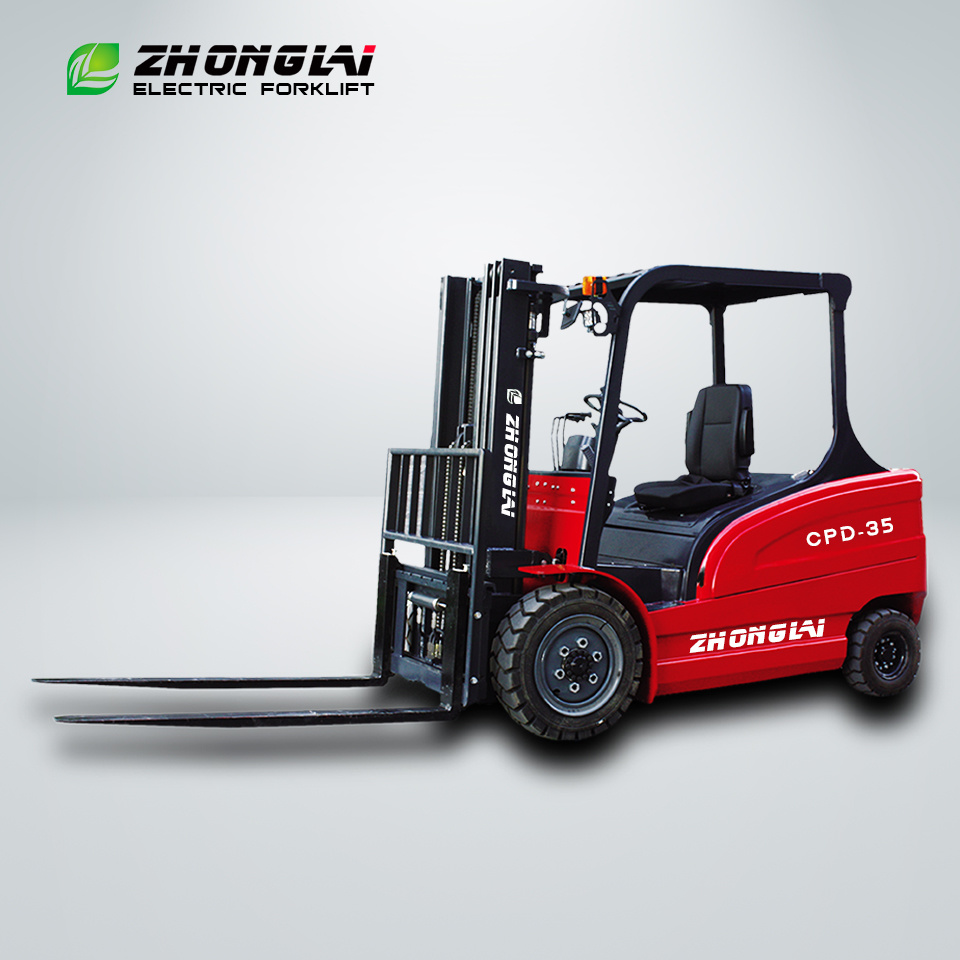
Enhancing Safety and Performance with Portable Electric Forklifts
In today's fast-paced logistics and warehousing environments, the need for efficient, safe, and reliable equipment is paramount. Among the various options available, portable electric forklifts have emerged as a popular choice for businesses striving to enhance safety and performance. This article delves into the advantages of portable electric forklifts, their features, and how they can significantly improve your operations.
Table of Contents
- 1. Introduction to Portable Electric Forklifts
- 2. Key Benefits of Portable Electric Forklifts
- 3. Safety Features of Portable Electric Forklifts
- 4. Performance Enhancements with Electric Forklifts
- 5. Environmental Impact of Portable Electric Forklifts
- 6. Best Practices for Using Portable Electric Forklifts
- 7. Maintenance Tips for Electric Forklifts
- 8. Frequently Asked Questions
- 9. Conclusion
1. Introduction to Portable Electric Forklifts
Portable electric forklifts are compact, versatile machines designed to move materials efficiently in various industrial settings, including warehouses, distribution centers, and manufacturing facilities. Unlike traditional forklifts, portable electric variants operate on electricity, eliminating the need for fuel and reducing emissions. These forklifts are engineered for mobility, allowing them to navigate tight spaces and handle various loads, providing an optimal solution for businesses aiming for operational efficiency.
2. Key Benefits of Portable Electric Forklifts
2.1 Improved Maneuverability
One of the standout advantages of portable electric forklifts is their enhanced maneuverability. Their compact design allows operators to navigate through narrow aisles and crowded spaces efficiently. This capability not only speeds up material handling but also reduces the risk of accidents that often occur in congested environments.
2.2 Reduced Operational Costs
Switching to electric forklifts can lead to significant savings in operational costs. With lower energy expenses compared to fuel-powered models and reduced maintenance requirements, businesses can allocate resources more effectively. Furthermore, the longevity of electric forklifts means fewer replacements over time.
2.3 Lower Noise Levels
Portable electric forklifts operate quietly compared to their combustion counterparts. This feature is particularly beneficial in environments where noise reduction is essential, such as in retail spaces and hospitals, contributing to a more pleasant working atmosphere for employees and customers alike.
3. Safety Features of Portable Electric Forklifts
3.1 Advanced Stability Systems
Safety is a top priority in industrial operations, and portable electric forklifts come equipped with advanced stability systems. These systems help prevent tipping incidents by monitoring the load and the forklift's position, ensuring operators can work confidently even with heavy loads.
3.2 Enhanced Visibility
Many portable electric forklifts feature improved visibility options, such as overhead guards and clear sightlines. Enhanced visibility reduces blind spots, allowing operators to navigate and maneuver safely, thus minimizing the risk of accidents.
3.3 Operator Training and Safety Features
To further enhance safety, many manufacturers offer comprehensive training programs for operators. Additionally, safety features such as automatic brake systems and speed limiters are integrated to ensure that operators maintain control of the forklift at all times.
4. Performance Enhancements with Electric Forklifts
4.1 Quick Charging Technology
Modern portable electric forklifts are designed with rapid charging capabilities that can significantly reduce downtime. Quick charging technology allows operators to recharge their forklifts during breaks or shift changes, ensuring that the machines are always ready for operation.
4.2 Smart Technology Integration
Many portable electric forklifts now come equipped with smart technology, including telematics systems that monitor performance metrics. These systems can track usage patterns, battery health, and maintenance needs, enabling businesses to make informed decisions about operations and maintenance schedules.
5. Environmental Impact of Portable Electric Forklifts
The transition to portable electric forklifts aligns with sustainability goals by significantly reducing carbon emissions compared to diesel or gasoline-powered models. These forklifts produce zero emissions during operation, contributing to cleaner air quality and a lower environmental footprint.
6. Best Practices for Using Portable Electric Forklifts
6.1 Regular Training and Certification
To ensure safe operation, it’s crucial to provide regular training and certification for all forklift operators. Understanding the specific features and capabilities of portable electric forklifts can enhance efficiency and safety.
6.2 Conducting Pre-Operation Checks
Before commencing operations, operators should conduct pre-operation checks to identify any potential issues. Regular inspections can prevent accidents and costly repairs, ensuring that the equipment is always in optimal working condition.
6.3 Load Management
Proper load management is essential for safe operation. Operators must be trained to understand the forklift’s load limits and how to distribute weight evenly to maintain stability while lifting and transporting goods.
7. Maintenance Tips for Electric Forklifts
7.1 Regular Battery Maintenance
The battery is the heart of any electric forklift. Regular maintenance, including checking the electrolyte levels and ensuring proper charging practices, can extend the battery's lifespan and performance.
7.2 Scheduled Inspections
Implementing a routine inspection schedule for portable electric forklifts ensures that all components are functioning correctly and that any wear and tear are addressed promptly. This proactive approach can prevent unexpected breakdowns and enhance the overall safety of the operation.
8. Frequently Asked Questions
8.1 What are the key advantages of portable electric forklifts over traditional forklifts?
Portable electric forklifts offer improved maneuverability, reduced operational costs, and lower noise levels, making them an excellent choice for various industrial settings.
8.2 How can I ensure the safety of operators when using electric forklifts?
Regular training, implementing safety features, and conducting pre-operation checks are essential to ensuring the safety of operators while using electric forklifts.
8.3 What maintenance practices should I follow for portable electric forklifts?
Regular battery maintenance, scheduled inspections, and keeping the forklift clean are vital practices to maintain the longevity and performance of portable electric forklifts.
8.4 Are electric forklifts suitable for outdoor use?
While electric forklifts are primarily designed for indoor use, certain models are equipped for outdoor operations. It is essential to check the specifications and capabilities of the specific forklift model.
8.5 What is the typical lifespan of a portable electric forklift?
The lifespan of a portable electric forklift can vary based on usage, maintenance, and environmental conditions; however, with proper care, they can last anywhere from 5 to 10 years.
9. Conclusion
Portable electric forklifts represent a significant step forward in enhancing safety and performance in industrial operations. By offering improved maneuverability, reduced costs, and extensive safety features, these machines are ideal for modern warehousing and logistics environments. Their environmental benefits further align with the growing emphasis on sustainability in today’s business practices. By investing in portable electric forklifts and adhering to best practices, businesses can ensure a safer, more efficient, and environmentally friendly operation.
Contact Us

Professional forklift manufacturer
Products Hotline:+86-19203299111
WhatsApp:+8613582499666
Email:sales@good-forklift.com
Wechat:+86-19203299111
Mobile website