

Exploring the Benefits of Mini Electric Forklifts in Streamlining Material Handling
Jul 28,2024
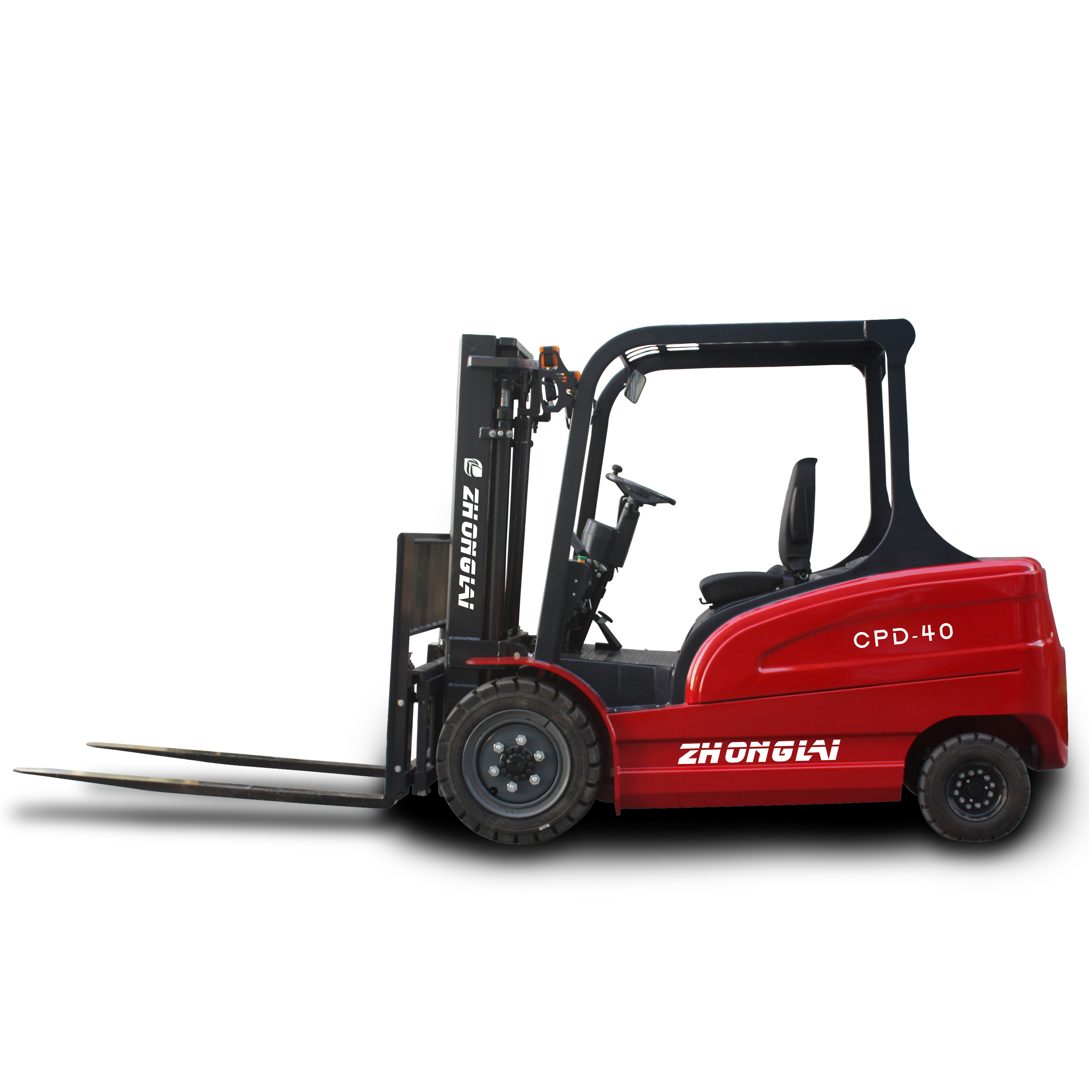
Advantages of Mini Electric Forklifts in Material Handling
In the fast-paced world of material handling, efficiency and safety are paramount. **Mini electric forklifts** have emerged as a crucial tool for businesses seeking to enhance their material handling processes. This article delves into the multifaceted advantages of mini electric forklifts, exploring their unique features and their impact on various industries.
Table of Contents
- 1. Introduction to Mini Electric Forklifts
- 2. Key Advantages of Mini Electric Forklifts
- 2.1 Enhanced Efficiency in Operations
- 2.2 Cost-Effectiveness and ROI
- 2.3 Improved Safety Features
- 2.4 Space Efficiency and Maneuverability
- 2.5 Eco-Friendly Benefits
- 2.6 Low Maintenance Requirements
- 3. Ideal Uses of Mini Electric Forklifts
- 4. Key Features of Mini Electric Forklifts
- 5. Best Practices for Implementing Mini Electric Forklifts
- 6. Frequently Asked Questions
- 7. Conclusion
1. Introduction to Mini Electric Forklifts
**Mini electric forklifts** are compact lifting machines designed to handle a variety of material handling tasks in tight spaces. They are powered by electric batteries, making them quieter and more energy-efficient than their diesel or gas counterparts. These forklifts are particularly beneficial in environments where noise, emissions, and maneuverability are significant concerns, such as warehouses, retail spaces, and manufacturing facilities.
2. Key Advantages of Mini Electric Forklifts
Mini electric forklifts are gaining popularity due to their numerous advantages over traditional forklifts. Let’s explore these benefits in detail.
2.1 Enhanced Efficiency in Operations
One of the most notable advantages of **mini electric forklifts** is their enhanced operational efficiency. Their design allows for quick lifting and transportation of goods, significantly reducing the time required for tasks such as loading and unloading. The ability to turn and maneuver easily in tight spaces enables operators to complete jobs faster than with standard-sized forklifts.
2.2 Cost-Effectiveness and ROI
Investing in mini electric forklifts can lead to substantial cost savings. Firstly, their electric power source leads to lower fuel costs compared to diesel or propane forklifts. Furthermore, these forklifts require less maintenance due to fewer moving parts and no need for fuel-related service checks. Over time, the operational savings can translate into a solid return on investment (ROI).
2.3 Improved Safety Features
Safety is a critical concern in material handling operations. Mini electric forklifts are equipped with advanced safety features, such as automatic braking systems, load management sensors, and improved visibility. These features help prevent accidents and ensure that operators can perform their tasks safely. Moreover, the reduced size of the forklift minimizes the risk of collisions in tight spaces, enhancing overall workplace safety.
2.4 Space Efficiency and Maneuverability
The compact design of mini electric forklifts makes them ideal for operations in confined spaces. They can navigate narrow aisles and crowded environments with ease, allowing businesses to optimize their warehouse layouts. This space efficiency can lead to better inventory management and increased storage capacity.
2.5 Eco-Friendly Benefits
In today's environmentally conscious world, minimizing the carbon footprint is essential. Mini electric forklifts operate on electricity, which can be generated from renewable resources. They produce zero emissions during operation, contributing to cleaner indoor air quality and reducing the environmental impact of material handling operations. This eco-friendly aspect is increasingly appealing to businesses looking to enhance their sustainability practices.
2.6 Low Maintenance Requirements
Mini electric forklifts generally have lower maintenance requirements compared to traditional forklifts. Their electric motors require less frequent servicing, and the absence of an internal combustion engine eliminates the need for oil changes and fuel filter replacements. This simplicity not only saves time but also reduces overall maintenance costs.
3. Ideal Uses of Mini Electric Forklifts
Mini electric forklifts are versatile machines suitable for various applications across multiple industries. Some ideal uses include:
- **Warehousing:** Efficiently move goods in and out of storage areas.
- **Retail:** Help with stock replenishment and inventory management.
- **Manufacturing:** Streamline the transport of materials between production lines.
- **Construction Sites:** Transport lightweight materials in confined spaces.
- **Food and Beverage:** Maintain strict hygiene standards while moving products.
4. Key Features of Mini Electric Forklifts
Understanding the features of mini electric forklifts is crucial for making an informed choice. Here are some key features to consider:
- **Compact Design:** Allows for operation in confined spaces.
- **Electric Power Source:** Reduces operational costs and environmental impact.
- **Advanced Safety Systems:** Enhance operator and workplace safety.
- **High Lifting Capacity:** Despite their size, they can lift substantial loads.
- **User-Friendly Controls:** Simplify operation for all skill levels.
5. Best Practices for Implementing Mini Electric Forklifts
To maximize the benefits of mini electric forklifts, businesses should consider the following best practices:
- **Conduct Thorough Training:** Ensure operators are well-trained in safety protocols and operational procedures.
- **Regular Maintenance Checks:** Schedule routine inspections to keep the equipment in optimal condition.
- **Optimize Warehouse Layout:** Design aisles and storage locations to facilitate the efficient use of mini electric forklifts.
- **Monitor Battery Health:** Regularly check battery performance and charge schedules to avoid downtime.
- **Evaluate Load Limits:** Properly assess loads to ensure safe operation within the forklift’s capabilities.
6. Frequently Asked Questions
1. What is the lifting capacity of mini electric forklifts?
The lifting capacity of mini electric forklifts generally ranges from 1,500 to 3,000 pounds, depending on the model and manufacturer.
2. Are mini electric forklifts suitable for outdoor use?
Mini electric forklifts are primarily designed for indoor use. However, some models are equipped for outdoor operation. Always check the manufacturer's specifications.
3. How long does the battery last on a mini electric forklift?
Battery life can vary based on usage, but most mini electric forklifts can operate for 6 to 8 hours on a single charge, depending on the load and working conditions.
4. Do mini electric forklifts require special charging stations?
Yes, mini electric forklifts typically require dedicated charging stations that meet their specific power needs.
5. What maintenance is needed for mini electric forklifts?
Routine maintenance includes checking battery health, inspecting tires, and ensuring all safety features are functioning properly. Regular maintenance helps extend the life of the forklift.
7. Conclusion
Mini electric forklifts offer a myriad of advantages that can significantly enhance material handling operations. Their efficiency, cost-effectiveness, safety features, and environmental benefits make them an ideal choice for businesses looking to streamline their processes. By understanding the key features and best practices associated with these forklifts, companies can effectively integrate them into their operations, ensuring improved productivity and safety in the workplace. Investing in mini electric forklifts is not just a smart decision but a strategic move toward a more efficient and sustainable future in material handling.
Contact Us

Professional forklift manufacturer
Products Hotline:+86-19203299111
WhatsApp:+8613582499666
Email:sales@good-forklift.com
Wechat:+86-19203299111
Mobile website